





An unfinished basement containing a metal furnace with ductwork, exposed wooden joists on the ceiling, cardboard boxes, a coiled cable, and a single hanging incandescent bulb.

Furnace Installation in Syracuse, NY

Tell us about the job

Takes about a minute. No obligation.

New system or replacementFurnace or heatingOnondaga County, NY
Step 1 of 2

What ZIP code is the job in?

Eight months of heat a year is a long season for any furnace to carry. October through May, the burner and blower are doing real work here, not sitting idle most of the year like they would further south. That matters when you're picking a new system. A furnace sized for a milder climate will run longer and harder than it was built for, and the parts inside it wear down faster for it. Get the sizing right for this place, not for an average, and don't let the lowest price on the quote be the deciding factor.

8 months
October through May, your furnace is on duty
18°F
the average winter night it heats against
70%
of homes here heat with gas, so most furnaces here burn gas
80% AFUE
the federal minimum any new unit must meet
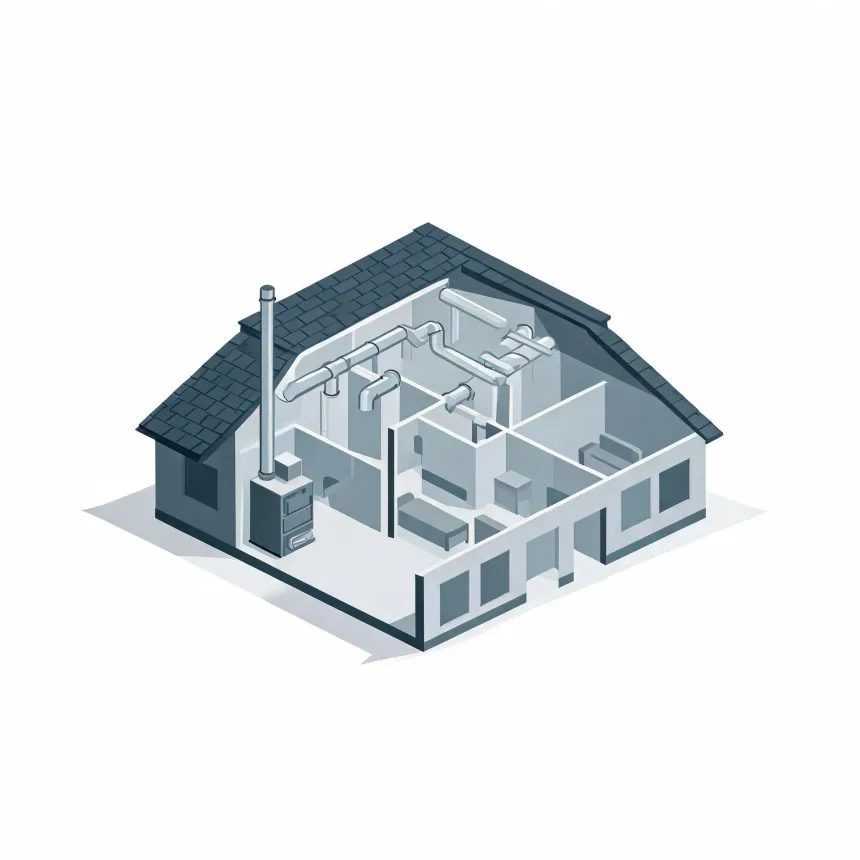
Isometric grayscale illustration of a cutaway house showing interior rooms, ceiling ductwork, a flue pipe, and a furnace unit on the left side.
Your furnace works hardest from November through March.

NOAA nClimDiv, 1991–2020 normals

Half the houses in Onondaga County were built in 1964 or earlier.

A furnace going into a house that old has to match the ducts and venting already there, not a generic spec sheet.

Most Syracuse homes already run on gas, which is why matching it makes sense

69.5% of homes heat with gas
Climate zone 5A
Heat runs October through May
Gas Costs More Here Than It Used ToNew York homes paid $16.03 per million Btu for natural gas in 2024, and an efficient furnace is what keeps that bill in check.

Onondaga County falls under zone 5A, a cool, humid climate where heating carries most of the load. Every furnace sold here has to meet that standard, not a national average. Units built from November 2015 on have to turn at least 80 percent of their gas into heat over the season. That floor goes up to 95 percent for anything manufactured from December 2028 on. A furnace bought now has years ahead of it before that line even applies, but it tells you the direction things are moving. Picking a system that already clears the higher bar means one less thing to think about down the road.

Size It For Your House, Not The Box It Came In

Whoever installs your furnace needs to see your ducts and venting before they size anything. A load calculation for your actual house tells you what size fits, not what a spec sheet assumes. Get that right now and the install matches the house you have.

Find a contractor
A gray high-efficiency gas furnace installed in an unfinished basement, surrounded by gas lines, a condensate drain, and sheet-metal ductwork.

Put It In Before October Asks For It

Heat starts in October here and runs through May. September is what's left before that. A furnace that goes in during September is sized, vented and tested before it has to carry a single cold night. One that waits until the first freeze gets put in under pressure, on whatever day it finally quits, with whoever's available to do it. Same job, different circumstances.

The Old Furnace Doesn't Come Back On

A furnace that gets replaced gets disconnected, not left as a backup. The gas line to it is capped. The vent connector comes down with it. There's no version of this where the old unit sits in the basement as a spare, because once the new one is piped and vented, the old one has nowhere to send its exhaust.

Hauling It Out Is Part Of The Job

Whoever installs the new furnace takes the old cabinet apart to get it out the door, since most won't fit through whole. That includes draining any condensate lines running to it and disconnecting the ductwork boot by boot. A straightforward swap in an easy spot to reach takes less time than one wedged into a crawlspace or a tight mechanical closet.

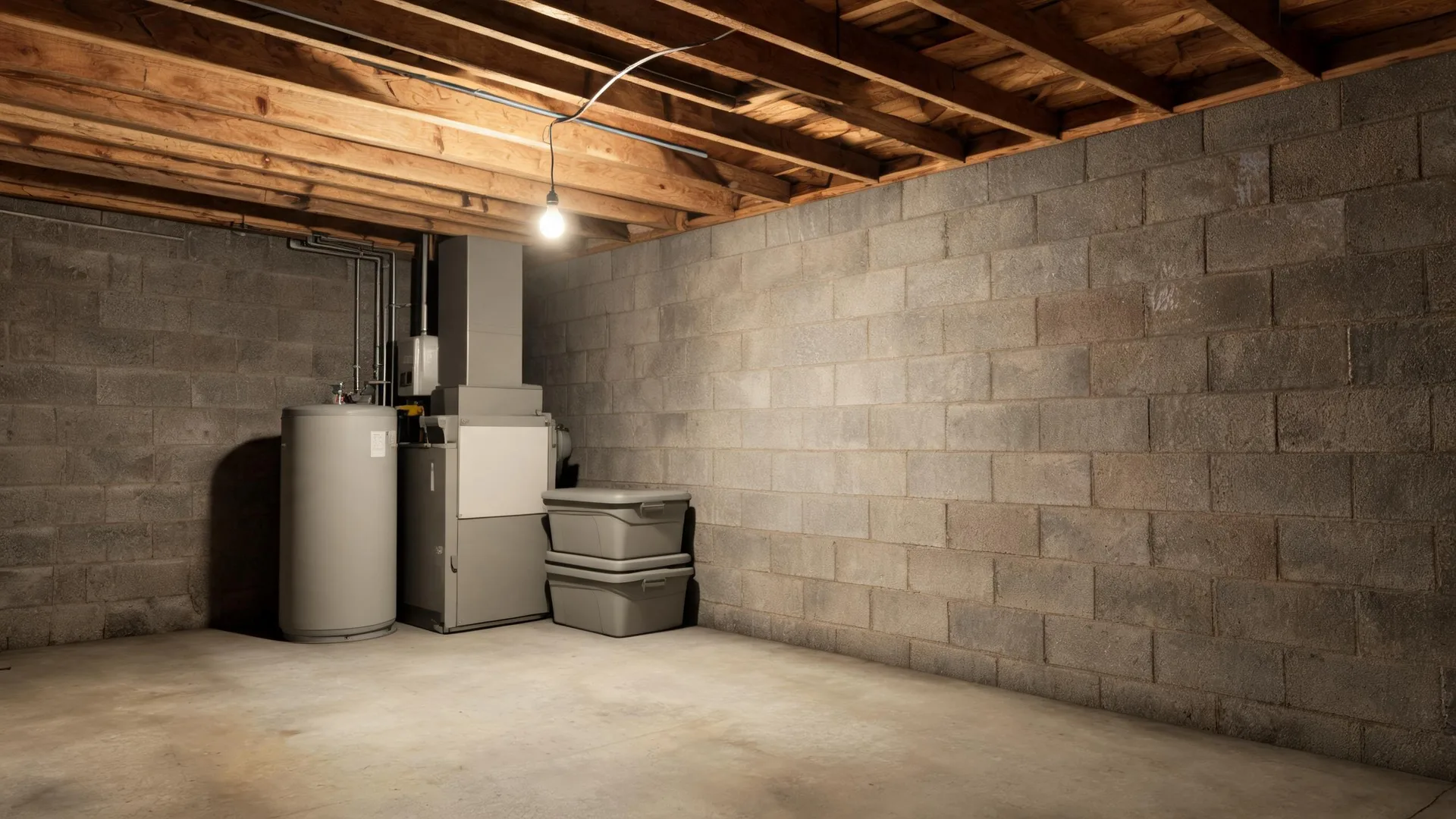
A gas furnace with sheet-metal ductwork and PVC pipes installed in an unfinished basement.

A high-efficiency gas furnace would save about $150 a year to run in Onondaga County compared with a gas furnace.

  • A high-efficiency gas furnace$740 a year
  • A gas furnace$890 a year

Estimates for a typical Onondaga County home, from EIA household energy data, New York fuel prices and NOAA climate normals. Your home will differ.

Installation day starts before anyone touches the old furnace. The ducts, the gas line and the vent all get checked against what the new unit needs, since the furnace doesn't get set until that's settled. Disconnecting the old one comes first: gas off, power off, ductwork pulled boot by boot. Once it's out, the new furnace goes in on its pad or stand, gets leveled, and gets connected to the gas line, the vent and the ductwork in that order. Each joint on the vent gets sealed, and the gas line gets pressure tested before any burner lights. Then it runs. A tech checks the flame, checks the temperature rise through the plenum, and confirms the blower is moving the right amount of air. Nothing gets called finished until it's run through a full cycle and shut off clean.