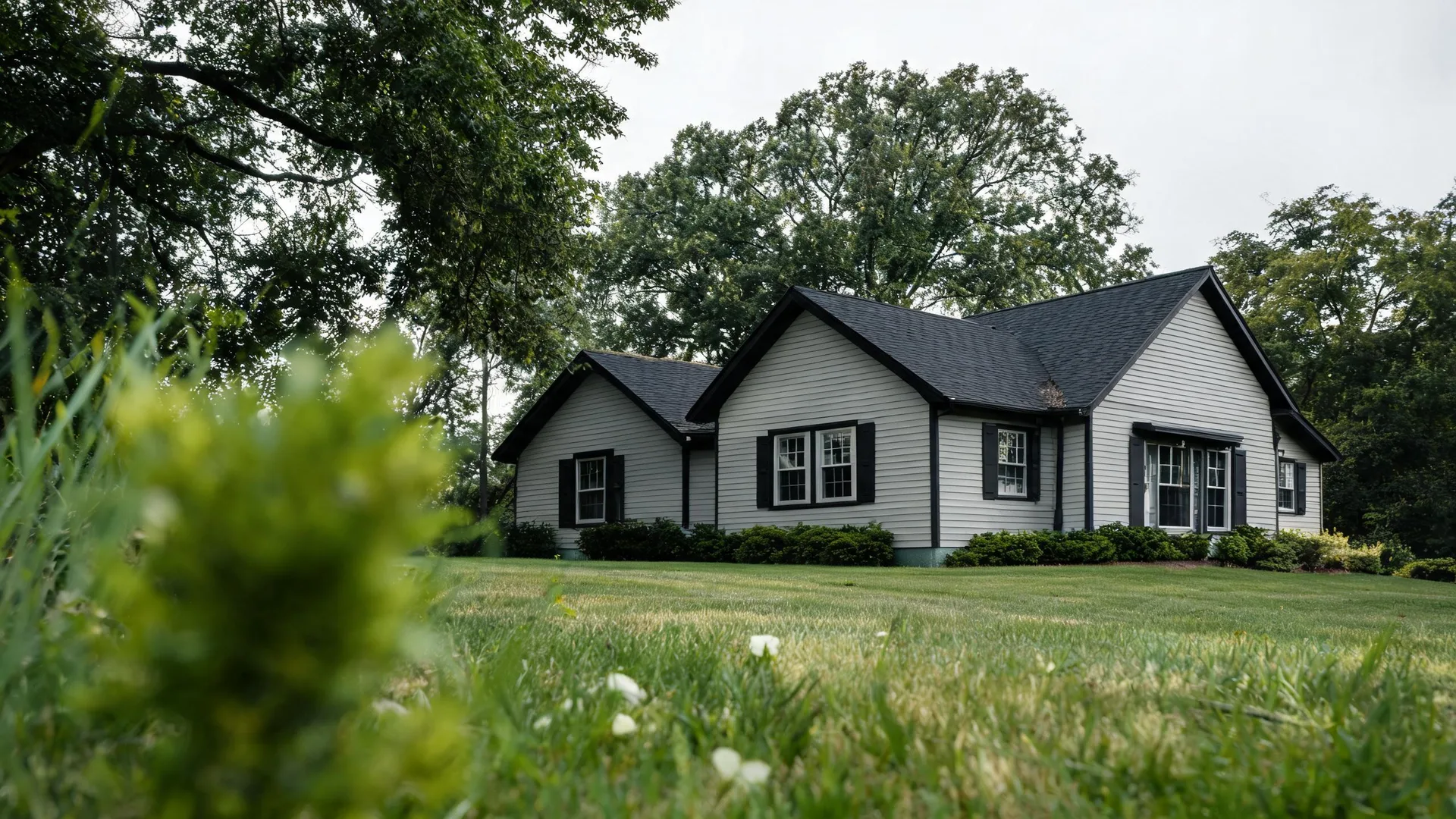





A single-story white house with dark gray shingled roof and black window shutters, set behind a mown lawn with blurred green foliage in the foreground and large deciduous trees behind.

Furnace Installation in Rochester, NY

Tell us about the job

Takes about a minute. No obligation.

New system or replacementFurnace or heatingMonroe County, NY
Step 1 of 2

What ZIP code is the job in?

Gas here costs $16.03 per million Btu, among the higher rates homes pay for it. A new furnace's efficiency rating matters more in Rochester than it would somewhere gas is cheap. Two furnaces burning the same amount of gas over a winter can land far apart in what actually heats your house, with the rest going out the flue. That gap costs you something every month gas prices stay where they are. Ask what AFUE rating a replacement carries before you decide between models.

8 months
October through May, your furnace is on duty
20°F
the average winter night it heats against
75%
of homes here heat with gas, so most furnaces here burn gas
80% AFUE
the federal minimum any new unit must meet
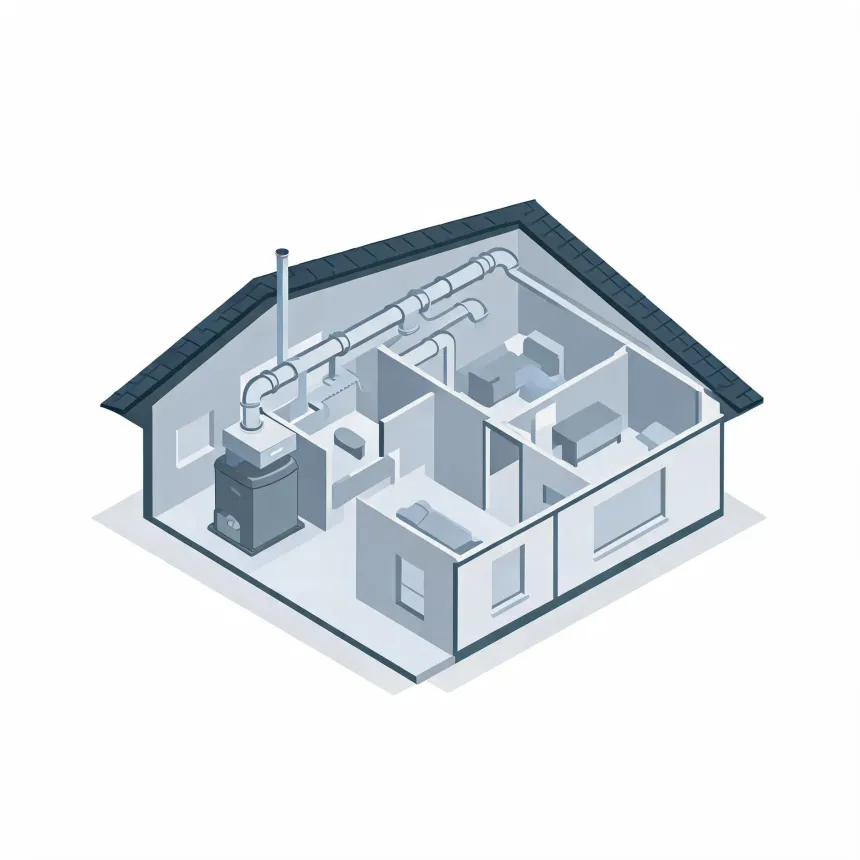
Isometric cutaway illustration of a single-story house showing interior rooms, ductwork running along the ceiling, a flue pipe through the roof, and a dark furnace unit in one corner.
Your furnace works hardest from November through March.

NOAA nClimDiv, 1991–2020 normals

Furnaces here start running in October.

Replace yours in September and the job happens on your schedule, not in an emergency call.

Most of Rochester already heats with gas, so a gas furnace is the straightforward replacement

74.6% of homes heat with gas
Climate zone 5A
Heat runs October through May
Half these homes were built in 1965 or earlierHalf the homes in Monroe County were built in 1965 or earlier. A new furnace has to fit the house you have, not the house it was designed for.

Monroe County sits in zone 5A, a cool climate where heating does the bigger share of the work. Any furnace going in has to clear 80.0 percent AFUE, the current minimum. That floor rises to 95.0 percent in a few years, so the baseline is about to change. A unit sold today can still meet the old minimum right up until the new rule takes effect. Ask what AFUE a model carries rather than assuming it already meets the higher number.

Eight months of heating a year means this furnace earns its keep

Heat runs here from October through May, eight months of the year, with overnight lows averaging 20°F through December, January and February. Your furnace isn't idling most of the year and kicking in occasionally. It's working through most of it, against real cold. Size it for this house and this climate, and don't pick the cheapest model on the lot.

Find a contractor
A man in a cap, dark work shirt and brown cargo pants walks up concrete steps toward a blue-gray front door, carrying a worn canvas tool bag in his right hand, with a potted shrub beside the entry.
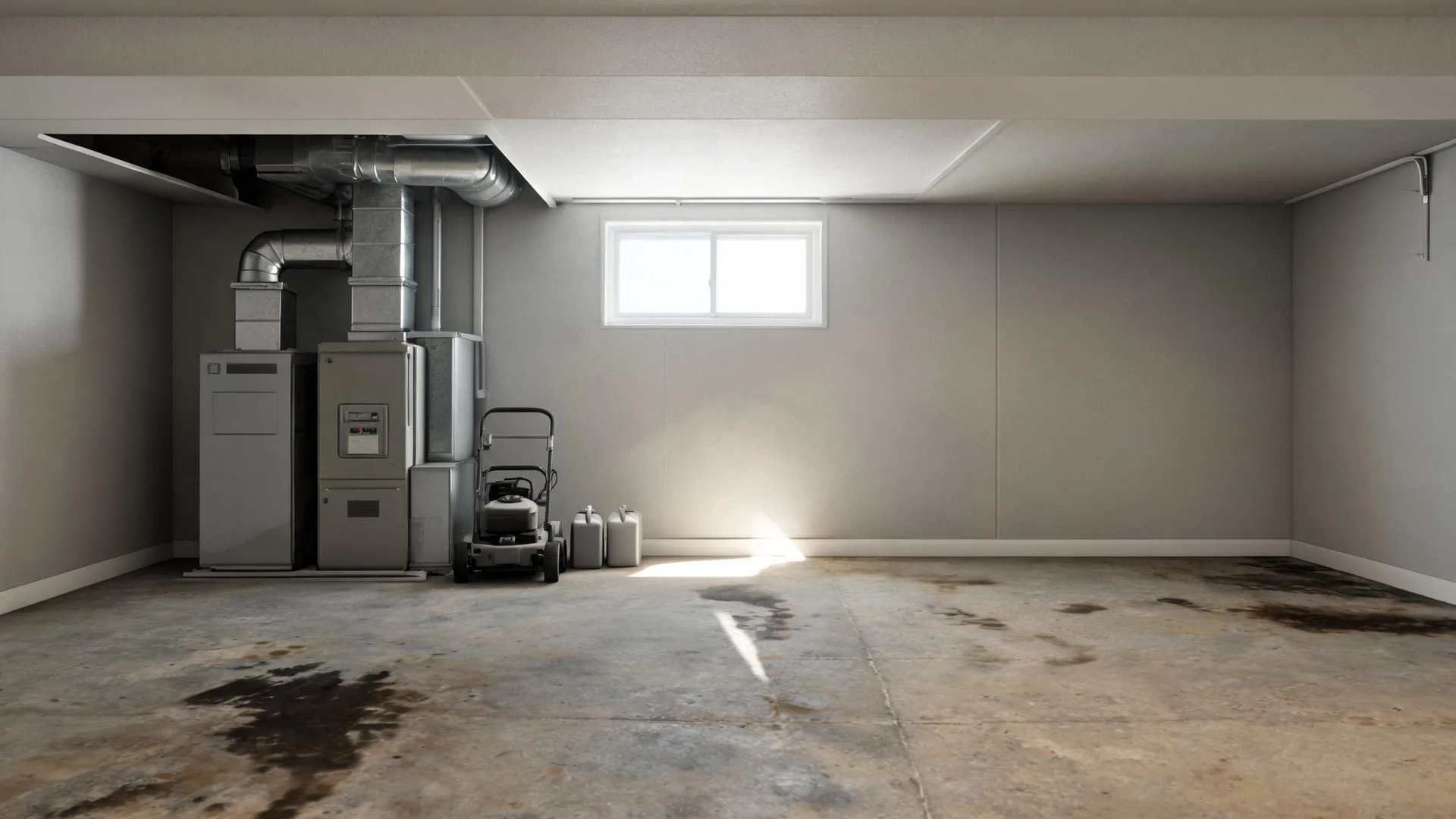
A gray gas furnace with attached ductwork and piping installed in an unfinished concrete basement.

Get the size right before anything else

A load calculation tells you what size furnace this house needs. Skip it and you're guessing, and a guess that runs eight months a year against 20°F nights doesn't average out. Oversized, it short cycles and wears out the parts that start and stop it. Undersized, it runs flat out all winter and still falls behind. Ask whoever bids the job to run the numbers on your house, not just match what's already out there.

Ask what the warranty actually covers

A furnace warranty usually splits into parts and labor, and they don't always run the same length. Some installers only honor the full warranty if they did the install and register it within a set window. Find out what voids it, too. A dealer who services only what they sold can leave you stuck if that company closes up or stops doing business in your area.

Ask how they vent it

A furnace that clears the higher AFUE minimum vents differently than an older unit. It pulls combustion air and pushes exhaust through different piping, often through a wall or up through existing flue space that may not fit the new equipment. Whoever bids the job should be able to say exactly where the vent goes and what it takes to get it there, not just that the furnace will fit in the mechanical room.

A gas furnace and sheet-metal air handler unit installed in an unfinished concrete basement.

A high-efficiency gas furnace would save about $150 a year to run in Monroe County compared with a gas furnace.

  • A high-efficiency gas furnace$690 a year
  • A gas furnace$840 a year

Estimates for a typical Monroe County home, from EIA household energy data, New York fuel prices and NOAA climate normals. Your home will differ.

Installation starts with the old furnace coming out, and that's its own job if the vent or gas line has to change along with it. The new unit gets set, connected to the gas line, the ductwork, and the vent, then wired into the thermostat. A combustion analyzer checks that it's burning clean once it's running. The installer tests the safety controls, the ones that shut off gas flow if the flame sensor doesn't detect a flame or the pressure switch doesn't read right. Expect the house without heat for a stretch while the old one's disconnected and the new one goes through its checks. Before anyone leaves, you should see the system cycle on and off at least once with someone there to confirm it's working the way it's supposed to.