 Hand it off
Heat pump vs gas heat in Rochester, NY
Send it once and finding someone is no longer on you.
You have a gas furnace and you are wondering if a heat pump makes more sense, or if pairing one with the furnace you already have is worth it. It is a fair question in Monroe County. Winters here get cold enough that gas has been the default for a long time, and most homes around Rochester are set up for it. But electricity here costs more than it does in most of the country, and that changes the math on running a heat pump hard through January.
A heat pump still earns its keep in the shoulder months, spring and fall, when it can heat and cool without the furnace running at all. Some homeowners keep the furnace as backup for the coldest stretches and let the heat pump carry the rest of the year. Others replace the furnace outright. Which one fits your house depends on your ductwork, your gas line, and what your utility charges, and that's not something to guess at from a search result.
This is a decision worth getting right before winter, not after the first cold snap when you're stuck choosing fast. A licensed contractor who works on heating systems in and around Rochester every season knows which setups hold up to Monroe County winters and which ones leave homeowners calling back in February. That's who you want looking at your house, not a sales rep reading off a brochure.
Send the form and you're done with the search part of this. You won't get three companies calling you back to back, comparing quotes you don't understand yet. One local contractor gets your information, looks at what you actually have, and tells you straight whether a heat pump fits your home or whether staying with gas, or running both together, is the better call. The finding-someone part of this stops being your problem once you hit send.
Should I get a heat pump or stick with gas heat in Rochester?
You have a gas furnace that works fine, and you keep seeing heat pumps mentioned as the newer, more efficient option. You want to know if switching makes sense here, or if gas is still the better call once you factor in what winters in Rochester actually demand from a heating system.
For most homes here, pairing a heat pump with the gas furnace beats replacing it outright
A heat pump handles heating and cooling efficiently down to around freezing, and Rochester's cold stretches well past that for months. Running on electricity alone through a full Monroe County winter gets expensive, since power here costs more than in most of the country. A dual fuel setup lets the heat pump carry the load in fall and early spring, then hands off to the gas furnace once temperatures drop low enough that gas becomes cheaper to run. You keep the furnace you already have, add the heat pump for the months it's cheaper to run, and the switch between them happens on its own. Going all-electric with no gas backup is a bigger bet against Rochester winters than most homeowners need to take.
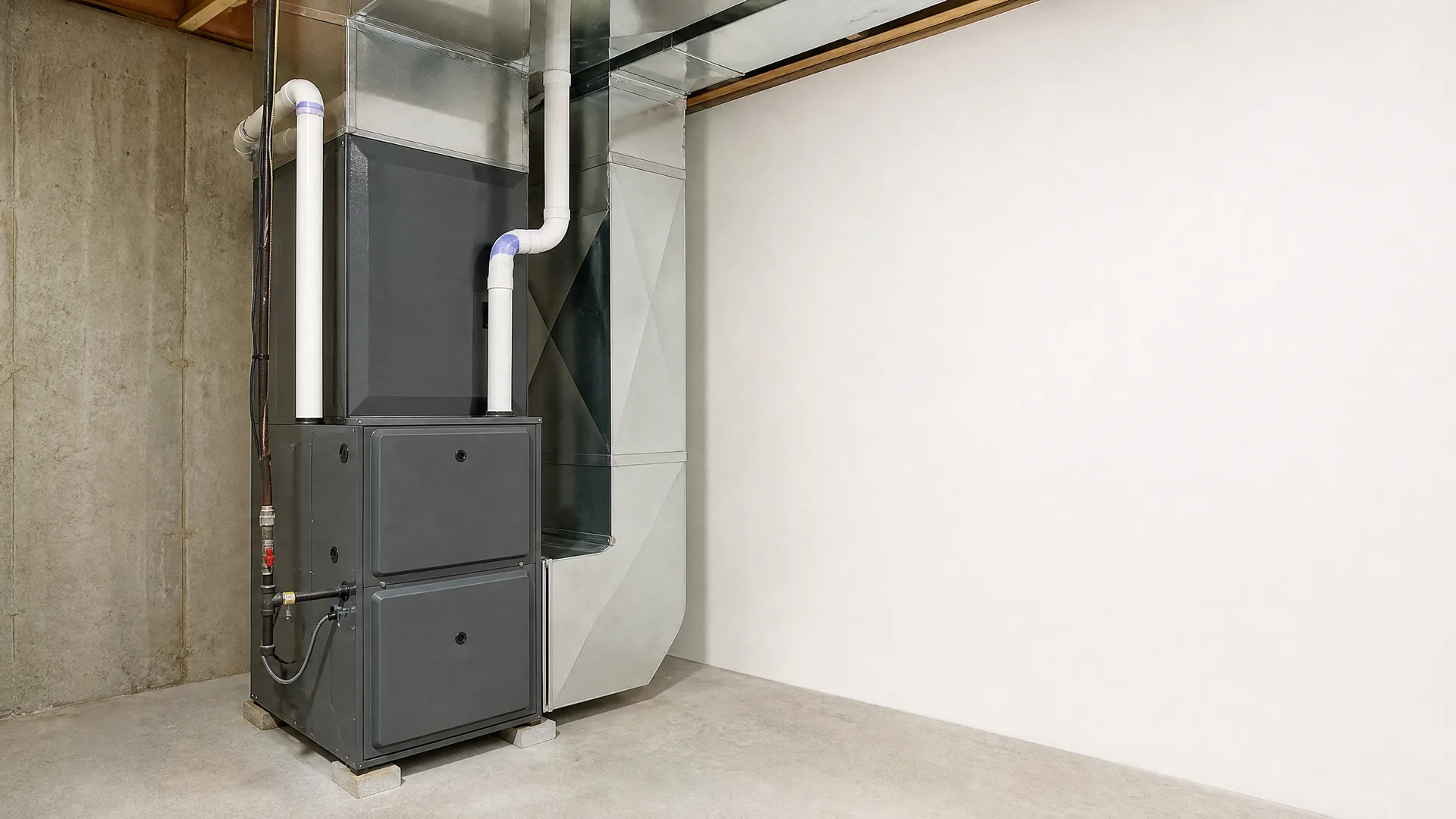
Why cold air changes the math
A heat pump pulls heat from outside air, and that gets harder as the temperature drops. Below the teens, most units lean harder on backup heat strips or need the furnace to take over. Monroe County sees plenty of nights in that range each winter. That is why a dual fuel setup, heat pump paired with the gas furnace you already have, works for a lot of homes here better than a heat pump alone.
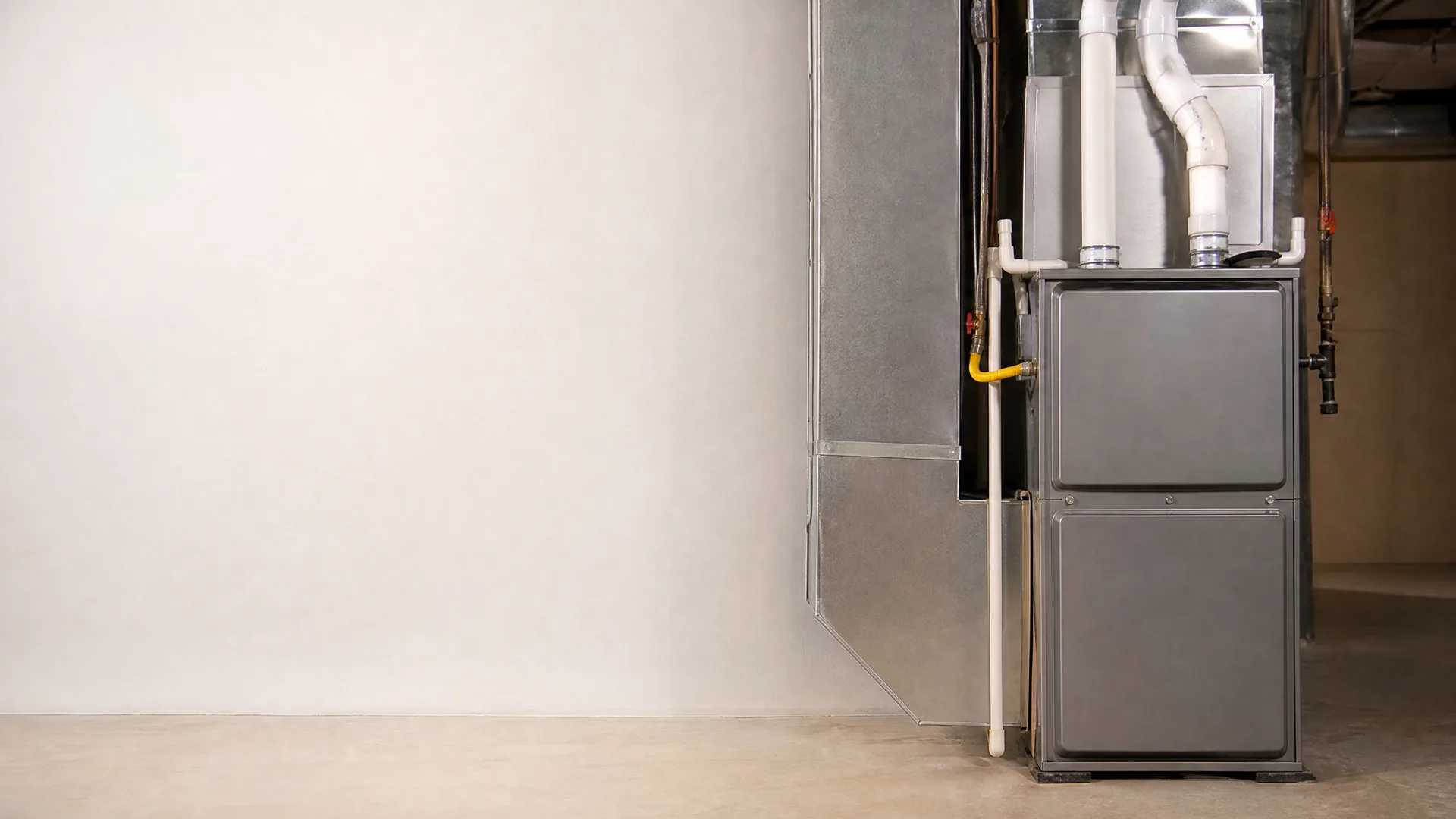
What a dual fuel system actually does
A dual fuel system switches between the heat pump and the furnace on its own, based on outdoor temperature. The heat pump runs on the milder days, which here still means a good stretch of fall and spring. Once it drops to where the heat pump stops keeping up, the system hands off to the furnace. You are not choosing between gas and electric. The equipment makes that call for you, aiming for the cheaper source at any given temperature.
Gas Furnace or Heat Pump
Gas furnace
- Keeps the same output no matter how cold it gets outside, so a night at zero heats the house the same as a night at twenty.
- Power in this area costs more than the national average, and gas has stayed the cheaper fuel to run through a full Rochester winter.
- A gas furnace already in place with working ductwork and a gas line means less to change or add during installation.
- Parts and service for gas furnaces are common here, since most homes in Monroe County already heat this way.
- Doesn't lose capacity in cold weather the way a heat pump does once temperatures drop into the teens or lower.
Heat pump
- Handles cooling and heating in one system, which matters here since summers still call for air conditioning even without the heavy humidity.
- Loses efficiency as the temperature drops, and on the coldest Rochester nights it may need backup heat strips or a furnace to keep up.
- Running it on electricity instead of gas means the cost per hour of heat depends on how the local electric rate compares to gas.
- Pairing one with your existing furnace lets the furnace take over below a set outdoor temperature instead of replacing the furnace outright.
- Installation costs more upfront than keeping the furnace alone, since it adds an outdoor unit and the wiring or controls to run alongside it.




Finding a pro stops being your job
A hybrid setup, a heat pump working alongside the furnace you already have, is the part worth a second look. The heat pump handles the mild stretches, which in Rochester is more months than people expect, and the furnace takes over once it gets genuinely cold. You are not ripping out a system that works. You are adding a way to run cheaper on the days when the outdoor air still has enough heat in it to pull from. Getting that setup right means sizing the heat pump to your house and wiring the switchover so it actually happens at the right temperature, not left to guesswork. That is a job for someone who installs these in Monroe County winters regularly and knows where they tend to get undersized or set up wrong. Send the details once and they go to one local contractor who does this work, not a handful of them competing for your callback.
What a dual-fuel setup changes at home
Right now your furnace does all the work, every month it runs. Add a heat pump and that splits. The heat pump carries the house through fall and spring and the warmer days of winter, and the furnace only fires once it gets cold enough that gas takes over automatically. You would notice the vents blowing a cooler, steadier air during those mild stretches instead of the hot blast a furnace puts out. That's normal for a heat pump and it still heats the room. Your gas use would drop across the year, since the furnace is no longer the thing running in October and April.
What stays the same, what doesn't
Your ductwork stays as it is, since a heat pump paired with a furnace uses the same supply and return your system already has. Your gas line stays too, doing less work but still there for the cold months. What changes is the equipment outside: an outdoor unit joins whatever you already have for the furnace, and a thermostat or control decides which one runs based on the temperature outside. If you're on a budget this winter, a working furnace alone already handles a zero-degree night. A heat pump added to it doesn't replace that, it just takes over the months that don't need it.
Winter nights average 20°F
A 20°F night is well within range for a heat pump alone, but it's also common enough here that your furnace will be doing real work most winter nights, not just on the rare cold snap. That's the number that decides whether a dual-fuel setup actually splits the load or barely uses the heat pump at all.
NOAA nClimDiv 1991-2020
How the handoff actually works
- A dual-fuel system uses a thermostat or outdoor sensor to hand off between the heat pump and the furnace automatically, with no switch to flip yourself.
- The changeover point, called the balance point, is a setting a contractor picks for your house, not a fixed number built into the equipment.
- Below the balance point the heat pump shuts off and the furnace lights, using its normal igniter and burner sequence like it always has.
- The heat pump still runs a defrost cycle in freezing weather, briefly reversing to melt ice off the outdoor coil before switching back to heating.
- Both systems share the same ductwork and the same indoor blower, so no new vents or returns go in during installation.
- A low outdoor temperature sensor is usually what tells the system to stop calling for the heat pump and let the furnace take over.
A dual-fuel setup sounds like it needs babysitting, but it doesn't. The thermostat or an outdoor sensor tracks the temperature and decides, on its own, which system should be running. You don't touch anything. The point where it switches is called the balance point, and a contractor sets that during installation based on your house, your heat pump's capacity, and how your ductwork is laid out. It isn't a number stamped on the unit.
Above the balance point, the heat pump runs and the furnace sits idle. Once outdoor air drops below it, the heat pump shuts off and the furnace takes over, going through the same igniter and burner sequence it always has. Nothing about how the furnace fires changes. It just gets called on more or less often depending on where that balance point lands.
The heat pump also has to deal with ice. In freezing weather, outdoor coils pick up frost, so the system briefly reverses itself to melt it off before going back to heating. That's normal and happens on its own.
Both systems pull air through the same ducts and push it out through the same blower, so putting in a heat pump doesn't mean new vents, new returns, or cutting into walls. What usually tells the system to stop leaning on the heat pump and switch to gas is a low outdoor temperature sensor, mounted outside, reading the actual air your house is sitting in.


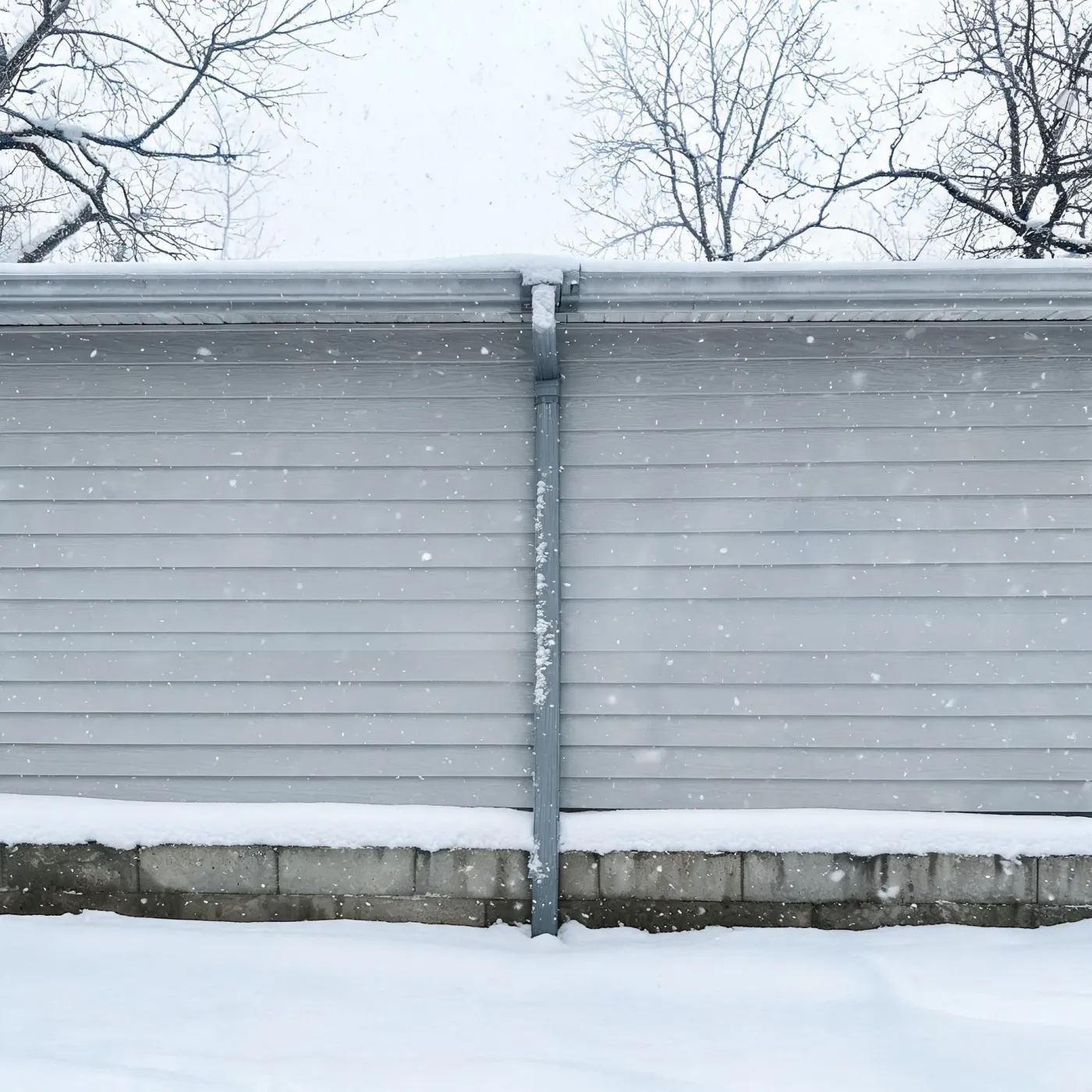
On a 20°F night, your furnace is the one keeping the house warm, not easing off because the heat pump has it covered. That's an average for December through February, so plenty of nights here sit colder than that. At that temperature a heat pump still works, but it's pulling heat from air that has little to spare, and the output drops off as the mercury does. Your furnace doesn't have that problem. It burns gas and puts out the same heat at zero as it does at twenty. That's the gap a dual-fuel setup has to plan around, not the mild nights but the ordinary cold ones.
NOAA nClimDiv 1991-2020
Keeping your gas furnace as it is remains the simpler choice, and it will heat your house through every Rochester winter without any change in how it performs. Adding a heat pump alongside it is the upgrade worth having looked into, not a replacement for it. Either way, the decision comes down to your house, your ductwork, and what a system can actually do with the outdoor unit placement and electrical panel you have, which is not something to work out from general numbers. A contractor who installs and services this equipment around Monroe County every winter knows which brands hold up through a Rochester cold snap and where a dual-fuel setup tends to run into trouble in homes like yours. Sending the request connects you with one local, licensed contractor rather than a handful of companies competing for the job, so you get a straight answer about your house instead of a pile of calls to sort through. From there, the furnace stays, the heat pump question gets a real answer, and the choice is yours to make with the facts in front of you.
Let someone else find the pro