Oil costs more to burn here
Fuel oil ran $23.11 per million Btu in New York in 2024. A furnace that wastes less of that heat up the flue matters more here than in a state where oil runs cheap.
Takes about a minute. No obligation.
Fuel oil ran $23.11 per million Btu in New York in 2024. A furnace that wastes less of that heat up the flue matters more here than in a state where oil runs cheap.
When you're pricing furnaces for Plattsburgh, put the AFUE rating next to the price tag. A higher rating means less of that expensive oil heat going out the vent instead of into your house.
NOAA nClimDiv, 1991–2020 normals
Furnaces here start running in September, so August is the month to get a new one in.
Wait past August and you're picking a furnace while it's already cold, not before.



Ask for the AFUE number before anything else on the spec sheet. That number tells you how much of your oil dollar turns into heat in your house instead of going up the flue. On oil priced at $23.11 per million Btu, a few points of AFUE make a real difference on the bill once the furnace is running most of the year. If two furnaces are priced close together, the one with the higher AFUE is the one that keeps paying you back after the sale is done.
Oil heats 37.3% of homes in Clinton County, more than any other fuel, and most furnaces here already run on it. Replacing an oil furnace with another oil furnace means the venting, the tank and the lines are already in place. That's the simplest install to plan for.
Find a contractor
A furnace that's too big for the house turns on, dumps a blast of heat, and shuts off before it's pulled air through a full cycle. The heat exchanger never gets to a steady temperature. The blower never settles into a rhythm. Rooms end up with hot and cold spots even though the furnace is more than strong enough to handle them. A furnace that's too small just runs and runs on the coldest nights, trying to keep up and never quite closing the gap. Either way it wears against itself, cycling more than it should.
Sizing it right means working out the heat loss of the house itself. The windows, the walls, how much the attic is holding or losing. That number matters more than whatever size the old furnace happened to be, because the old one might have been wrong too. A furnace sized to the house runs longer, steadier cycles. That's what keeps a house warm corner to corner instead of just warm near the thermostat.
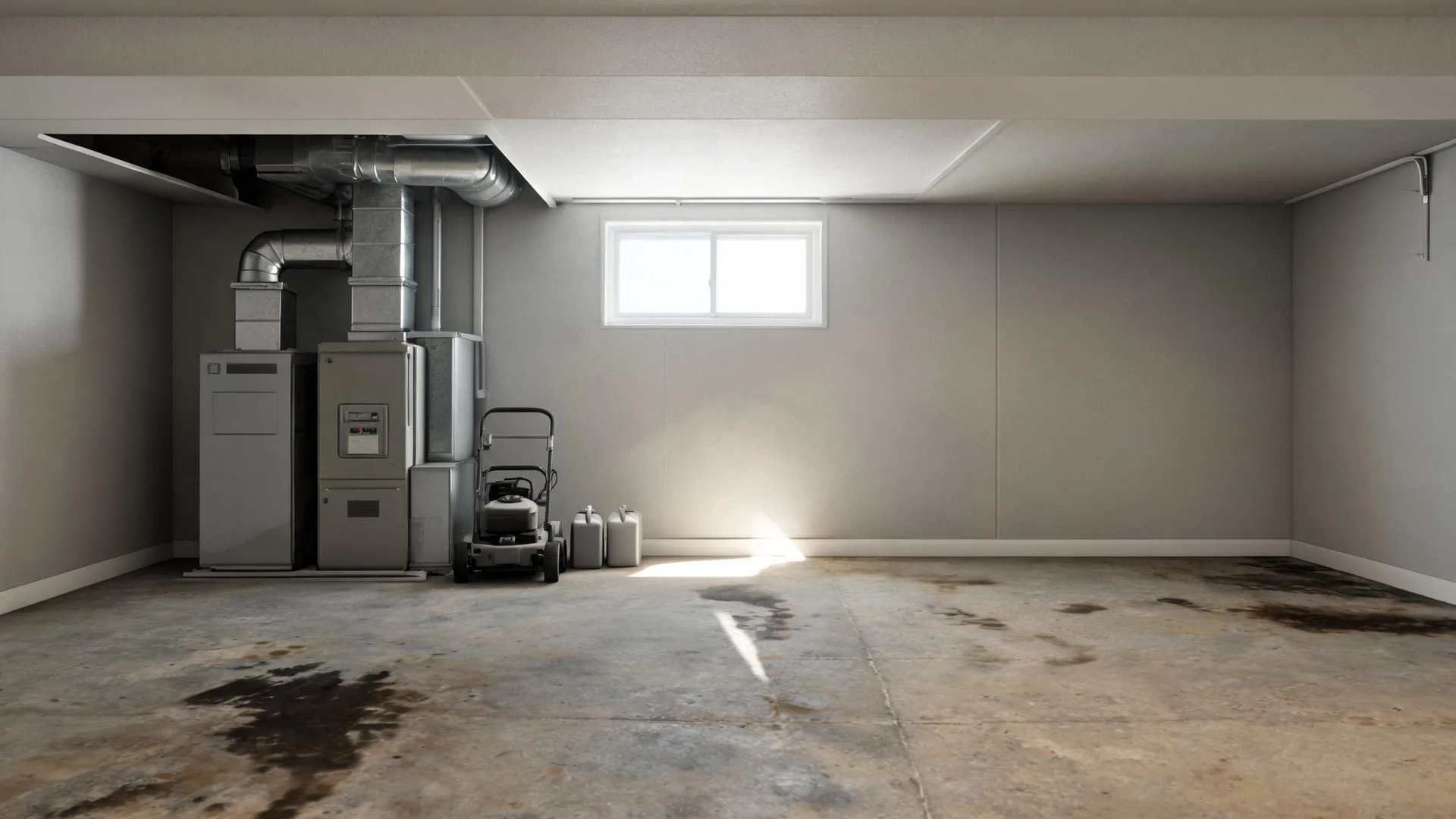
A contractor pulling out an oil furnace has to cap the oil line, disconnect the flue, and get the cabinet out of the mechanical room. If the old unit is cast iron, it's heavy. Getting it up a basement stairway is part of the job, not an afterthought, and it should be priced in up front.
Swapping furnace for furnace still means checking what's feeding it. An oil tank that's old enough to be original to the house is worth inspecting for rust or a failing gauge before the new furnace gets connected to it. The lines running from tank to furnace get checked too. There's no point putting a new furnace on a tank that's about to need its own replacement.
AFUE measures one thing. It's how much of the fuel burned turns into heat in the house instead of going up the flue. It says nothing about how big a furnace is or how well it fits the house. A correctly sized furnace with a lower rating can still outperform an oversized one with a higher rating once it's actually running. The rating is tested new, in a lab. It holds up best when the furnace gets serviced every year. A dirty filter or a neglected heat exchanger will pull real performance below what's printed on the label.
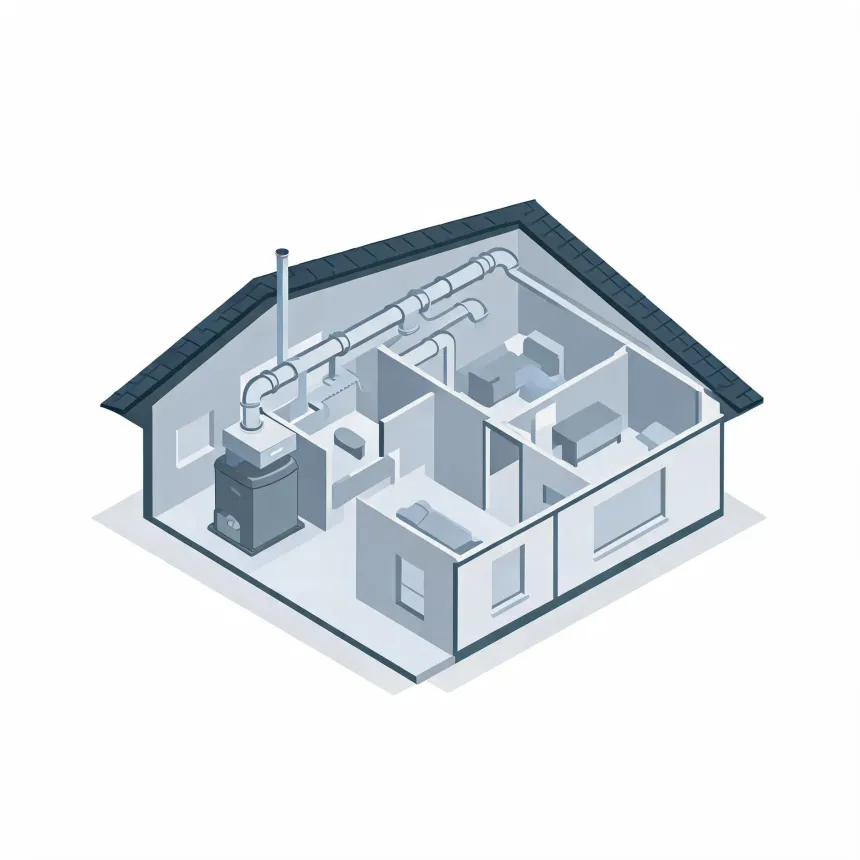
Installation day starts with the old furnace coming out, not the new one going in. Once the cabinet is clear, the contractor runs new venting if the furnace calls for it, sets the new unit, and connects the oil line, the ductwork, and the flue. Every joint gets checked for a tight seal before anything gets fired up. Once it's connected, the furnace gets fired and run through a full cycle while the contractor checks the flame, the draft, and the temperature rise across the heat exchanger. That last check matters most. A furnace can be wired right and still run wrong if the airflow across the heat exchanger isn't where it should be. Only after it holds steady through a full cycle is the job actually done.