15 to 20 years
That's the working life of an oil furnace with regular service. If yours is near or past that mark, a repair now may just delay the same decision next winter.

Get your furnace to the right pro
An oil furnace near the end of its life doesn't always announce it. Maybe it's running more often, costing more to keep up, or a repair quote has you wondering if it's worth it on an older unit. This page gets into how to tell repair from replace, and skips the part where you track down and call around to contractors around Plattsburgh yourself.
Connect with a proWhether to repair or replace your oil furnace usually comes down to its age and what the repair costs compared to a new unit. An oil furnace runs 15 to 20 years with regular service. Past that point, the heat exchanger and burner components have been through thousands of cycles getting homes through Clinton County winters, and parts wear out faster than they did in year five. If your furnace is under 10 years old, a repair is usually the right call, even if it costs a few hundred dollars. If it's past 15 and the repair quote is running high, that money goes further toward a new furnace that won't need the next repair, and the next, over a winter that doesn't let up until spring. A contractor who looks at the unit itself, not just its age, can tell you which side of that line yours is on.
At 11 below freezing, your furnace is working hard most of the night, every night, from December through February. A furnace already on its way out will struggle to keep up on those nights, and that's usually when a repair call turns urgent.
NOAA nClimDiv 1991-2020






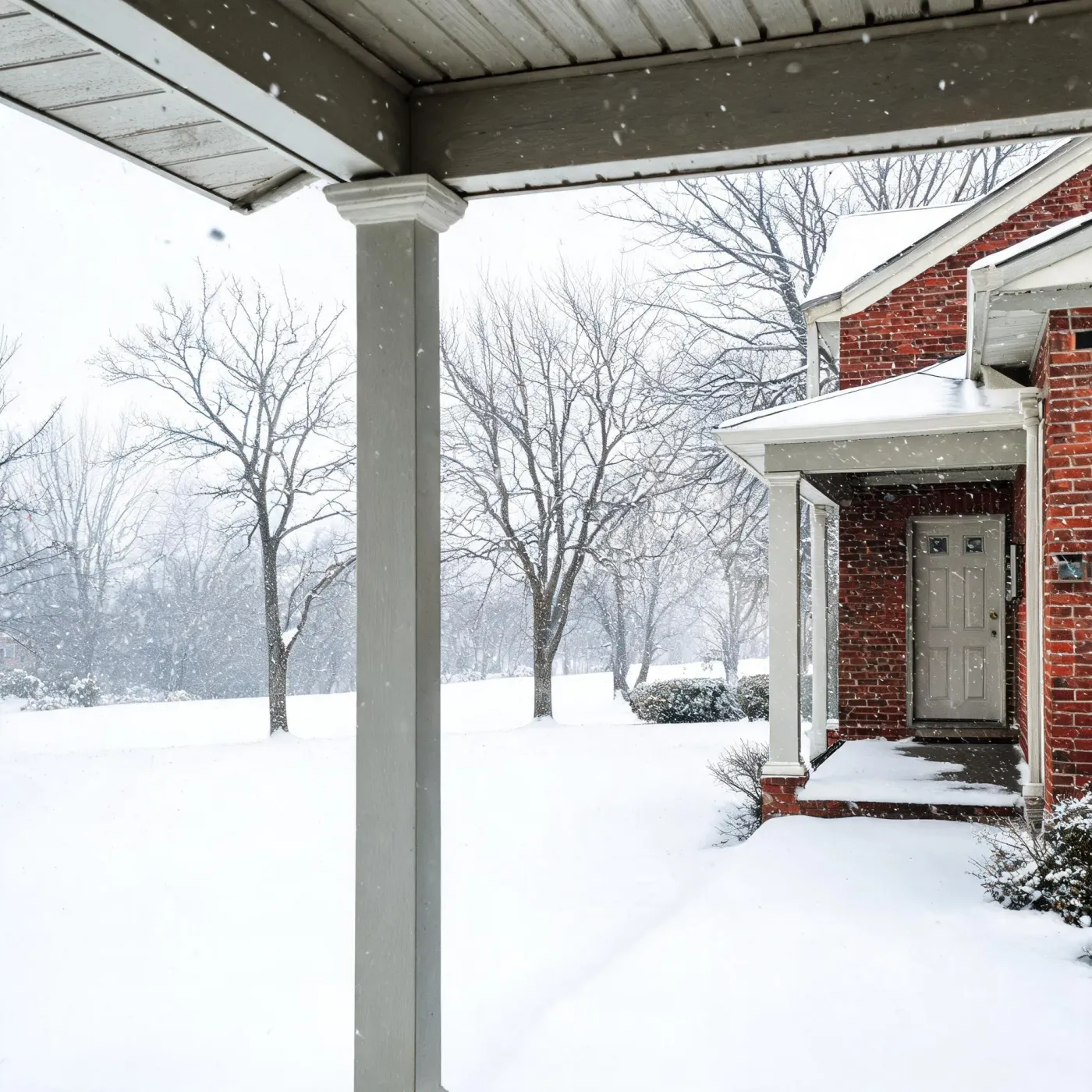
A night at 11°F is long on the furnace, not just cold. The burner runs in longer stretches with fewer breaks to recover, and an older heat exchanger that's already thinned from years of that cycle has less margin before it cracks or starts leaking. You'd notice it as rooms that take longer to warm back up, or a furnace that seems to run start to finish without ever really shutting off. On a unit near the end of its life, these are the nights that turn a small problem into a no-heat call. Source: NOAA.
NOAA nClimDiv 1991-2020


That's the working life of an oil furnace with regular service. If yours is near or past that mark, a repair now may just delay the same decision next winter.
That's the risk you're weighing. Plattsburgh winters don't give you a mild stretch to figure out a replacement once the old one quits for good.

The burner fires clean and the exchanger stays sound, so heat moves through the ducts without the furnace straining to keep up. Nights at 11 below are long on any furnace, but one in good shape has the margin to handle them.

Dust on the cabinet and corrosion creeping along the lines are signs the furnace has been working harder than it should for a while. Once the exchanger or burner is going, a repair buys you a little time, not a fix.


Winter nights average 11°F
Overnight lows averaging 11°F mean your furnace runs long stretches without a break, and an aging heat exchanger has less room to handle that strain.
Heat runs September through May
Nine months of heat a year, September through May, is more run time than most of the country asks of a furnace, which shortens the years it has left.
37.3% of homes heat with fuel oil
At 37.3% of homes here, fuel oil is the most common heat source in Clinton County, so when it's time to replace, you're not dealing with a rare setup.
NOAA nClimDiv 1991-2020 · ACS 2020-2024
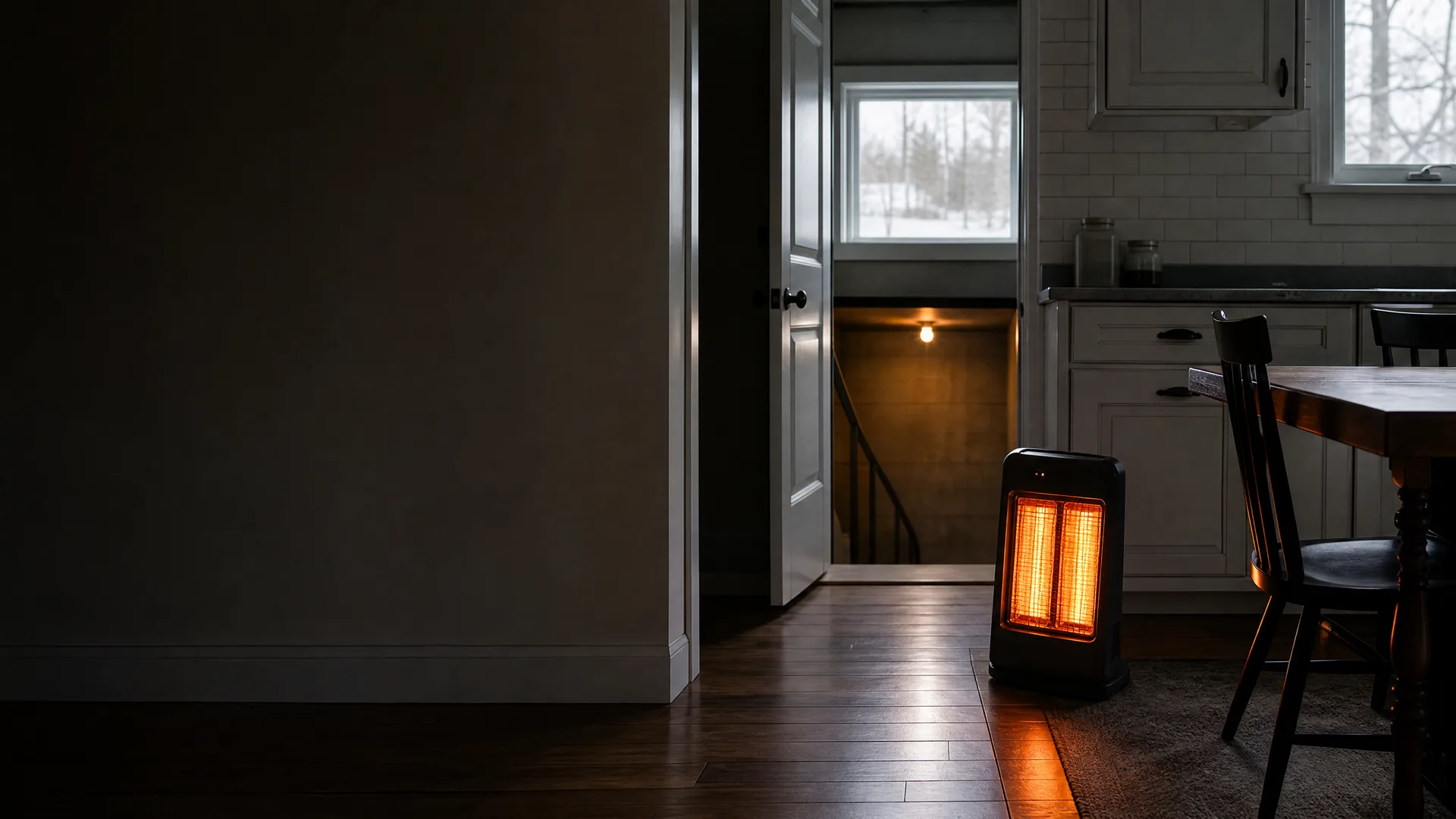
It's just past six, still dark outside, and the kitchen is the only warm room in the house. The space heater's coil glows orange by the table, cord running back toward the basement door, which you left open to feel if the furnace ever kicked on. It didn't, not for a while now. You're in your coat at your own table, waiting on coffee, listening for the burner. Outside the window the thermometer reads somewhere near zero, the kind of morning Clinton County gets a few times every February. You've already decided you're not spending another night like this, pulling heaters out of the closet and hoping the basement door stays warm enough to matter.
You've probably already run the numbers once, maybe twice, trying to decide if the furnace has another winter in it. That's not a call you have to make alone, and it's not one you have to make by working the phones yourself. Most people in this spot end up calling around to two or three contractors, explaining the same symptoms each time, then waiting on quotes that are hard to compare because no two inspections cover the same ground. With lows near 11°F and nine months of heating ahead of you, Plattsburgh doesn't give you much room to get this wrong. A contractor who looks at your specific furnace, its age, and what's already failing can tell you whether a repair holds through next winter or whether you're better off putting that money toward a new unit. Submitting your information here hands that legwork off to someone who can actually look at the furnace and give you a straight answer, instead of you guessing from a repair estimate alone.
Oil ignites in the burner and the flame heats the exchanger walls
The blower pulls return air across the hot exchanger surface
Heated air pushes through the ducts into every room
Flue gases vent out through the chimney as the exchanger cools
What happens inside my furnace right before it short cycles?
Short cycling starts with the limit switch, not the burner itself. That switch sits near the heat exchanger and shuts the burner off if the air around it gets hotter than it should. On an older exchanger, corrosion and scale slow down how fast heat moves into the air passing through, so the metal around the switch runs hotter than it used to. The switch does what it's built to do and cuts the flame. The blower keeps running to clear the heat, the switch resets, and the burner fires again a few minutes later. Each short cycle is the furnace protecting itself, but it's also a sign the exchanger isn't moving heat the way it did when the furnace was new.

The burner fires clean, the ductwork and gas line run tight to the cabinet, and heat moves through the house without the furnace straining. A unit kept up like this handles a long December night without drama.

Surface rust on the cabinet usually means the same wear is building inside, around the heat exchanger and burner. It may still run, but it's working harder to do it, and that shows up on the oil bill before it shows up as a breakdown.

A repair makes sense when the heat exchanger and burner are still sound and what's failed is one part: an igniter, a limit switch, a nozzle. Replacement makes sense once the furnace is past 15 to 20 years or a repair quote starts closing in on what a new unit costs. You know which one you're looking at now, and you know why.
What's left is finding someone to do the work, and that's the part that eats an evening you don't have during a cold snap. Instead of calling around Clinton County explaining the same problem five times and sorting through quotes that don't match up, you can get matched with a contractor suited to your situation, and they'll reach out to you directly.


Matched to your furnace job