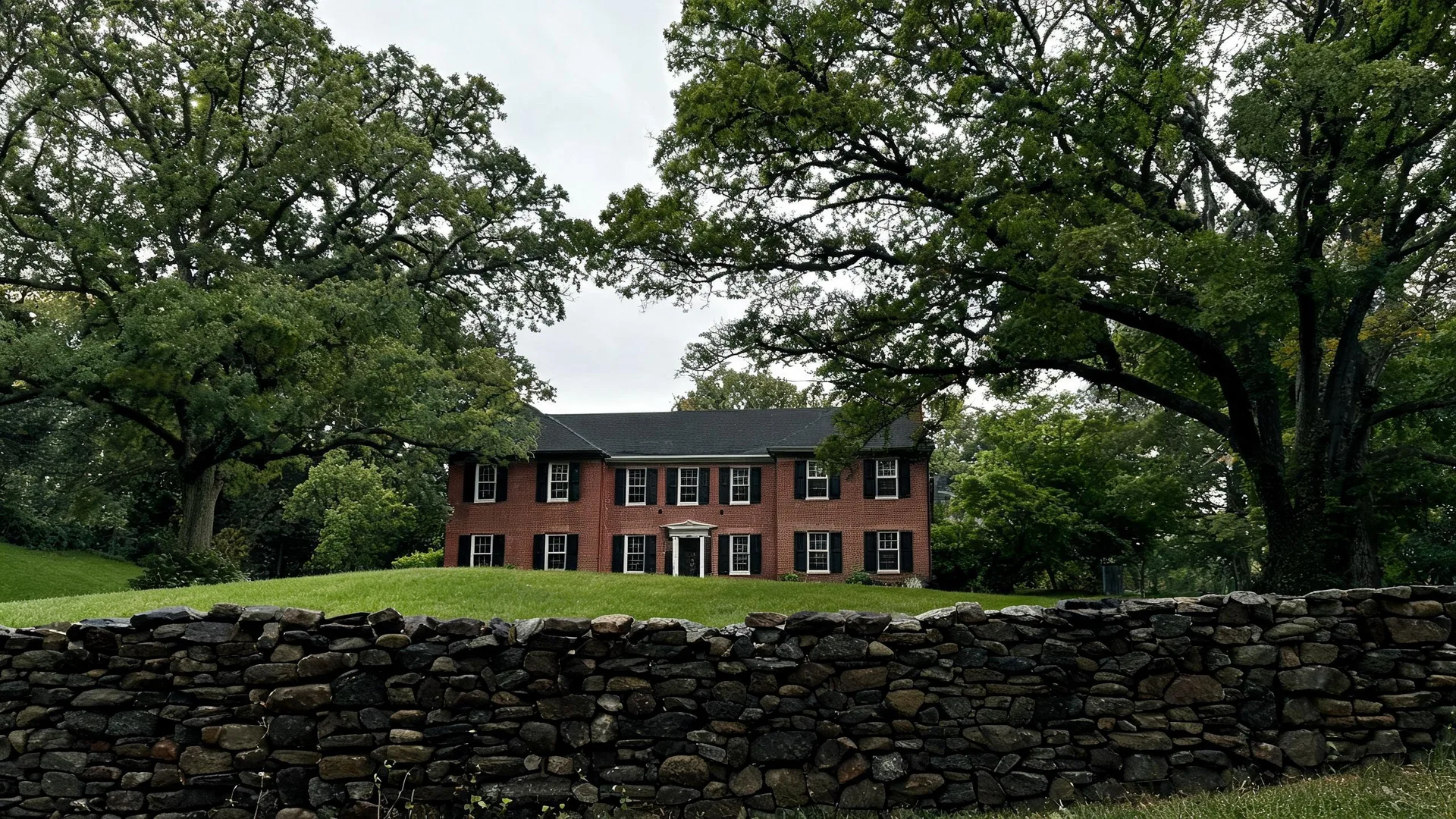





A two-story red brick house with black shutters and a dark roof sits on a mown lawn behind a long dry-stacked stone wall, framed by large deciduous trees under an overcast sky.

Furnace Installation in Oswego, NY

Tell us about the job

Takes about a minute. No obligation.

New system or replacementFurnace or heatingOswego County, NY
Step 1 of 2

What ZIP code is the job in?

Natural gas ran $16.03 per million Btu across New York homes in 2024. That's the price per unit of heat, before efficiency even enters the picture. A furnace that wastes more of that gas up the flue is burning your money, not just fuel. Two furnaces rated for the same house can turn that same dollar of gas into very different amounts of heat in your rooms. Here, where the furnace runs most of the year, that gap doesn't stay small.

8 months
October through May, your furnace is on duty
17°F
the average winter night it heats against
80% AFUE
the federal minimum any new unit must meet
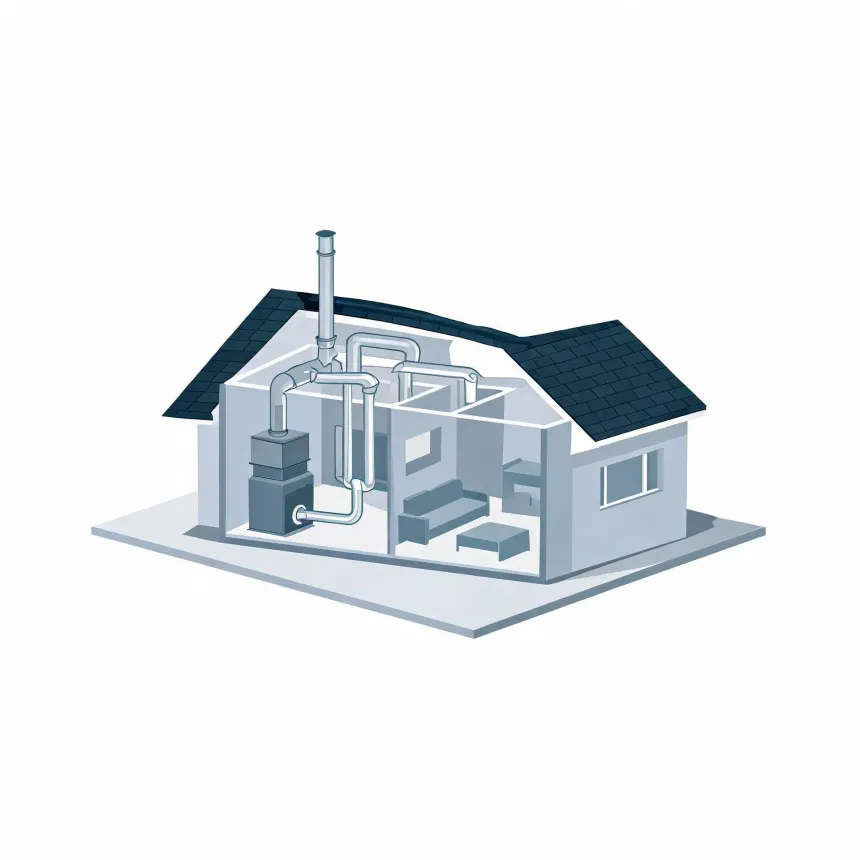
Isometric illustration of a cutaway single-story house showing a gray furnace unit, connected ductwork, and a vertical flue extending above the dark shingled roof.
Your furnace works hardest from November through March.

NOAA nClimDiv, 1991–2020 normals

Gas heats 41% of homes in Oswego County, more than any other fuel.

Most furnace replacements here are gas for gas, so the install crew already knows the gas lines and venting this job needs.

Eight months of heating means timing this one yourself beats doing it in the cold

Heat runs October through May
Climate zone 5A
Winter nights average 17°F
Eight Months of Work Every YearFurnaces here run October through May, and winter storms hit Oswego County 33 times between 2015 and 2024.

Half the homes in Oswego County were built in 1971 or earlier. A house that age usually wasn't built with the ductwork a modern high-efficiency furnace expects. Trunk lines sized for an old gravity furnace or an early forced-air system may not move enough air for a new one, and that shows up as rooms that won't heat evenly or a furnace that short-cycles. The venting is often different too. Older furnaces vented into a brick chimney; a new high-efficiency model vents through the wall with PVC pipe instead, which is a different job than swapping one furnace for another. None of this means the house is a problem. It means the install has to account for what's already there, not just drop in a new box where the old one sat.

The Furnace You Install Now Sets Your Gas Bill for Years

The efficiency rating on the furnace going in is the one you're stuck with for as long as it runs. Pick it now, while it's one line on a quote, not after it's installed and every winter bill is already set by that choice.

Find a contractor
A man in a cap, dark jacket and tan work pants carries a canvas tote bag as he steps up concrete stairs toward a blue front door, with a potted shrub beside him.
A gas furnace with attached ductwork, gas piping, and condensate lines installed in a concrete-block basement.

A Long Heating Season Leaves No Room for a Bad Fit

All those months of running put real hours on equipment that doesn't fit the ductwork. If your house was built in 1971 or earlier, say so when you're getting quotes. A contractor who hears that will check your trunk lines and venting before they talk furnace models, not after. That's the time to catch a sizing mismatch, while it's still a conversation and not a furnace that's already bolted in and vented.

Sizing Drives the Quote

A furnace has to be sized to the house, the heat load, and the ductwork moving the air. Get that calculation right and the equipment matches the job. Oversize it and you pay for a bigger cabinet, a bigger gas valve, and a blower that still can't run long enough to heat evenly. The load calculation is what the rest of the quote hangs on.

The Vent Pipe Changes the Job

A high-efficiency furnace doesn't vent like an older one. It needs intake and exhaust pipe run through a wall or roof, sometimes a condensate line to drain the moisture it pulls out of the exhaust, and a path that meets clearance rules near windows and doors. Running that pipe, not just setting the furnace in place, is what adds labor to an install.

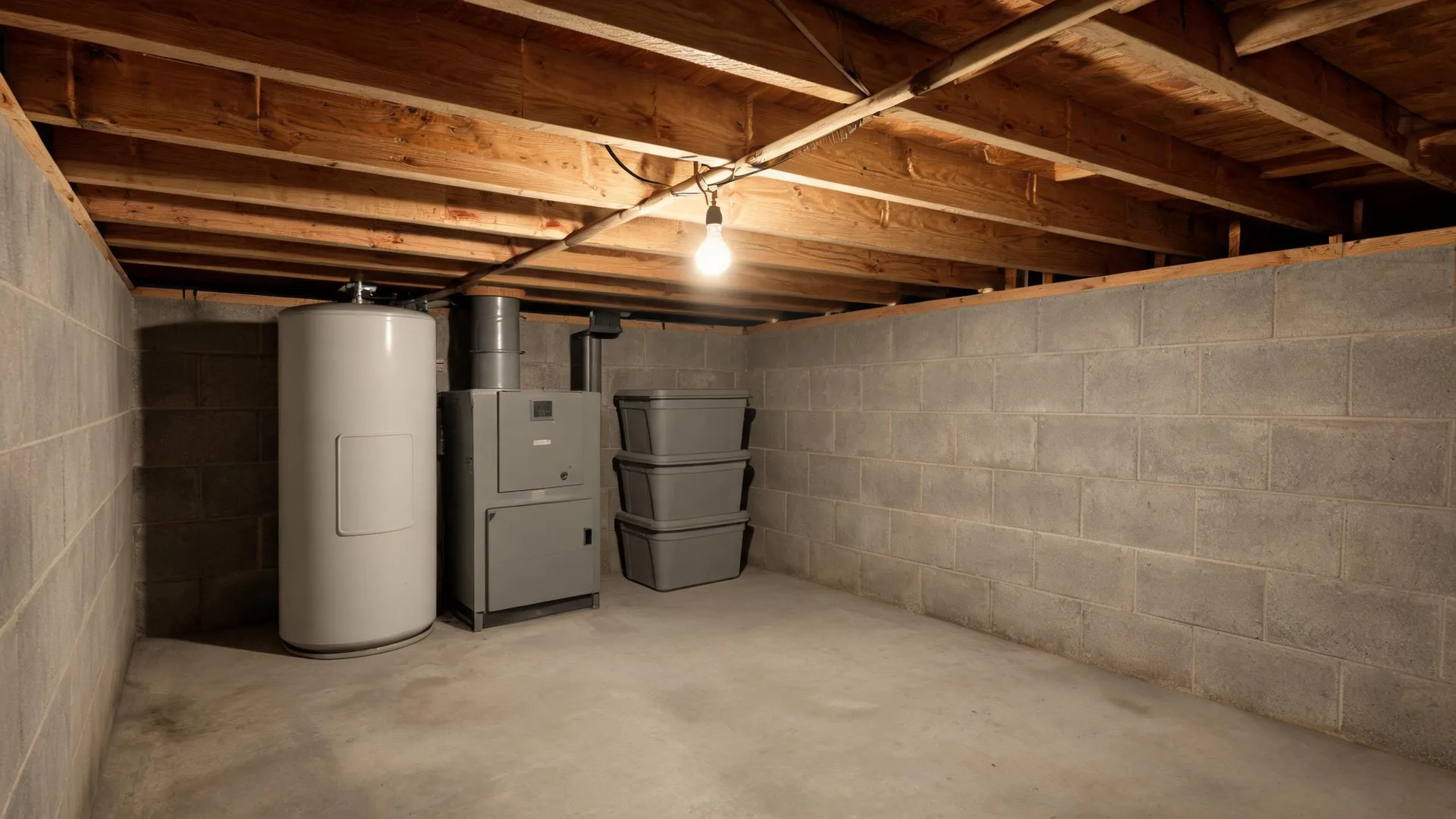
An unfinished basement featuring concrete block walls, exposed floor joists, a bare concrete floor, and a forced-air furnace with a large metal exhaust duct in the corner.

A high-efficiency gas furnace would save about $160 a year to run in Oswego County compared with a gas furnace.

  • A high-efficiency gas furnace$760 a year
  • A gas furnace$920 a year

Estimates for a typical Oswego County home, from EIA household energy data, New York fuel prices and NOAA climate normals. Your home will differ.

Installation day starts before the old furnace comes out. The crew shuts off gas and power, then disconnects the ductwork and venting so the old unit can be carried out whole. Setting the new furnace in place is often the fastest part. What takes the time is connecting it: the gas line, the return and supply plenums, the vent pipe, and the wiring to the thermostat and blower. Once it's hooked up, the crew checks gas pressure at the manifold, fires the burners, and watches the flame to see that it's burning clean and even. Before anyone leaves, the system runs through a full cycle so the installer can check the temperature rise across the furnace and make sure air is moving the way the ductwork was designed to move it.