
Heat pump vs furnace in Oswego County, New York

Get a Local Quote

See real numbers before you choose

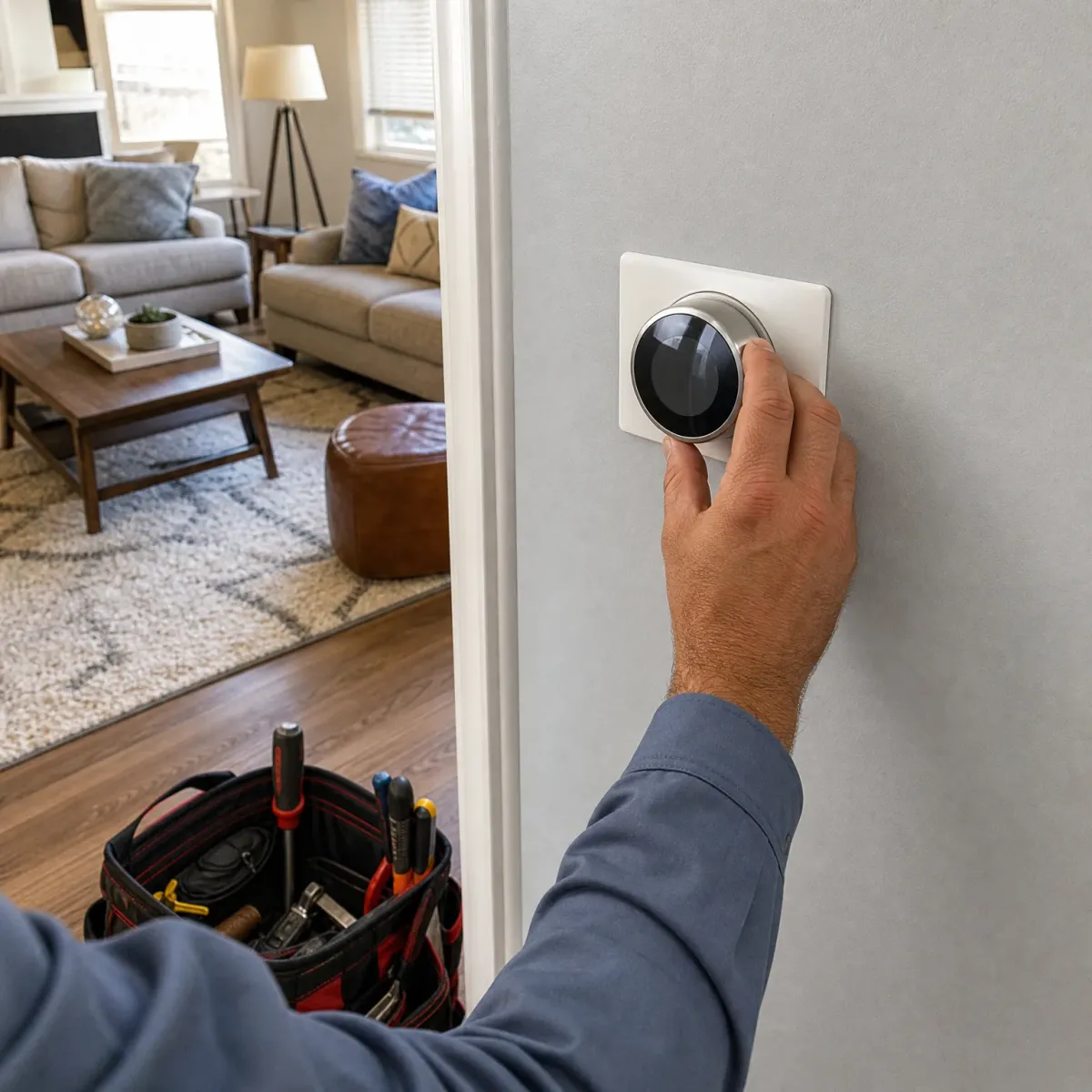
A person's hand adjusts a round wall-mounted thermostat with a black display on a gray wall, with a tool bag in the foreground and a living room with sofas and a coffee table behind.

Tell us about the job

Takes about a minute. No obligation.

New system or replacementOswego County, NY
Step 1 of 3

What kind of equipment?

Which costs less to run in Oswego County?

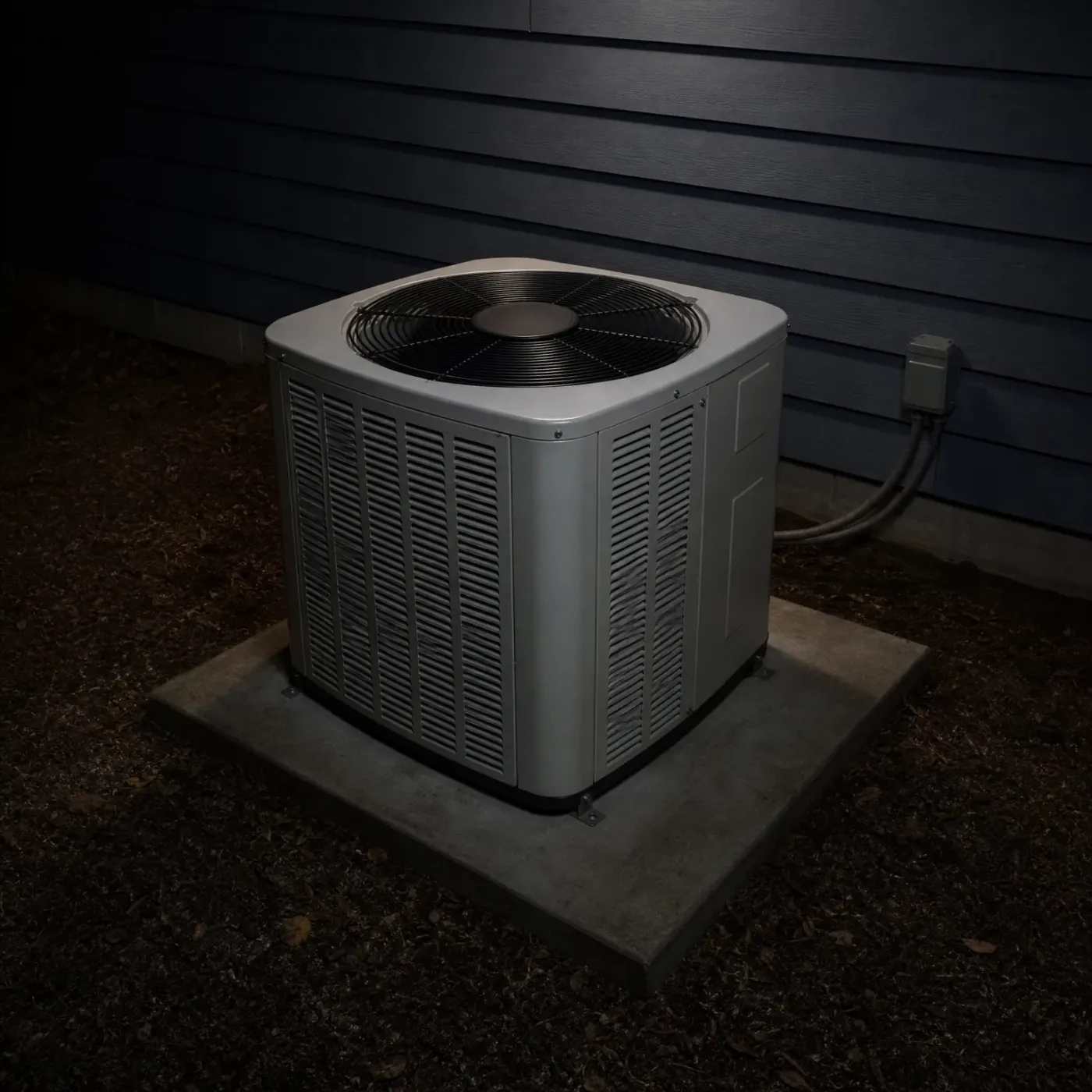
A gray outdoor condenser unit with a top fan grille sits on a concrete pad beside a dark horizontal-lap sided wall, with refrigerant lines running to a small wall-mounted box.

Heat pump

To heat your home here$3.26per 100,000 Btu

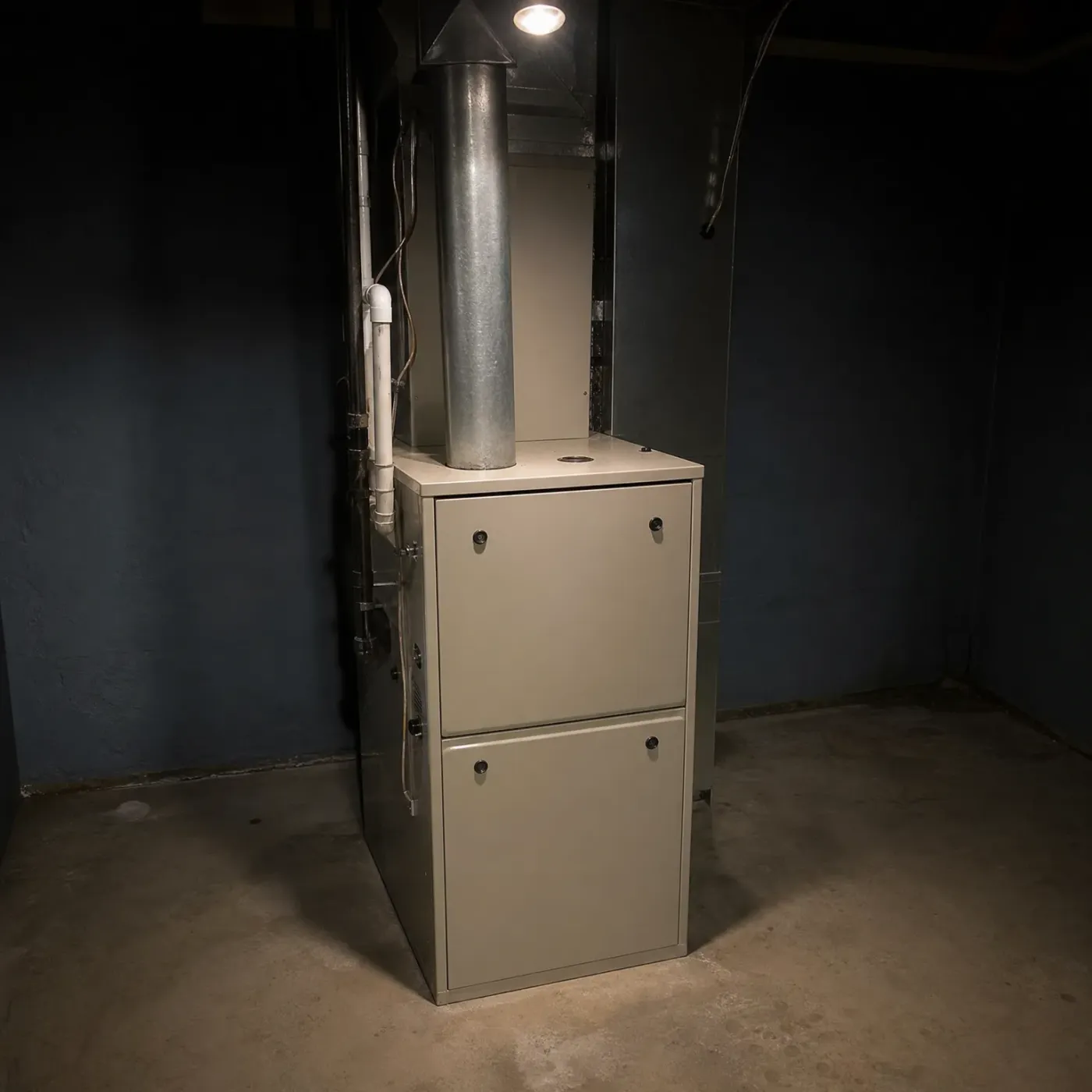
A beige two-panel furnace with a metal flue pipe stands in a dim basement with dark painted walls and a concrete floor.

Furnace

To heat your home here$2.00per 100,000 Btu

At New York's gas and electricity prices, a gas furnace makes the same heat as a heat pump for at least 38% less.

Btu stands for British thermal unit, the standard measure of heat energy.

Where does a heat pump shine?

  • No gas line, nothing burning in the house

    A heat pump runs on electricity alone. Nothing burns inside the house.

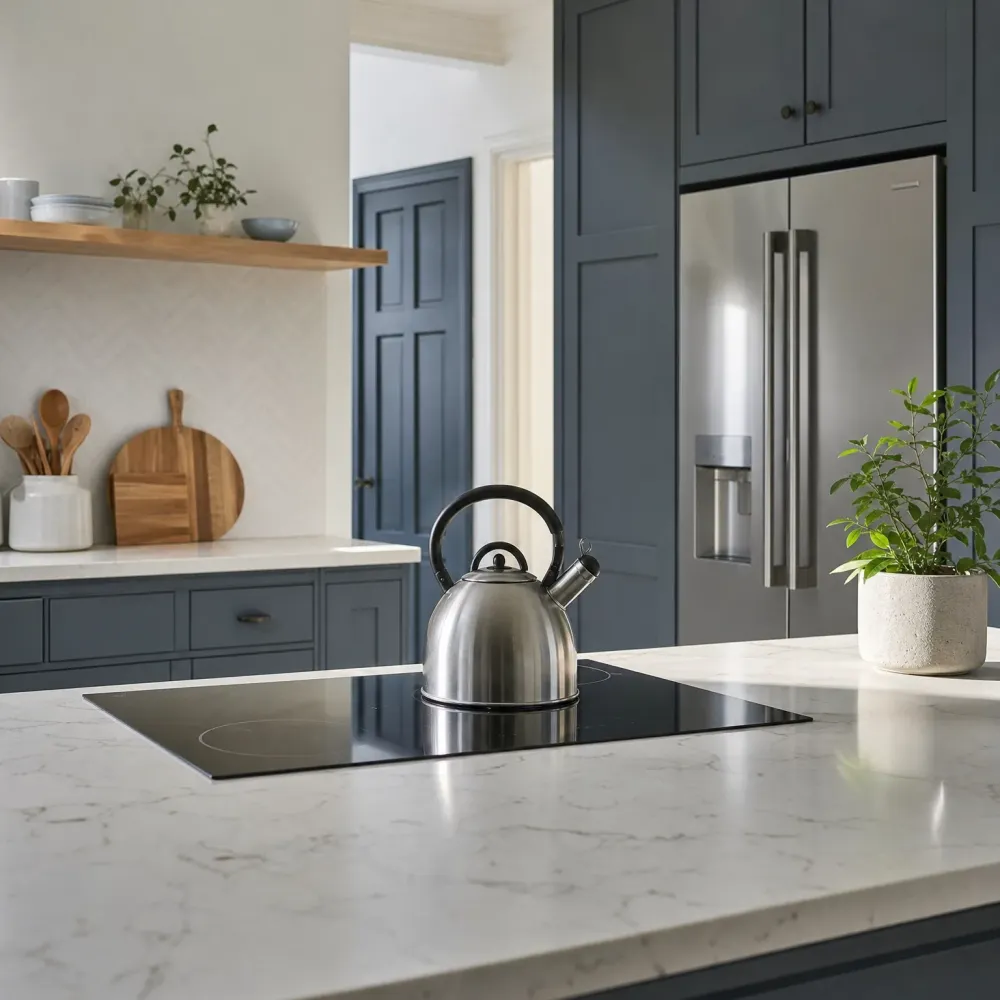
    A kitchen island with a white marbled countertop holding a black induction cooktop and a stainless steel whistling kettle, with dark blue-gray cabinetry, a stainless steel refrigerator, a potted green plant, and a wooden shelf with utensils and cutting boards in the background.
  • Heats and cools in one system

    One machine handles the heat in winter and the cooling in summer. There's no second system to buy or keep up.

    A living room with a grey sofa and blue cushions beneath a large window looking onto green trees, a wood-burning stove and log basket at left, dark blue cabinetry, a rustic wooden coffee table with a mug and flowers, and a jute rug on a wood floor.
  • Steady, even comfort

    Instead of short bursts of heat, it keeps a gentle, steady output going. The house stays at one comfortable temperature.

    A yellow dog sleeps on a patterned rug in a living room with a gray wingback armchair holding an open book and a draped throw, a lit table lamp beside a window showing snowy trees, and a stone fireplace with a burning fire at right.

Where does a furnace shine?

  • Strong, steady heat in hard cold

    Overnight lows average 17°F across December, January and February here. A furnace holds its output steady no matter how far the temperature drops outside, so the air coming out of your vents feels the same at 2am as it does at noon.

    A person in a dark hooded parka and pom-pom hat walks up a cleared snowy path toward a dark-sided house with lit windows, a covered porch, and a lamppost at dusk.
  • Fast, strong heat on demand

    The air coming from the vents feels genuinely hot. That's welcome on a freezing morning.

    A mudroom entry with snow-dusted winter boots on a woven jute mat, a dark blue door with glass panel, a sheer-curtained window, a floor vent emitting visible steam, and a bench with wicker baskets, a gray plaid throw, and a steaming mug.
  • Proven, simple, easy to get serviced

    Gas furnaces have heated homes for generations. Almost every HVAC tech knows them inside and out.

    A gloved hand holds a clean pleated air filter in front of a furnace unit, with a shelving rack holding a mug, potted plant, basket, and storage bins at right.

What the cold actually does to a heat pump here

Your winters decide this more than the price tags do. The overnight low here averages 17°F across December, January and February, and it drops to freezing or below on about 135 nights a year, out of roughly 245 nights in the eight-month heating season. That's more than half the heating season spent below the point where a standard heat pump starts losing ground.

A standard heat pump's heating efficiency drops once it's below about 35°F outside, and its output falls short of what it's rated for once it's below 40°F. At 17°F average, and on every one of those 135 nights at or below freezing, you're under both marks. That's not a fringe case here, it's most of the winter.

This is where backup heat comes in, usually electric resistance coils built into the same unit. It's there for the nights the heat pump can't keep up on its own. The running-cost figures on this page don't include it, because how much you'd lean on it depends on the specific unit and how your house loses heat, not on anything this county's data can tell you.

There's a real fix for this, not just a workaround. A heat pump built to the ENERGY STAR Cold Climate spec has to make at least 1.75 units of heat per unit of electricity at 5°F, and hold onto at least 70 percent of its 47°F capacity at that same temperature, verified by outside testing. With 9 nights a year reaching 0°F, that spec is built for close to the coldest nights you'll actually see. In a two-winter field test of these cold-climate units in occupied homes, backup heat covered only a small share of the total between 0°F and 35°F, and running on backup alone was rare even above 0°F. A standard heat pump and a cold-climate one are not the same purchase here.
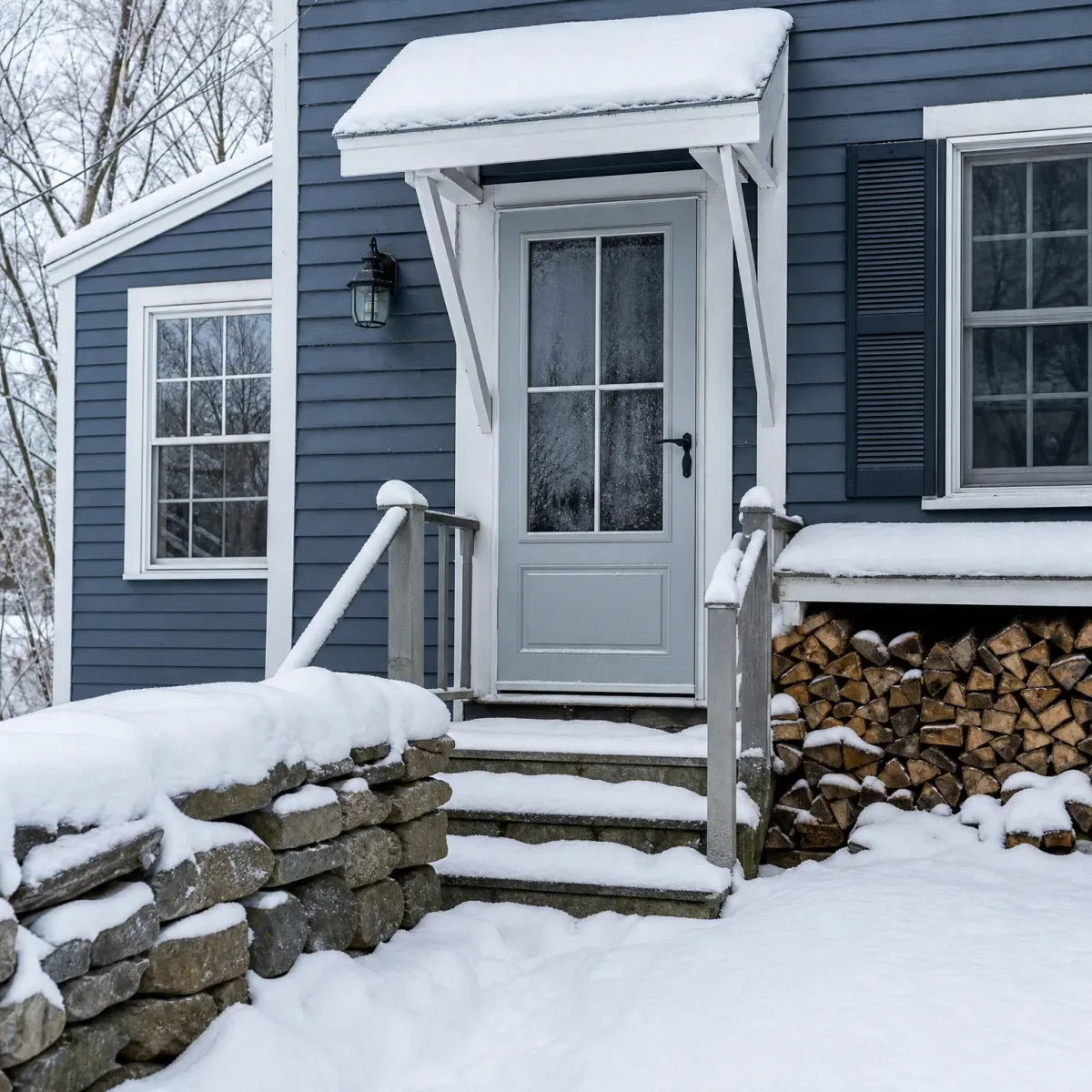
Snow-covered entrance of a blue clapboard house with a white door under a small roof, stone steps with railings, a stone retaining wall, and a stacked firewood pile.

What each one costs to run, and what that means for the two of them

At New York's average prices, a gas furnace makes 100,000 Btu of heat for $2.00. An oil furnace makes the same heat for $2.78. A heat pump, figured at its federal minimum rating with no backup heat added in, comes to $3.26. Gas is cheapest, then oil, then the heat pump, in that order.

That heat pump number is the best case for it: a unit built to just the minimum standard, no backup heat counted at all. Run one of the nights below freezing, which is most of them here, and the real cost climbs above $3.26, by however much backup heat it has to lean on.

Utility gas already heats 41% of homes in this county, about two in five, more than any other fuel. Propane heats another 22%, oil 10%, and electric heat today sits at 15.4%. If gas runs to your house, it's the cheapest of the three fuels to heat with here, and the one already most common in this county.

None of this touches cooling, and that's where the heat pump's case gets simpler. It runs both ways, so the same unit that struggles on the coldest nights is also your air conditioner for July and August, no second system needed. A furnace only heats. For those two months it does nothing, same as it does nothing for four months of the year outright. If you already have central air, or you're pricing that in anyway, a heat pump buys you both jobs in one box, and a cold-climate model closes most of the gap on the other eight.

Sources: NOAA nClimDiv · NOAA 1991–2020 seasonal normals · PNNL Building America guide · PNNL-37127 field study · ENERGY STAR product criteria · EIA SEDS 2024 · 10 CFR 430.32 · Census ACS 2020–2024

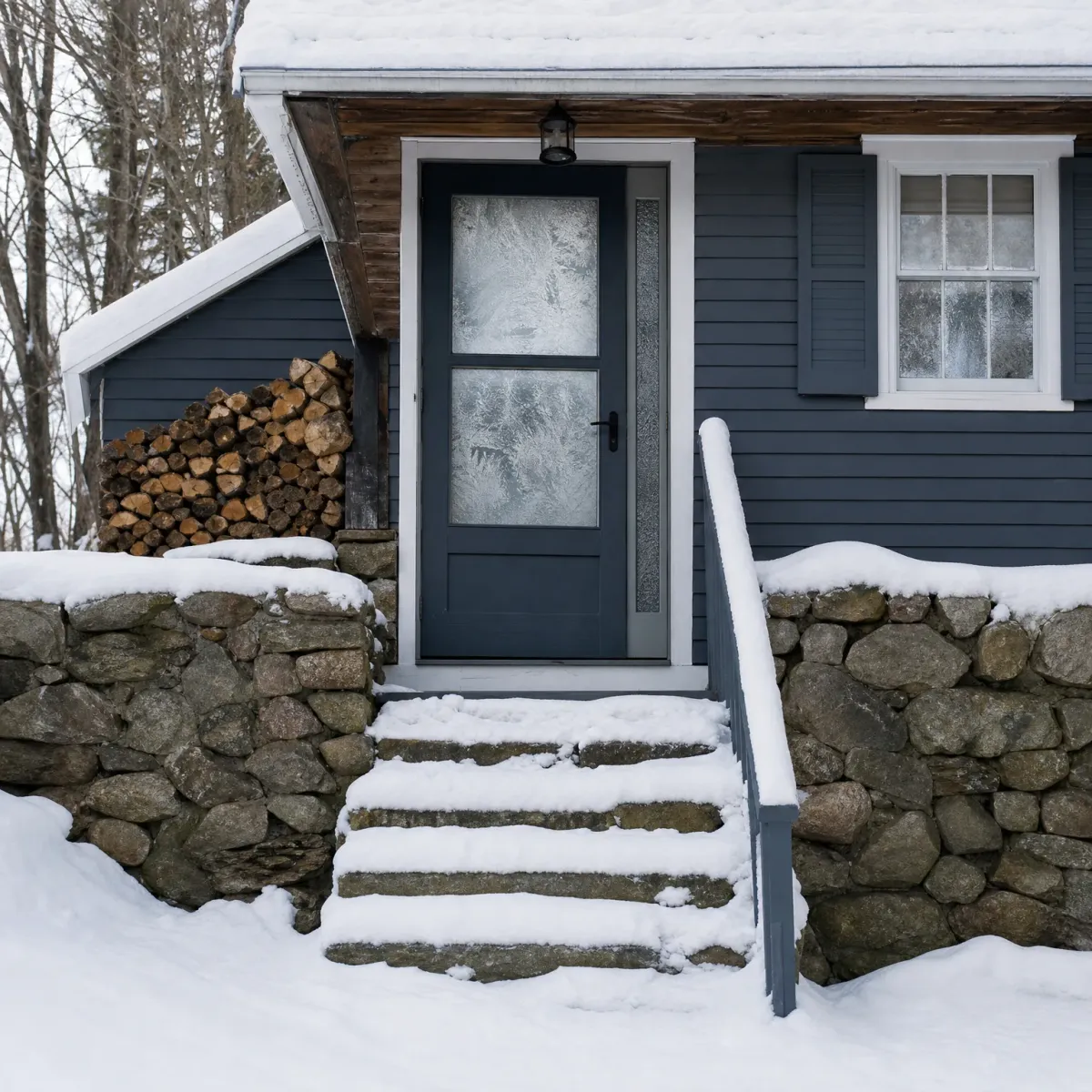
Snow-covered stone steps with a metal handrail lead to the dark blue entry door of a gray clapboard house, with a stacked woodpile and stone retaining walls on either side.

Common questions about heat pumps and furnaces

  • Can a heat pump heat a house through a New York winter?

    It can, but not alone in most cases. The overnight low here averages 17°F across December, January and February, well below the 40°F mark where a standard heat pump's output starts falling short of its rating. A cold-climate model with the ENERGY STAR rating holds up better in deep cold, but a standard heat pump in an Oswego County winter needs another heat source to back it up.

  • Do I need backup heat with a heat pump here?

    Most homeowners here need it. The average winter low is 17°F, and a standard heat pump often needs backup once it's below about 35°F outside, a mark this county falls under on more than half its winter nights. If the heat pump carries a cold-climate rating it will lean on backup less, but with 9 nights a year reaching 0°F, most homes still want a furnace or similar system in reserve.

  • Can I keep my furnace and add a heat pump?

    Yes, and here that often makes sense. The furnace stays as backup for the nights a heat pump can't keep up on its own, and the heat pump carries the milder stretches of the eight months the heat runs. A standard heat pump's output falls short of its rating below 40°F and it often needs backup below about 35°F, so the furnace isn't standing idle, it's doing the job on the coldest nights, including the 9 or so a year that hit 0°F.

  • Is a heat pump cheaper to run than a furnace in Oswego County?

    No, a furnace costs less to run here. A gas furnace makes 100,000 Btu of heat for $2.00 at New York's prices, against $3.26 for a heat pump, and an oil furnace comes in at $2.78, also cheaper than the heat pump. The heat pump's number assumes no backup heat is needed, so on the cold nights here it runs higher still.