Gas here runs $16.03 per million Btu
New York homes paid $16.03 per million Btu of natural gas in 2024. A furnace that wastes heat burns through more gas to make up for it, and that shows up on every bill all winter.
Takes about a minute. No obligation.
New York homes paid $16.03 per million Btu of natural gas in 2024. A furnace that wastes heat burns through more gas to make up for it, and that shows up on every bill all winter.
Two furnaces can heat the same house and burn different amounts of gas doing it. When gas costs this much, the AFUE rating on the unit you pick is worth asking about before installation, not after.
NOAA nClimDiv, 1991–2020 normals
Utility gas heats 53.6% of homes in Wayne County, more than any other fuel.
For most homes here, a gas furnace is the straightforward replacement, matched to the gas line already in place.




Half the homes in Wayne County were built in 1968 or earlier. A furnace going into one of those houses isn't always replacing a unit from the same era, but the ductwork and venting it ties into often are original to the house. Sizing matters more here than in new construction, where the builder picked a furnace to match known specs. In an older home, nobody sized the ductwork for the furnace you're installing today. That's worth a load calculation rather than a straight swap for whatever size was there before.
Power costs more here, so an efficient system pays you back on every bill.
Find a contractorA furnace sized for eight months of work a year needs to be sized right from the start. That means a load calculation for this house, not a guess based on the old unit's size or the square footage alone. The AFUE rating matters too, since every one of those eight months runs through this same system. Get both right before the install, because a furnace in the ground is hard to resize later.
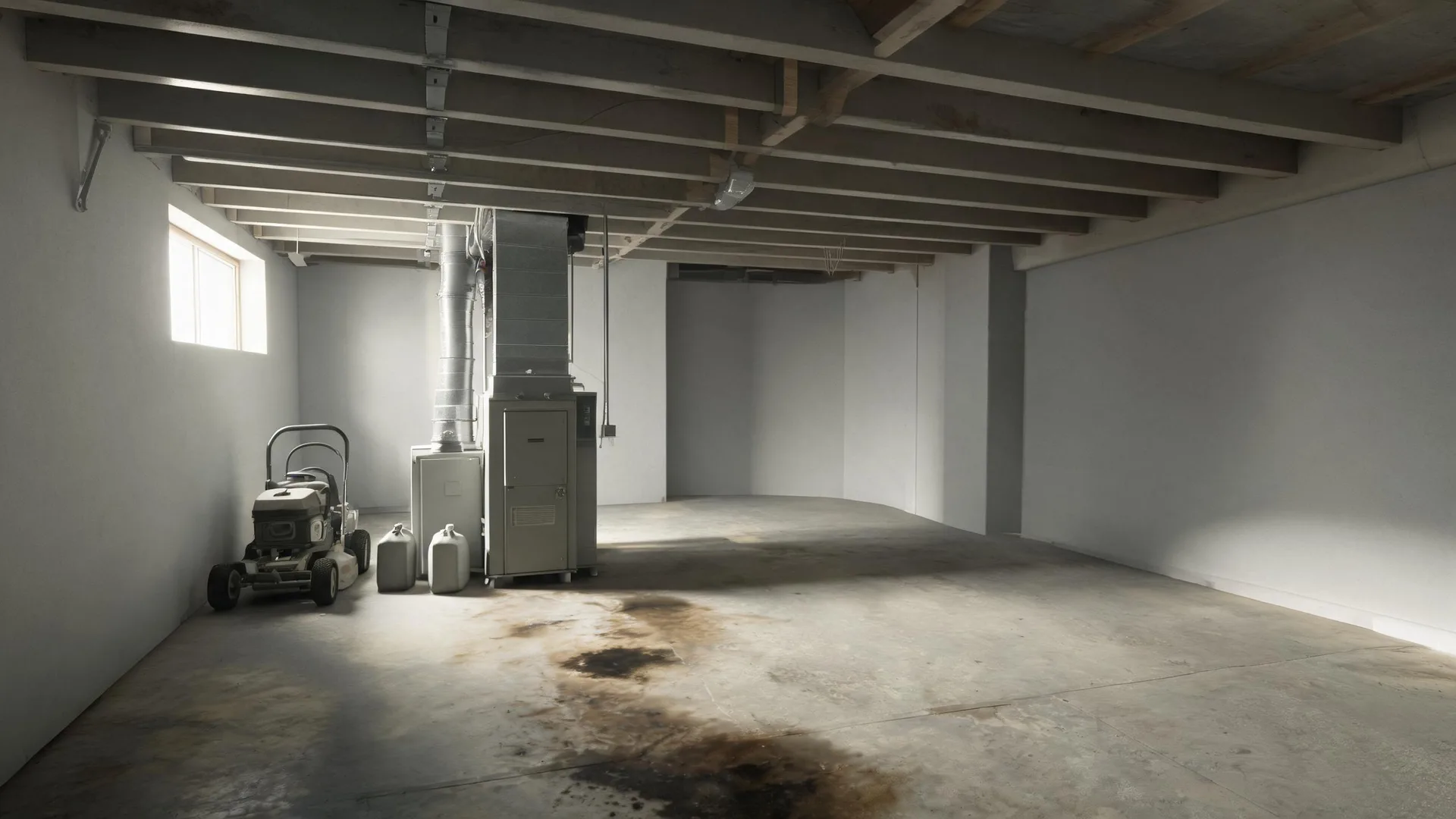
A furnace install isn't just setting the new unit next to the old one and swapping connections. The old furnace gets disconnected from the gas line, the vent, the return and supply plenums, and the electrical, then it comes out of the house whole or in pieces if it has to. The space gets checked before anything new goes in, since the old unit may have been venting or drawing combustion air in a way the new one won't.
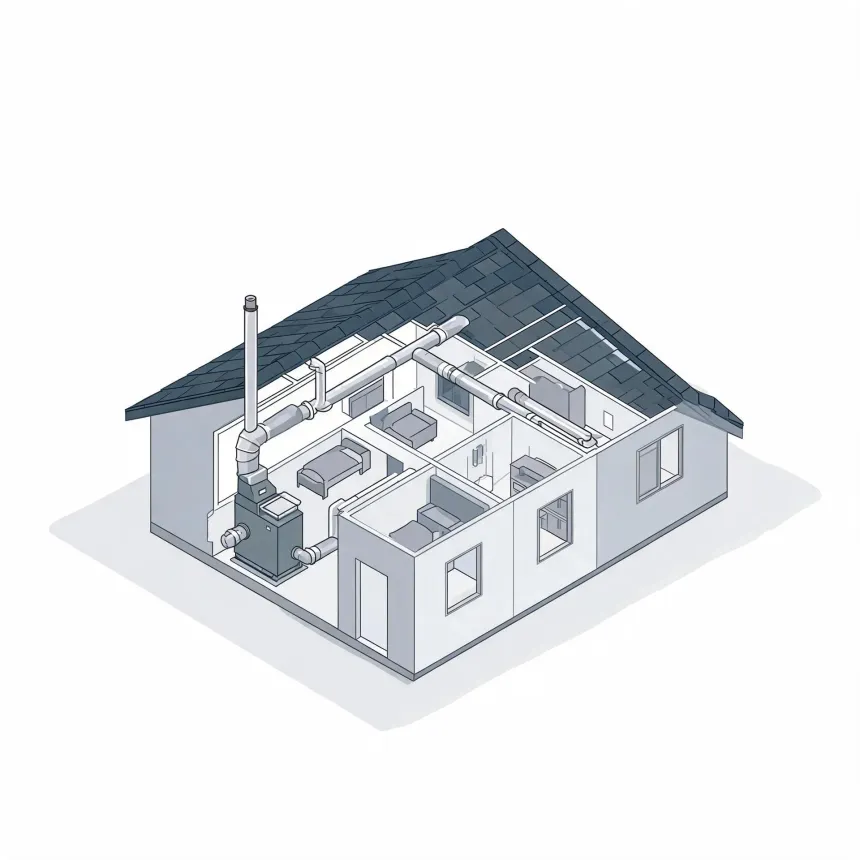
The ductwork and gas line usually stay, assuming they check out, but the venting often doesn't carry over as is. A high efficiency furnace vents differently than a standing pilot or an older gas unit, sometimes needing a different vent material and route entirely. Whatever gets disconnected from the old system, whether it's the thermostat wiring or the condensate path, gets inspected rather than assumed to still fit.
Estimates for a typical Wayne County home, from EIA household energy data, New York fuel prices and NOAA climate normals. Your home will differ.
On install day, the old furnace has to come out before anything else gets measured or cut. Once it's clear, the installer checks the plenum opening, the gas line location and the vent path against the new unit's specs, because those rarely line up exactly even with a same-brand replacement. Sheet metal gets cut and fitted to close any gap between the new furnace's cabinet and the existing ductwork. The gas line gets pressure tested after it's reconnected, not just hand-tightened and trusted. Once the furnace is set, wired and vented, it gets fired up and run through a full cycle while the installer checks the flame, the temperature rise and the draft before calling it finished.