




An unfinished concrete basement containing a gas furnace with sheet-metal ductwork, utility shelving, and exposed overhead joists.

Furnace Installation in Massena, NY

Tell us about the job

Takes about a minute. No obligation.

New system or replacementFurnace or heatingSt. Lawrence County, NY
Step 1 of 2

What ZIP code is the job in?

Natural gas in New York ran $16.03 per million Btu in 2024, among the higher rates in the country. A furnace with a low AFUE rating wastes a chunk of every dollar of that straight out the flue. When you're replacing a furnace here, the efficiency rating on the unit matters more than it would somewhere gas is cheap, because this state charges you more for every therm the old one wasted. Ask what AFUE rating a new furnace carries before you decide. It is the one number that tells you how much of the gas you are buying actually heats your house.

9 months
September through May, your furnace is on duty
11°F
the average winter night it heats against
80% AFUE
the federal minimum any new unit must meet
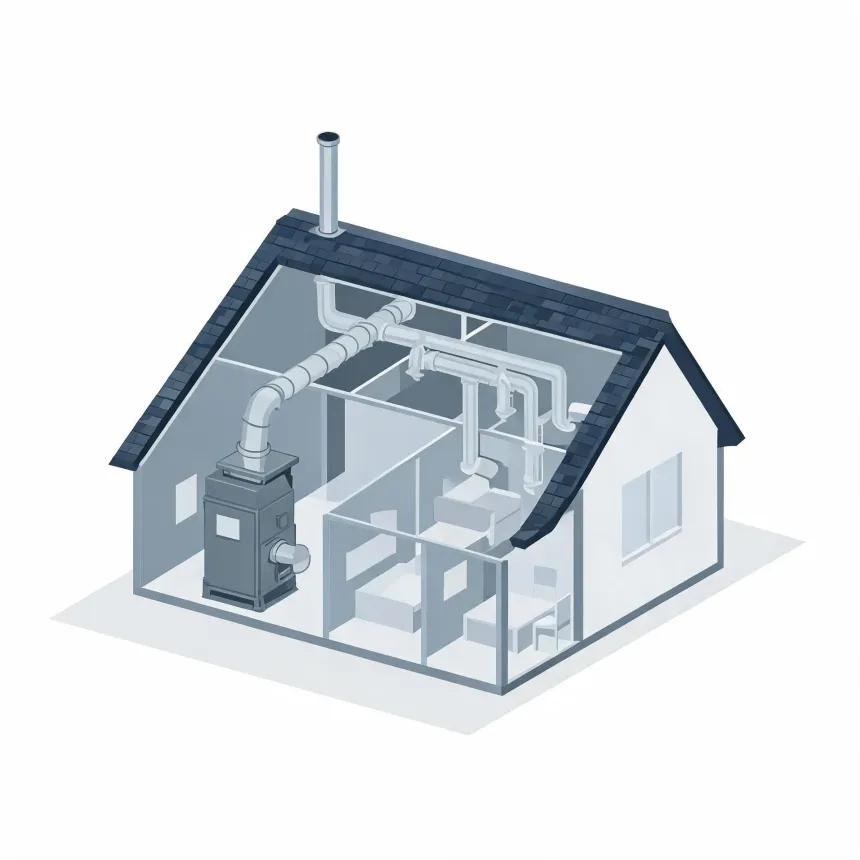
Isometric cutaway illustration of a small house showing a gray furnace unit with a flue pipe through the roof and branching ductwork running to rooms with simple furniture.
Your furnace works hardest from November through March.

NOAA nClimDiv, 1991–2020 normals

Furnaces with the same AFUE rating can still heat a house differently.

Ask what size the contractor calculated for your house, not what size the old furnace happened to be.

Gas heats a third of the homes in St. Lawrence County, more than any other fuel

33.5% of homes heat with gas
Climate zone 6A
Heat runs September through May

Half the homes in St. Lawrence County were built in 1964 or earlier. A furnace going into a house that old is going into a house that wasn't built with modern duct layouts or insulation standards in mind. That doesn't mean the furnace has to be oversized to make up for it. It means the sizing calculation needs to account for the house as it actually is, not as a standard formula assumes. A contractor who sizes a furnace off square footage alone, without looking at the age of the place, is guessing. Ask whether the calculation accounted for your home's age, not just its size.

Replace it in August, and heat starts on a furnace you chose

Heat runs here from September through May. August is the last month before that starts. Replacing a furnace in August means it gets picked and sized on your schedule, not decided in a rush the first cold week of September when a contractor's calendar is already full.

Find a contractor
A man in a dark long-sleeved shirt and brown pants walks up concrete steps toward a dark blue front door, carrying a canvas tool bag with tools in it, beside a potted shrub.
A gray residential gas furnace installed in an unfinished basement, connected to sheet-metal ductwork and PVC pipes.

The old furnace doesn't linger once the new one goes in

The old furnace does not get reused or stored as a backup. Once the new one is set, the installer disconnects the gas line, the vent connection and the return and supply ducts, then takes the whole cabinet out the way it came in. A furnace that has run for years has a cracked heat exchanger more often than people expect, or a blower motor that is seizing up, and neither is worth salvaging. The ductwork usually stays. If the new furnace is a different size or a different stage of heat, the installer checks that the existing ducts can still deliver enough air, and adjusts the plenum connection if they can't. The thermostat almost always gets swapped too, since a new furnace with multi-stage heat or a variable-speed blower needs a thermostat that can actually talk to it. None of this is work you do after the fact. It happens the same day, as part of pulling the old unit and setting the new one in its place.

A furnace too big cycles on and off before the house evens out

An oversized furnace reaches the thermostat's setting fast, shuts off, then starts again a few minutes later because the far rooms never caught up. That short cycling wears the ignition system and the blower motor harder than a full, steady run would, and it leaves cold spots in the rooms farthest from the supply vents.

Sizing comes from a room by room heat loss calculation

A contractor measures each room, checks the windows and the walls that face outside, and figures out how much heat escapes from each one before adding it all up. That total, not the square footage of the house and not the size of the furnace being replaced, is what decides the size of the new one.

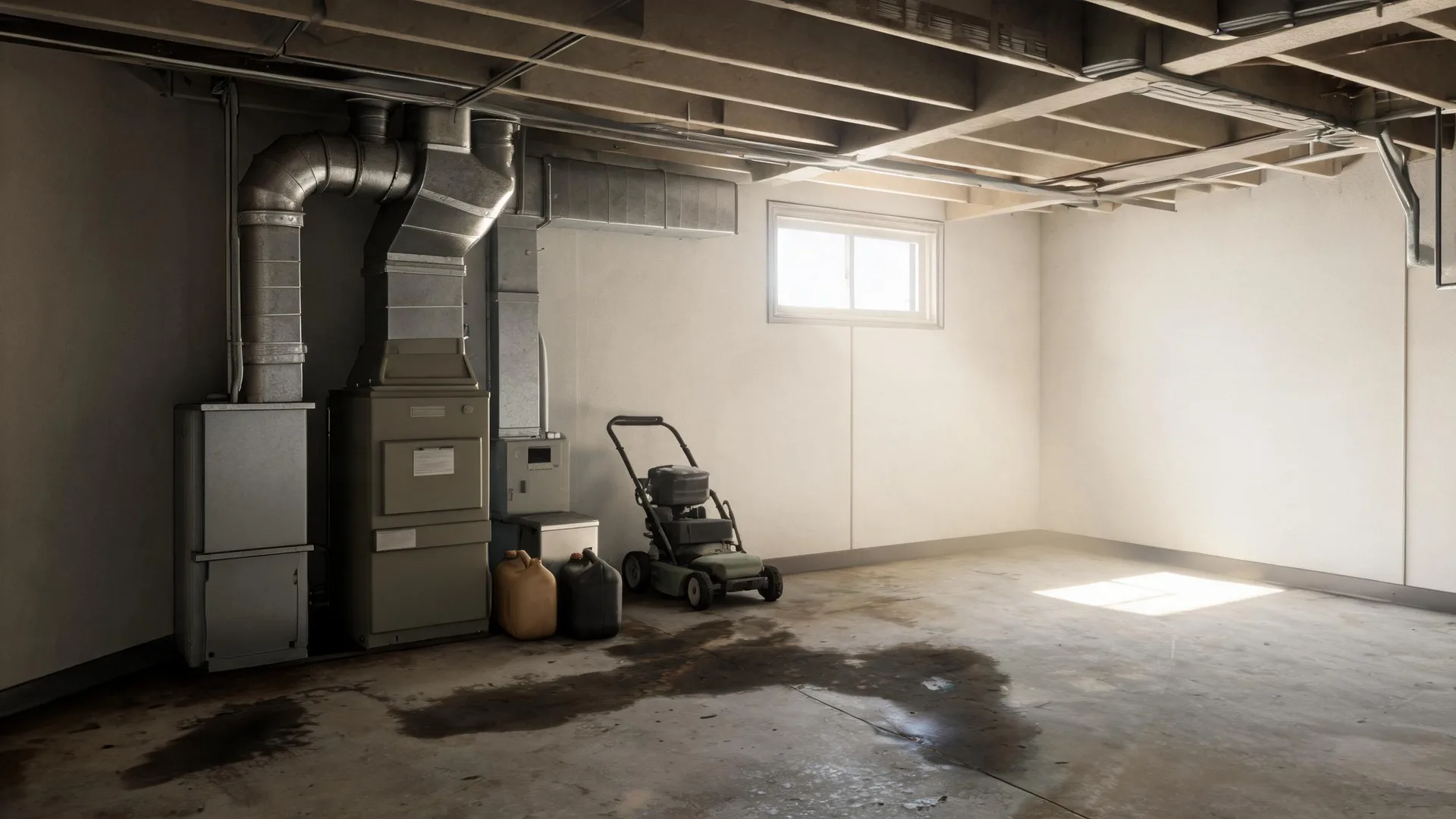
An unfinished basement containing a gray HVAC furnace with ductwork, exposed wooden joists, a concrete floor, and miscellaneous clutter in one corner.

A high-efficiency gas furnace would save about $180 a year to run in St. Lawrence County compared with a gas furnace.

  • A high-efficiency gas furnace$840 a year
  • A gas furnace$1,020 a year

Estimates for a typical St. Lawrence County home, from EIA household energy data, New York fuel prices and NOAA climate normals. Your home will differ.

Installation day starts with the old furnace coming out, and most of what happens next depends on whether the new one is the same size and stage as the old or something different. If the gas line and vent connection line up with the new unit, the installer sets it, connects the ducts, and moves on to startup checks. If the new furnace is a different height or width, there's often sheet metal work to make the plenum fit, and that takes longer than the furnace swap itself. Once it's connected, the installer checks gas pressure at the manifold, confirms the vent is pitched right so exhaust actually leaves the house, and lets the system run through a full cycle to watch how the burners light and how the blower ramps up. Airflow gets checked at the vents, since a furnace can be wired correctly and still move less air than it should if a duct run is restricted. The last step is almost always the thermostat, programmed and tested so it's actually talking to the new equipment before anyone leaves.