





An unfinished concrete basement containing a metal HVAC air handler, exposed wooden ceiling joists with sheet-metal ducts, a hanging bare bulb, copper pipes, and stacked cardboard boxes.

Furnace Installation in Manhattan, NY

Tell us about the job

Takes about a minute. No obligation.

New system or replacementFurnace or heatingNew York County, NY
Step 1 of 2

What ZIP code is the job in?

Gas heats close to half the homes in Manhattan, more than any other fuel. Electric heat comes in second, with oil and kerosene still running a share of older buildings. If gas already serves your building, a new furnace matching that setup is usually the straightforward call, since the gas line and venting are already in place. Buildings on electric or oil follow their own path, and a contractor can walk through what your current setup allows before anything gets swapped out.

7 months
October through April, your furnace is on duty
28°F
the average winter night it heats against
80% AFUE
the federal minimum any new unit must meet
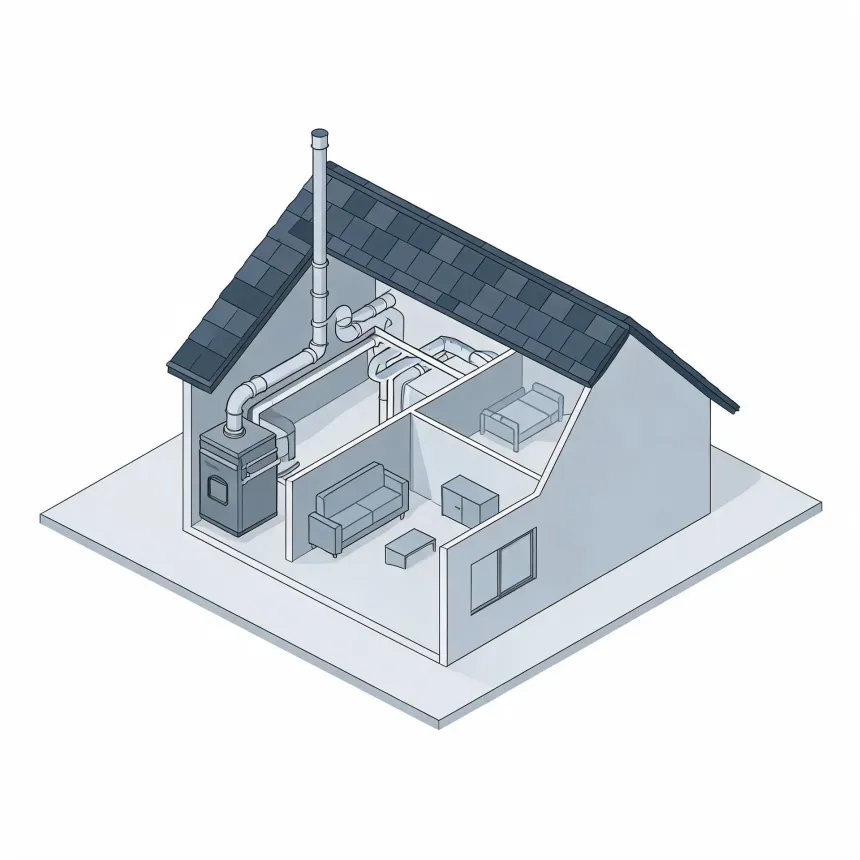
Isometric cutaway illustration of a small gabled house showing a furnace with flue pipe and ductwork connecting to interior rooms containing a sofa, bed, and cabinets.
Your furnace works hardest from November through March.

NOAA nClimDiv, 1991–2020 normals

Half the homes in Manhattan went up in 1951 or earlier.

A furnace going into a building that old has to work with the gas line and venting already there, not some standard setup.

September is the month to get this done, before heat switches on in October

Heat runs October through April
Climate zone 4A
Winter nights average 28°F

Furnace sizing here comes down to the same load calculation a contractor runs anywhere. Seven months of heat a year and winter lows averaging 28°F are well within what a standard furnace handles without needing extra capacity. There's no case in Manhattan for oversizing a unit or paying for a higher efficiency tier than you would elsewhere. The winter storms this county sees from time to time call for a furnace that starts reliably when the power and gas are working, not a bigger one. A properly sized standard furnace does that job.

A standard furnace, sized right, is the call here

Gas here runs $16.03 per million Btu, so a standard furnace installed right costs less to run than the price tag alone suggests. Get the sizing and the fit right before heat season starts.

Find a contractor
A man in a dark shirt and brown work pants, seen from behind, carries a worn canvas tool bag up porch steps toward a dark front door, with a potted shrub to the right.
A gray residential gas furnace installed in an unfinished basement, connected to sheet-metal ductwork and PVC pipes.

The install has to work with what's already there

Before anything goes in, a contractor has to check what size will actually fit where the old one sat, and whether the venting run still meets code. Buildings from this era weren't built around a load calculation. The furnace that's coming out may have been oversized or undersized for the space from day one, so matching the new unit to the old one isn't the goal. Matching it to the house is.

The venting dictates more than the furnace does

A furnace has to vent a certain way depending on its efficiency tier, and that means pipe, not just a flue. If the venting has to be rerouted through walls or up through the roof, that work drives the job more than the unit sitting on the invoice.

The ductwork is either ready or it isn't

A furnace moves air through the ducts already in the building. If the trunk line and returns are sized for the new furnace's airflow, the install is straightforward. If they're not, a contractor has to modify or add ductwork before the furnace can do its job, and that work costs more than the furnace itself.

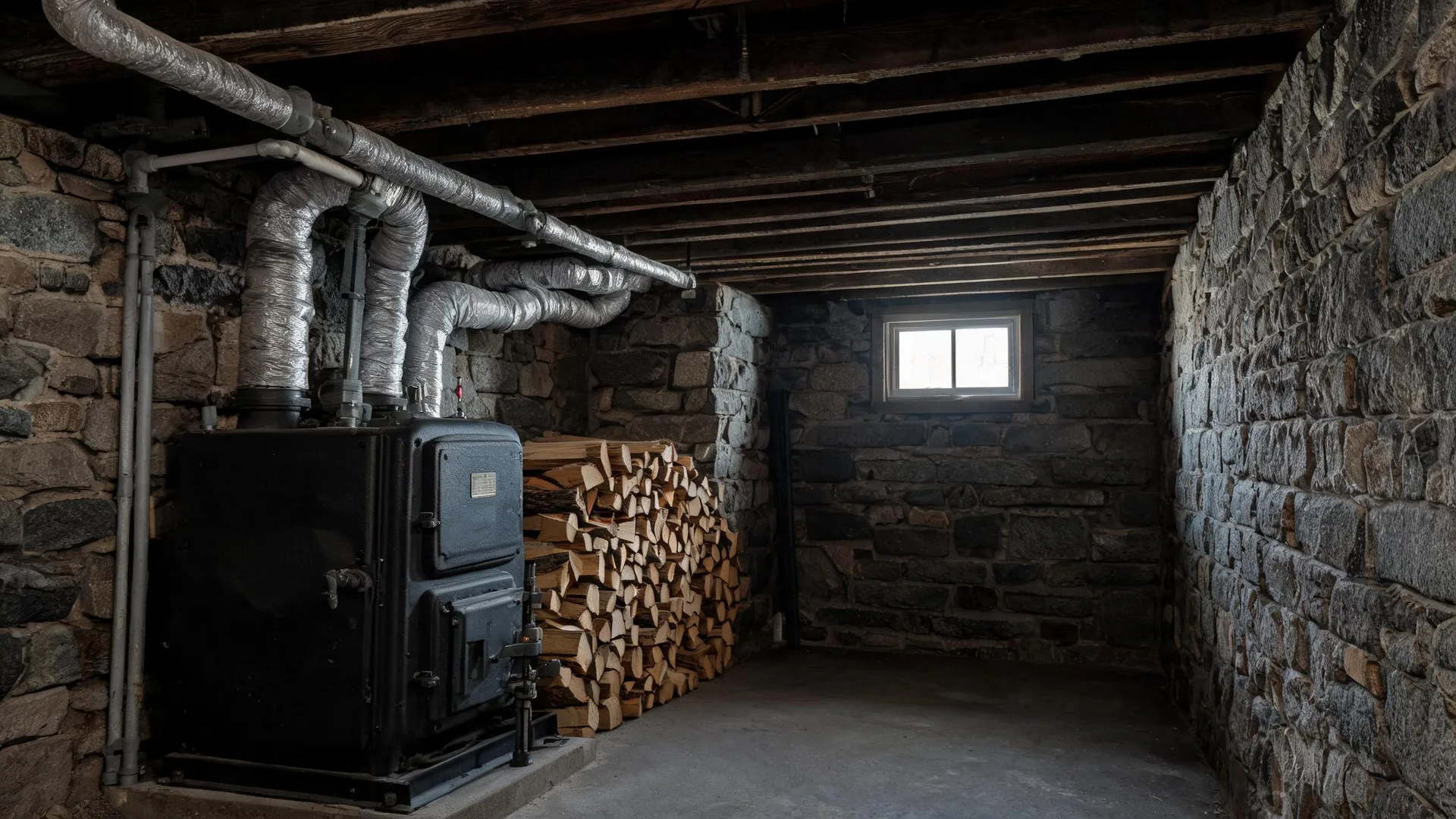
A bare concrete basement containing a gray gas furnace with metal ductwork and a vertical flue pipe, lit by a single hanging bulb.

A high-efficiency gas furnace would save about $100 a year to run in New York County compared with a gas furnace.

  • A high-efficiency gas furnace$500 a year
  • A gas furnace$600 a year

Estimates for a typical New York County home, from EIA household energy data, New York fuel prices and NOAA climate normals. Your home will differ.

Install day starts with the old furnace coming out. That alone can take a while if it's wedged into a tight closet or crawlspace. Once it's out, the contractor checks the gas line, the venting and the electrical before setting the new unit in place, since any of those can hold up the rest of the job. Setting the furnace and connecting the ducts is usually the fastest part of the day. Testing takes longer. The contractor checks gas pressure, watches how the flame looks, runs the blower and makes sure the thermostat is talking to the new unit. They also check for gas leaks and proper draft before signing off, since a furnace that vents wrong can pull combustion gases back into the house instead of sending them outside. By the end of the day the heat should be running, with the contractor walking through the thermostat settings before they leave.