Gas is the common fuel here
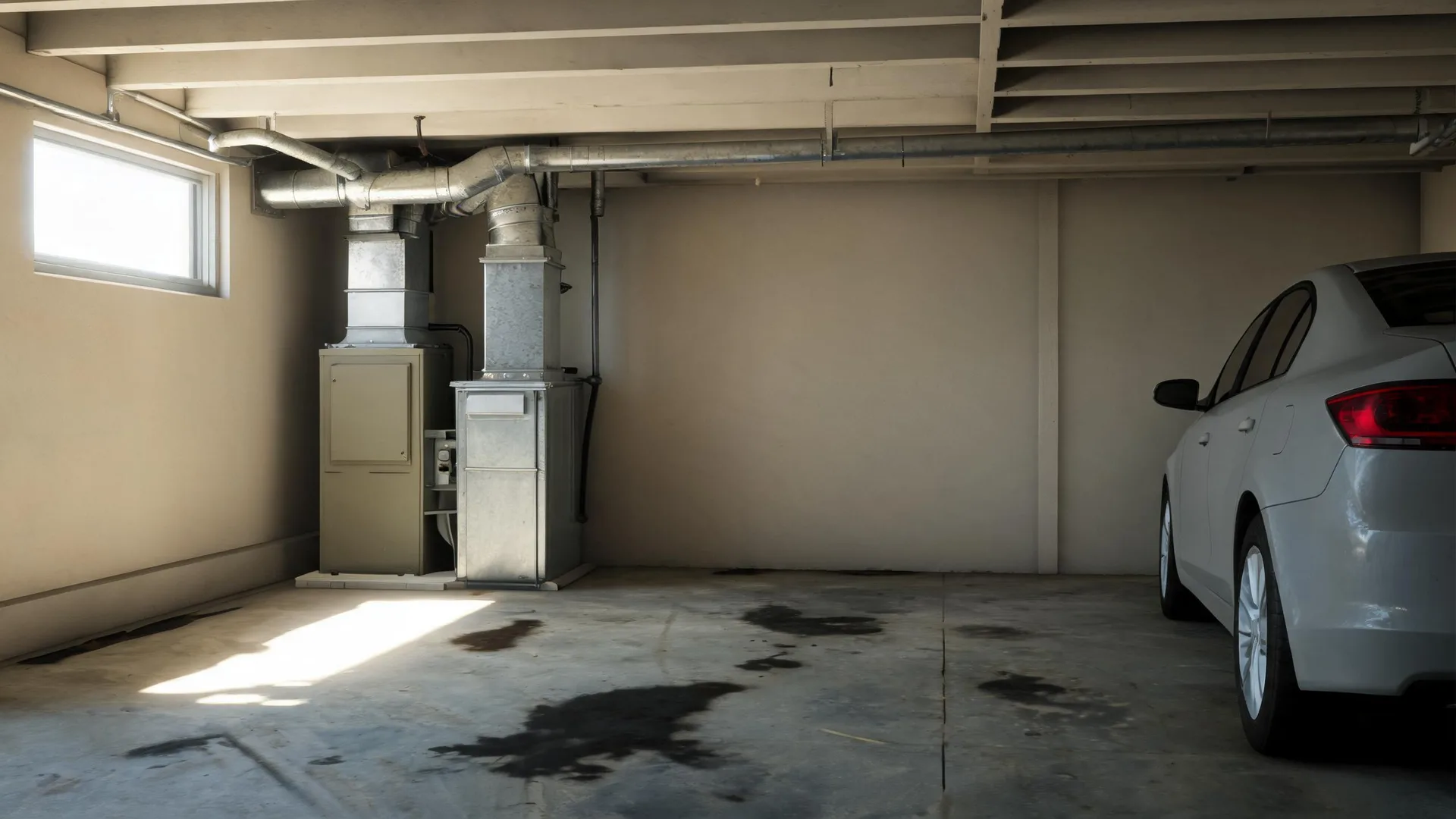
Utility gas heats 47.6% of homes in Orange County, more than any other fuel. A gas furnace is the system most homes around Kiryas Joel already have set up for, with a gas line run to the mechanical room.
Takes about a minute. No obligation.
Utility gas heats 47.6% of homes in Orange County, more than any other fuel. A gas furnace is the system most homes around Kiryas Joel already have set up for, with a gas line run to the mechanical room.
If gas already feeds your house, putting in a new gas furnace means the installer works with lines and venting that are already there. That's a simpler job than switching fuels, and it's why most replacements here stay gas.

NOAA nClimDiv, 1991–2020 normals
Half the homes in Orange County were built in 1975 or earlier, half later.
A furnace sized to your square footage and insulation works the same in either one.



Orange County gets its share of rough weather. Damaging wind has hit 155 times over the past decade, with winter storms, hail and the occasional tornado on top of that. None of it changes what furnace your house needs. A standard size and efficiency rating, matched to your square footage, handles winter here the same way it would anywhere else in this climate zone. What that weather does affect is power, and a gas furnace still needs electricity to run its blower and controls even with gas heating the house. That's worth asking your installer about. It isn't a reason to size up.
Furnaces sold here have to meet 80.0 percent AFUE at minimum, the federal standard for this region. Install one that size or go higher efficiency if you want, but nothing less is on the table. A furnace meeting that minimum, sized right for your house, also qualifies for a federal tax credit.
Find a contractorHeat runs here from October through May, about eight months a year. If your furnace is old or already giving you trouble, September is the month to deal with it. Wait until the first cold snap and you're choosing from whoever can get a crew out that week, on whatever unit they have on hand. Handle it in September and the choice is yours instead.
The installer shuts off gas and power to the old unit, disconnects the vent and ductwork, and removes it from the mechanical room before the new furnace goes in. The gas line and vent get checked over since the new furnace will use them too.
If the furnace shares a vent with a water heater, swapping in a new furnace changes what's moving through that flue. The installer has to confirm the water heater still vents properly once the new furnace is connected, not just assume the old setup still works.
Estimates for a typical Orange County home, from EIA household energy data, New York fuel prices and NOAA climate normals. Your home will differ.
Installation day starts with the old unit coming out and the new one going into place, then the real work begins. The installer connects the gas line, ties into the vent, and hooks the ductwork back up. Wiring the thermostat and control board comes next, since those tell the furnace when to fire and how hard to run. Once it's together, the installer fires it up and checks the flame, looking for a steady even burn rather than one that's yellow or flickering. Gas pressure gets checked at this point too, since a furnace can be wired and vented correctly and still be fed too much or too little gas. Temperature rise across the heat exchanger gets measured as well, because that number says whether the furnace is actually sized to the ductwork it's tied into. A furnace can look finished and still be set up wrong, so that check is what tells the installer the job is done right, not just done.