




A row of illuminated white colonial houses along a road photographed at dusk.

Furnace Installation in Hempstead, NY

Tell us about the job

Takes about a minute. No obligation.

New system or replacementFurnace or heatingNassau County, NY
Step 1 of 2

What ZIP code is the job in?

Gas heats 62.4% of homes in Nassau County, more than any other fuel. Fuel oil comes next, then electricity and propane well behind. If your old furnace burns gas, putting in another gas furnace is usually the straightforward call. The gas line, the venting, the layout your contractor needs to work with are already there. Switching fuels on a furnace install means changing more than the furnace, and that's a bigger conversation.

8 months
October through May, your furnace is on duty
28°F
the average winter night it heats against
62%
of homes here heat with gas, so most furnaces here burn gas
80% AFUE
the federal minimum any new unit must meet
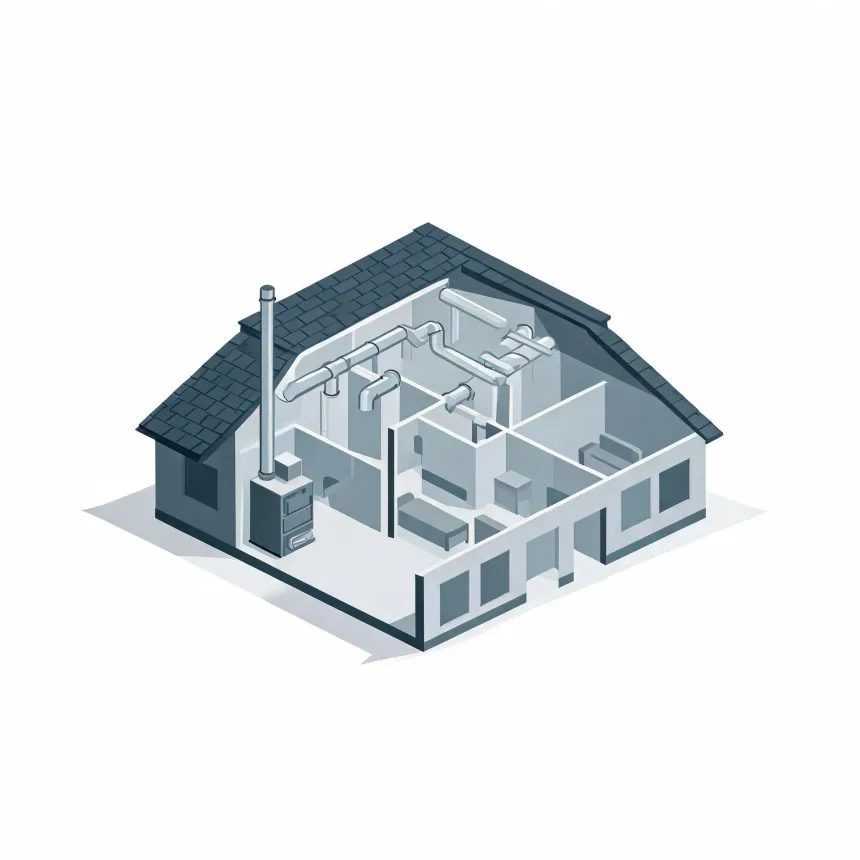
Isometric grayscale illustration of a cutaway house showing interior rooms, ceiling ductwork, a flue pipe, and a furnace unit on the left side.
Your furnace works hardest from November through March.

NOAA nClimDiv, 1991–2020 normals

Half the homes in Hempstead were built in 1955 or earlier.

A furnace going into a house that old has to work with the ducts and layout already there, not some standard setup.

Eight months of heat starting in October means September is when to get this done

Heat runs October through May
Climate zone 4A
Winter nights average 28°F

Gas here runs $16.03 per million Btu, on the high side for the country. That changes the math on a high-efficiency furnace. The more efficient model burns less gas, but at this price the extra it costs upfront takes longer to earn back. Fit matters more than the efficiency number on the sticker. A furnace sized right for your house, venting correctly through whatever's already in place, will serve you better than one bought for a payback that takes years to show up.

A standard furnace, sized right, handles what Hempstead winters bring

Heat runs eight months a year here, and overnight lows average 28 degrees across December, January and February. That's steady, ordinary work for a standard furnace sized right for your house. There's no local reason to size up or pay for the top efficiency tier. Get the sizing and the fit right, and it'll handle what the season brings.

Find a contractor
A gray high-efficiency gas furnace installed in an unfinished basement, surrounded by gas lines, a condensate drain, and sheet-metal ductwork.

The furnace itself is one cost. What it hooks up to is another.

Cabinet size drives part of the price. A bigger house or a longer duct run needs a furnace that can move air further, and that costs more than a unit sized for a small space. The heat exchanger matters too. Some furnaces run a single stage, on or off with nothing in between. Others modulate, stepping output up and down to match the load, and that kind of control costs more to build and more to install correctly. Venting adds to the job depending on what's already in place. A furnace that vents through an existing chimney or sidewall is a simpler hookup than one that needs new venting run from scratch. Ductwork is often the biggest variable. If what's there is sized right and in good shape, the new furnace connects to it and the job stays straightforward. If the ducts are undersized, leaky, or routed in a way that no longer makes sense, bringing them up to match the new furnace takes real work, and that shows up in the price before the furnace itself is even factored in.

The old furnace gets disconnected and hauled out

The gas line gets capped off, the vent connector comes apart, and the old furnace gets disconnected from the ductwork and the electrical. Once it's loose, it comes out as one piece or gets cut down if it has to come out through a tight spot. A contractor should haul it away as part of the job. It doesn't get left behind for the homeowner to deal with.

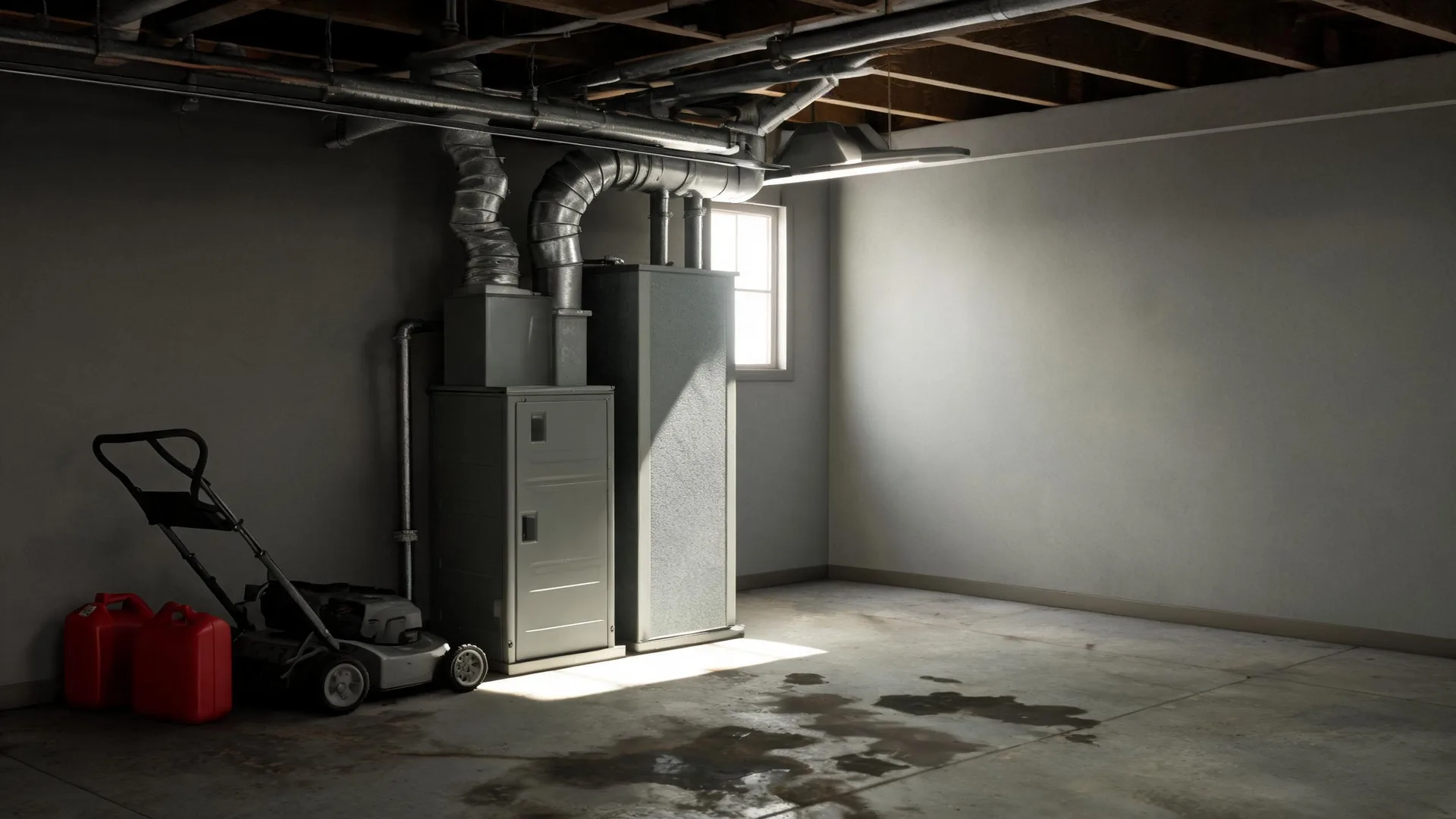
The cabinet coming out shows what the new one has to match

Pulling the old furnace open up the space it sat in, and that's worth a look before the new one goes in. The duct connections, the gas line, the vent, the electrical, all of it was built around the furnace that's coming out. Whatever goes in has to connect to those same points, so the condition of each one matters as much as the new furnace itself.

An unfinished basement featuring a forced-air furnace, exposed wooden ceiling joists, bare concrete walls, and miscellaneous items including cardboard boxes and coiled cables on the floor.

A high-efficiency gas furnace would save about $110 a year to run in Nassau County compared with a gas furnace.

  • A high-efficiency gas furnace$520 a year
  • A gas furnace$630 a year

Estimates for a typical Nassau County home, from EIA household energy data, New York fuel prices and NOAA climate normals. Your home will differ.

The new furnace gets set in place and leveled before anything gets connected. Gas line, vent connector, ductwork, electrical, each one gets hooked up and then checked, not just hooked up. Once it's running, a contractor should check the gas pressure at the manifold and adjust it if it's off. Static pressure in the ductwork gets checked too, because a furnace moving the wrong amount of air will run louder or shut off before it should. Combustion gets checked last, with the panels back on and the furnace running the way it will every day after. A furnace that's connected but never tested is a guess, not a finished job.