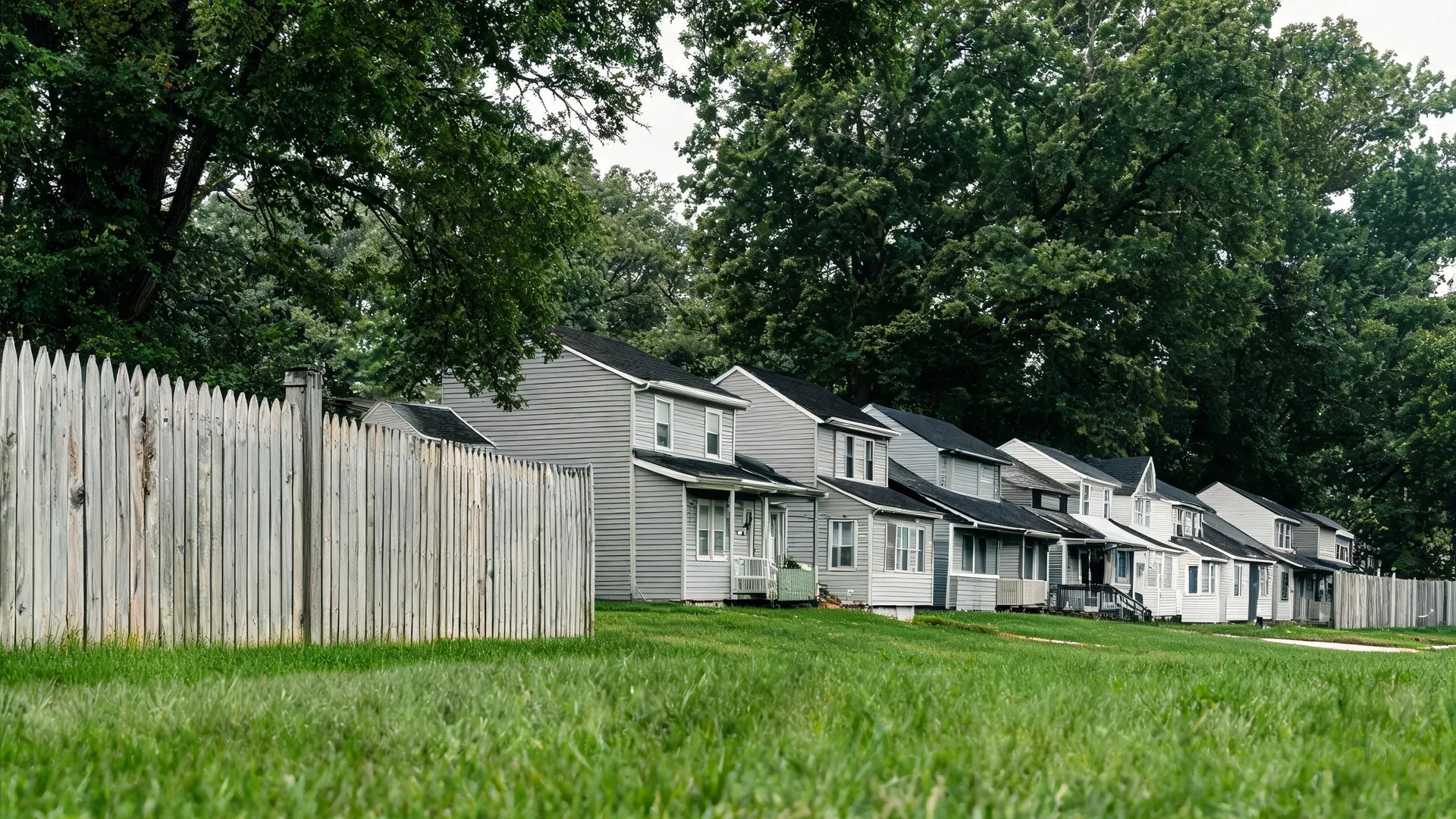
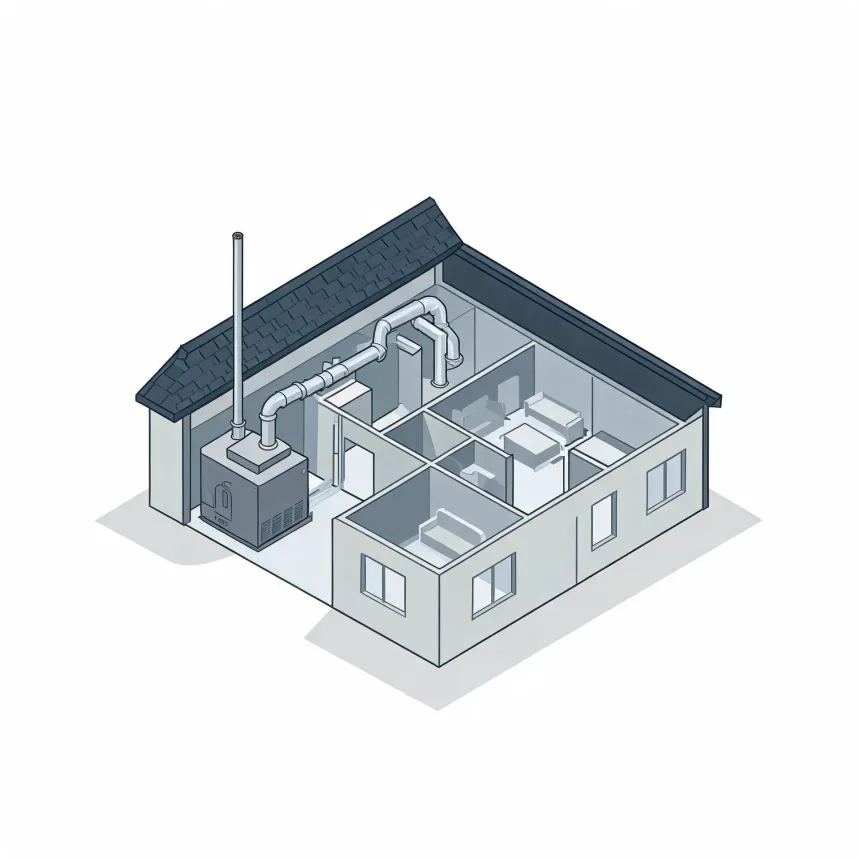





A row of gray vinyl-sided two-story houses set back behind a mowed grass lawn, with a weathered wooden stockade fence on the left and large deciduous trees behind.

Furnace Installation in Elmira, NY

Tell us about the job

Takes about a minute. No obligation.

New system or replacementFurnace or heatingChemung County, NY
Step 1 of 2

What ZIP code is the job in?

Half the homes in Chemung County were built in 1955 or earlier. A furnace going into one of these houses has to work with whatever ductwork and venting the home already has, not the other way around. That matters when you're sizing a new system or picking where it vents. An installer should look at your actual house before quoting anything, not just swap in whatever size was there before.

8 months
October through May, your furnace is on duty
18°F
the average winter night it heats against
69%
of homes here heat with gas, so most furnaces here burn gas
80% AFUE
the federal minimum any new unit must meet
Isometric grayscale illustration of a cutaway single-story house showing interior rooms with furniture, plus an exterior furnace unit with a tall flue pipe and ducting running into the attic space.
Your furnace works hardest from November through March.

NOAA nClimDiv, 1991–2020 normals

A bigger furnace isn't a better furnace.

Ask what load calculation they ran on your house, not what size they're used to installing.

Most of Elmira heats with gas, so a gas furnace is the straightforward replacement

69.2% of homes heat with gas
Climate zone 5A
Heat runs October through May

Furnace here runs eight months a year, October through May. That overnight average of 18 in December, January and February is the load it's sizing against, not the mild days on either end. A furnace sized off square footage alone can end up undersized for what this place actually asks of it, and one that's undersized runs longer and harder to keep up. The fix isn't buying the biggest unit on the lot. It's a load calculation that accounts for how many months this furnace actually works and how cold it gets when it matters most.

Get it in before October, while it's still your call

September is the last quiet month before heat goes on here. Have a new furnace in by then and installing it is a straightforward job on your timeline. Wait past October and you're choosing a system on the day you need it most.

Find a contractor
A man in a cap, dark shirt and tan pants, seen from behind carrying a canvas bag, climbs wooden porch steps toward a blue front door beside a potted evergreen.
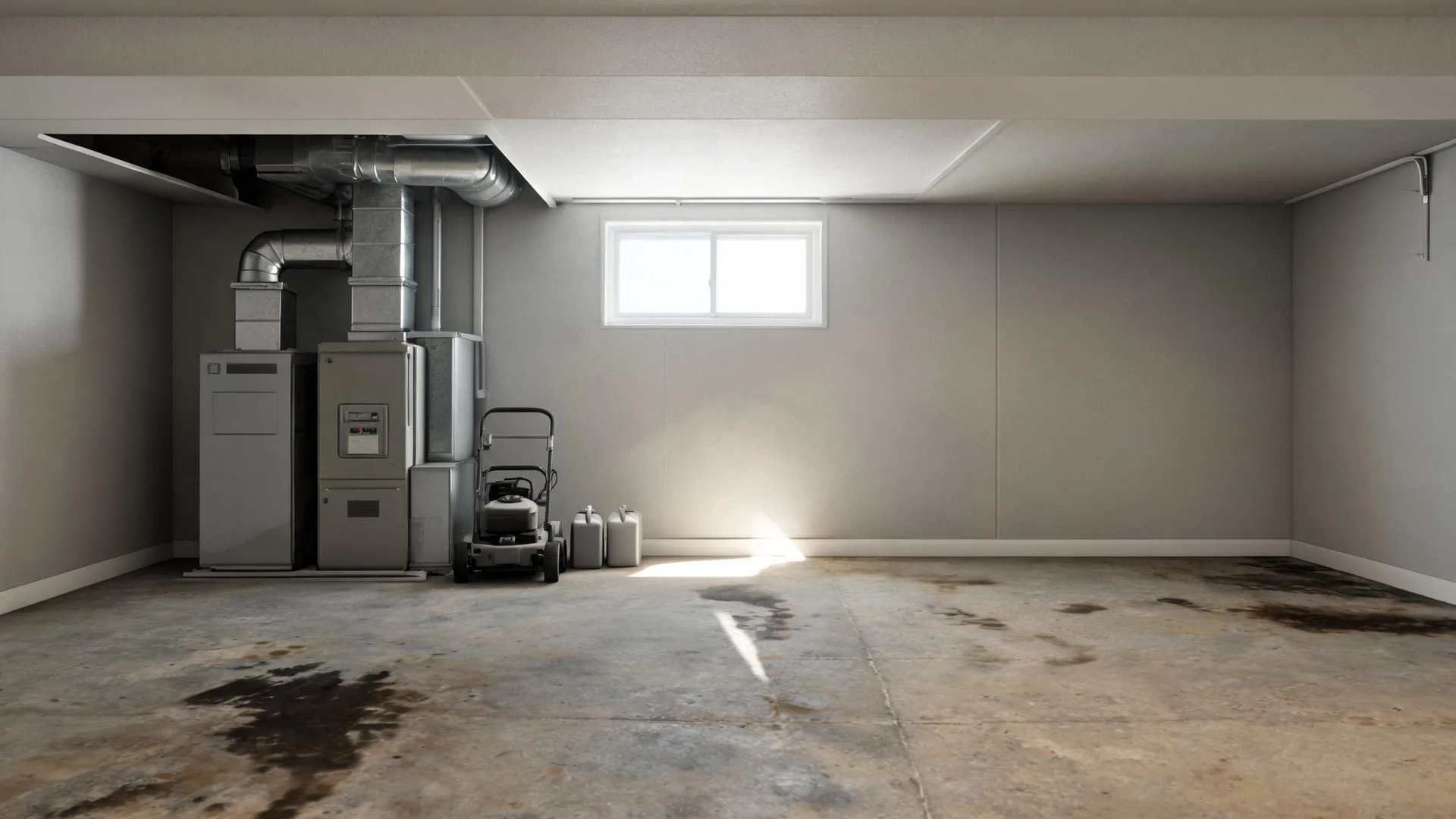
A gray high-efficiency gas furnace installed in an unfinished basement, surrounded by gas lines, a condensate drain, and sheet-metal ductwork.

The furnace is the easy part to price

What drives the cost of putting in a furnace isn't the unit sitting in the showroom. It's everything around it. The ductwork has to match the furnace's output, and if it needs to be resized, extended or sealed to handle the new system, that's real work before the furnace itself ever gets set. Venting matters too. A high-efficiency furnace vents differently than an older one, often needing its own dedicated line run through a wall or up through the roof, and that routing depends on where the furnace sits and what's already in place. The gas line has to be sized to the furnace's demand, and if the existing line was sized for a smaller unit, it may need upgrading. Electrical work comes into it as well, since the blower motor and control board need a proper circuit. And the labor to remove the old unit, correctly disconnect it, and haul it out adds to the job before anything new goes in. None of this shows up on a sticker price for the furnace alone. It shows up when someone actually walks through the house and sees what the new system has to connect to.

AFUE tells you how much of the gas becomes heat

A furnace with a higher AFUE rating turns more of the fuel it burns into heat for the house, and sends less of it out the flue. That rating is measured under fixed test conditions, so it's a way to compare one furnace to another, not a promise of what you'll see on any given gas bill.

The rating only pays off if the furnace is sized right

A high-efficiency furnace that's too big for the house still cycles on and off more than it should, and short cycling wears on the heat exchanger and the igniter regardless of what the label says. The efficiency rating describes the furnace. The load calculation is what tells you whether that furnace suits the house it's going into.

An unfinished basement interior showing a gray furnace unit beneath a bare incandescent bulb, surrounded by exposed joists, concrete walls, cardboard boxes, and utility pipes.

A high-efficiency gas furnace would save about $160 a year to run in Chemung County compared with a gas furnace.

  • A high-efficiency gas furnace$730 a year
  • A gas furnace$890 a year

Estimates for a typical Chemung County home, from EIA household energy data, New York fuel prices and NOAA climate normals. Your home will differ.

The old furnace comes out first. The installer shuts off the gas, disconnects the vent, and disconnects the ductwork before anything new goes in. Setting the new unit means getting it level, connecting it to the existing ductwork or the modified sections, and running the vent pipe to the outside. The gas line gets connected and pressure tested before the furnace ever fires, because a leak found after startup means redoing work that's already buttoned up. Once it's hooked up, the installer runs it through a full cycle, checking the flame, the temperature rise through the plenum, and the draft pulling the exhaust where it should go. A gas furnace also gets checked for carbon monoxide at the heat exchanger before anyone calls the job done. How the day goes depends on what's already in the house. A straightforward swap where the ductwork and venting stay as they are moves a lot faster than one where the vent has to be rerouted or the gas line resized.