





An unfinished basement featuring concrete block walls, exposed floor joists, and a metal forced-air furnace with ductwork near a central pillar.

Furnace Installation in Brooklyn, NY

Tell us about the job

Takes about a minute. No obligation.

New system or replacementFurnace or heatingKings County, NY
Step 1 of 2

What ZIP code is the job in?

Gas heats 72.2% of homes in Kings County, more than any other fuel, which makes a gas furnace the common choice here rather than the exception. If a gas line already feeds your home, replacing an old furnace with a new gas one is usually the straightest job, since the line and the vent are already in place. Electric heat makes up 14.2% of homes, and those houses need a furnace built for that setup instead. What matters most is matching the new furnace to the fuel already running to your house, not switching fuels along with the equipment.

7 months
October through April, your furnace is on duty
29°F
the average winter night it heats against
72%
of homes here heat with gas, so most furnaces here burn gas
80% AFUE
the federal minimum any new unit must meet
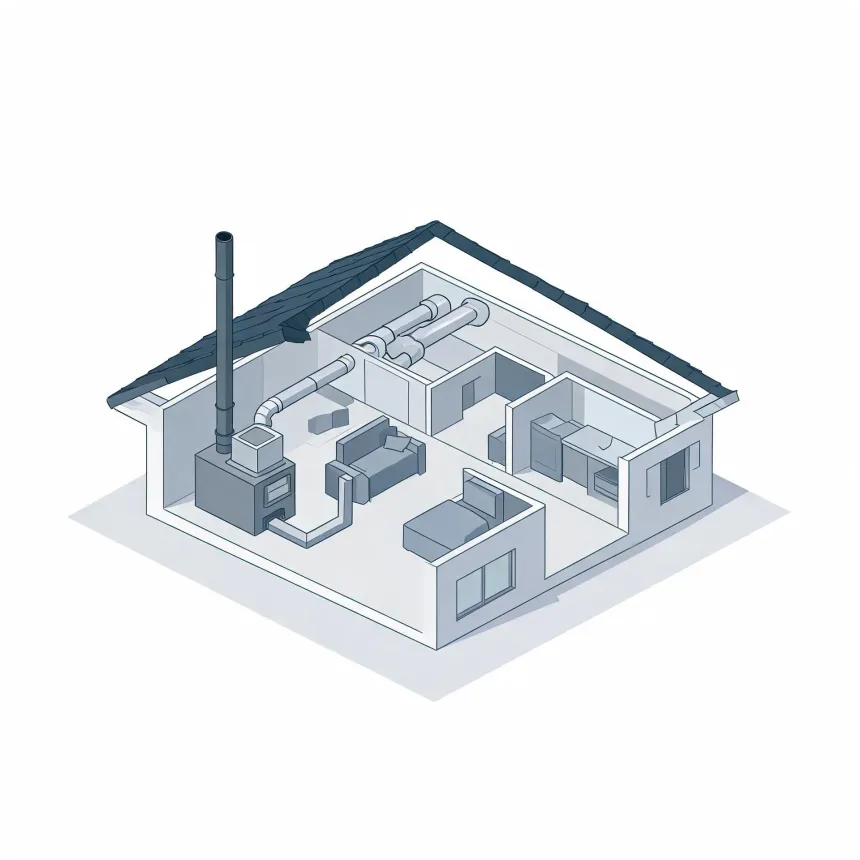
Isometric line illustration of a cutaway single-story house showing interior rooms with furniture, a furnace unit with a tall flue pipe, and connected ductwork running under the pitched roof.
Your furnace works hardest from November through March.

NOAA nClimDiv, 1991–2020 normals

Winter here runs cold but not extreme, averaging 29°F overnight through the coldest months.

A properly sized standard furnace handles it without needing extra capacity built in.

Half the homes here were built in 1944 or earlier, and the furnace has to fit the house it's going into

Half the homes here were built by 1944
Heat runs October through April
Winter nights average 29°F

Natural gas ran $16.03 per million Btu in New York last year, on the higher side for the country. That changes the math on a new furnace. A high-efficiency model burns less gas to make the same heat, but at this price the extra cost of that equipment takes longer to earn back than it would somewhere with cheaper gas. A standard-efficiency furnace, properly sized and installed with a good seal on the ducts, still does the job well. Here, picking the furnace that fits your house and vents correctly matters more than chasing the highest efficiency number on the sheet.

Have the new furnace in before October

Heat here runs October through April, about seven months straight. September is the last easy month to swap out an old furnace, before it has to carry the house every day. Replacing it now means the work happens on your schedule, with time to get the sizing and venting right, instead of getting done the week it's already cold.

Find a contractor
A man in a dark cap, gray T-shirt and brown work pants walks up porch steps toward a dark front door, carrying a canvas tool bag filled with tools, with a potted shrub beside the entry.
A gray residential gas furnace installed in an unfinished basement, connected to sheet-metal ductwork and PVC pipes.

What this house needs, not what the last one had

An old furnace in an old house was probably never sized for that house. Rooms get added, windows get replaced, insulation gets topped up or never does, and nobody runs the math again. Before a new furnace goes in, a contractor should run a load calculation on the house as it stands now, not go by what the last unit's nameplate said. Getting that number right is what keeps the new furnace from running too long to keep up or shutting off before a room gets warm.

The old furnace gets disconnected and removed

A contractor shuts off the gas line to the old furnace, disconnects the venting, and takes the unit out along with the old flue pipe if the new furnace vents differently. None of this gets reused. A new furnace needs its own venting sized and run to match how it burns gas, not whatever was already in the wall.

The old vent pipe often can't just stay

A high-efficiency furnace vents through a different type of pipe than a standard one, run to a different spot. If the replacement changes the venting type, the old flue through the chimney or wall gets capped or removed, and new venting gets run for the new furnace. That work is part of the install, not a separate problem to solve later.

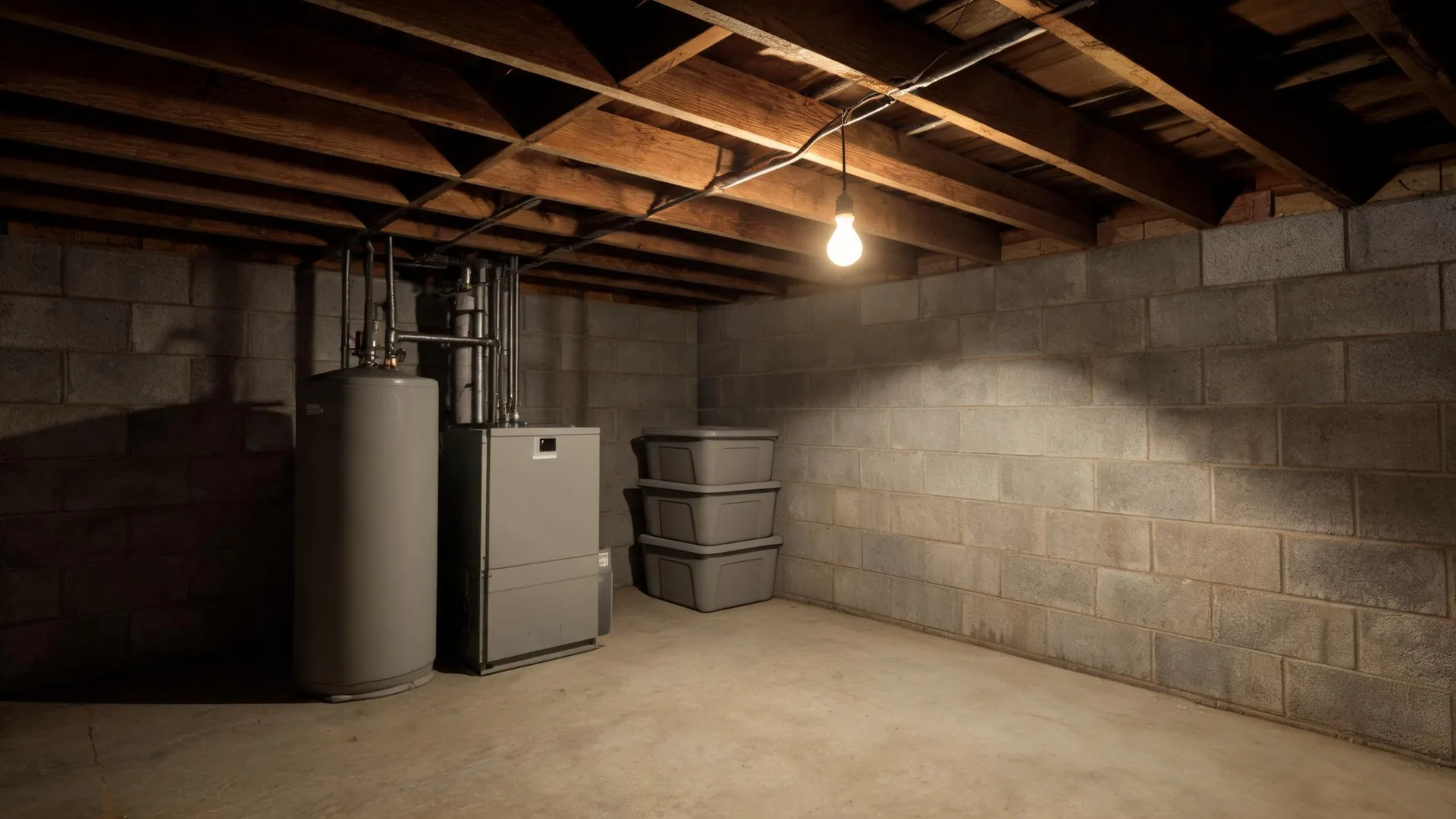
A gray forced-air furnace with ductwork stands in an unfinished concrete basement surrounded by storage items and clutter.

A high-efficiency gas furnace would save about $110 a year to run in Kings County compared with a gas furnace.

  • A high-efficiency gas furnace$490 a year
  • A gas furnace$600 a year

Estimates for a typical Kings County home, from EIA household energy data, New York fuel prices and NOAA climate normals. Your home will differ.

Installation day starts with the old unit coming out and ends with a pressure and combustion test on the new one, and most of the hours in between go to connecting things correctly rather than lifting equipment into place. The gas line gets connected and checked for leaks before anything is fired up. The new venting gets run and sealed at every joint, since a loose joint there is a safety problem, not just an efficiency one. Ductwork gets connected to the furnace's supply and return, and any gaps or disconnects found along the way should get sealed while the system is already apart. Once it's hooked up, a contractor runs the furnace through a full cycle, checks the gas pressure, and checks that it's drawing combustion air and venting exhaust the way it's supposed to before calling the job done.