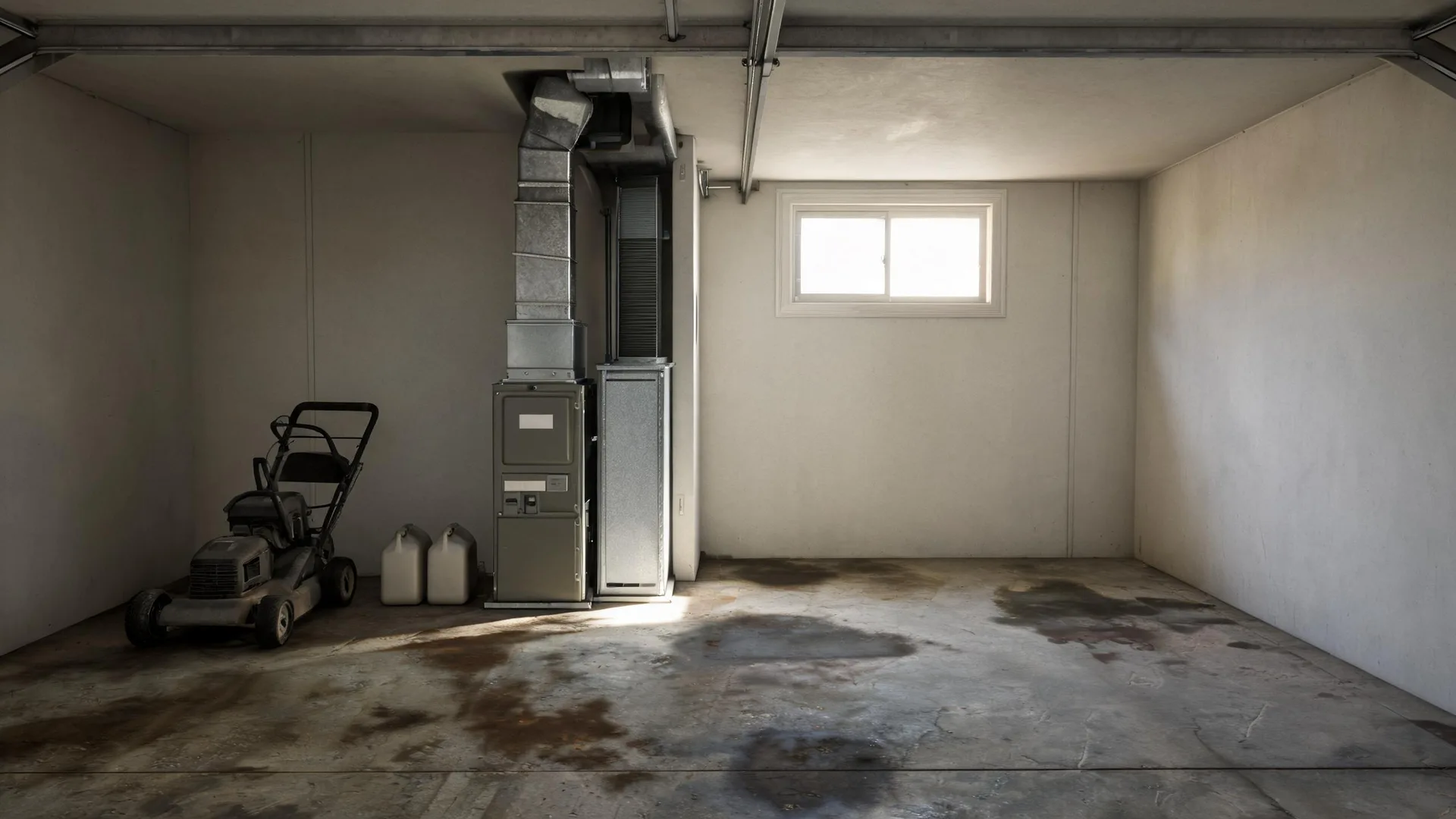
Most of the Bronx heats with gas
Utility gas heats 51.6% of occupied homes in Bronx County. A gas furnace is the system most installers here work on week in and week out.
Takes about a minute. No obligation.
Utility gas heats 51.6% of occupied homes in Bronx County. A gas furnace is the system most installers here work on week in and week out.
If gas already runs to your home, a new gas furnace can usually connect to the existing line and vent. Switching fuels means new lines, new venting, and more work to plan around.
NOAA nClimDiv, 1991–2020 normals
Furnaces in the Bronx run from October through April, seven months of real cold.
A standard furnace sized right for your home handles that winter without needing anything extra.


Natural gas here runs $16.03 per million Btu, on the higher side for the country. That changes the math on which furnace to install. A high-efficiency model burns less gas for the same heat, but it costs more up front, and at this price the extra takes longer to earn back. A furnace built to a lower efficiency still heats the house reliably, just with more gas spent doing it. For a lot of homes in the Bronx, the better question isn't which furnace uses the least gas. It's which one fits your house and holds up through the winter without surprises.
Bronx County falls under zone 4A, and any furnace installed here has to meet at least 80.0 percent AFUE. That's the federal minimum for non-weatherized gas furnaces right now, and it holds until December 2028, when new units will have to hit 95.0 percent. A federal tax credit is available for qualifying high-efficiency furnaces installed now, before that change takes effect.
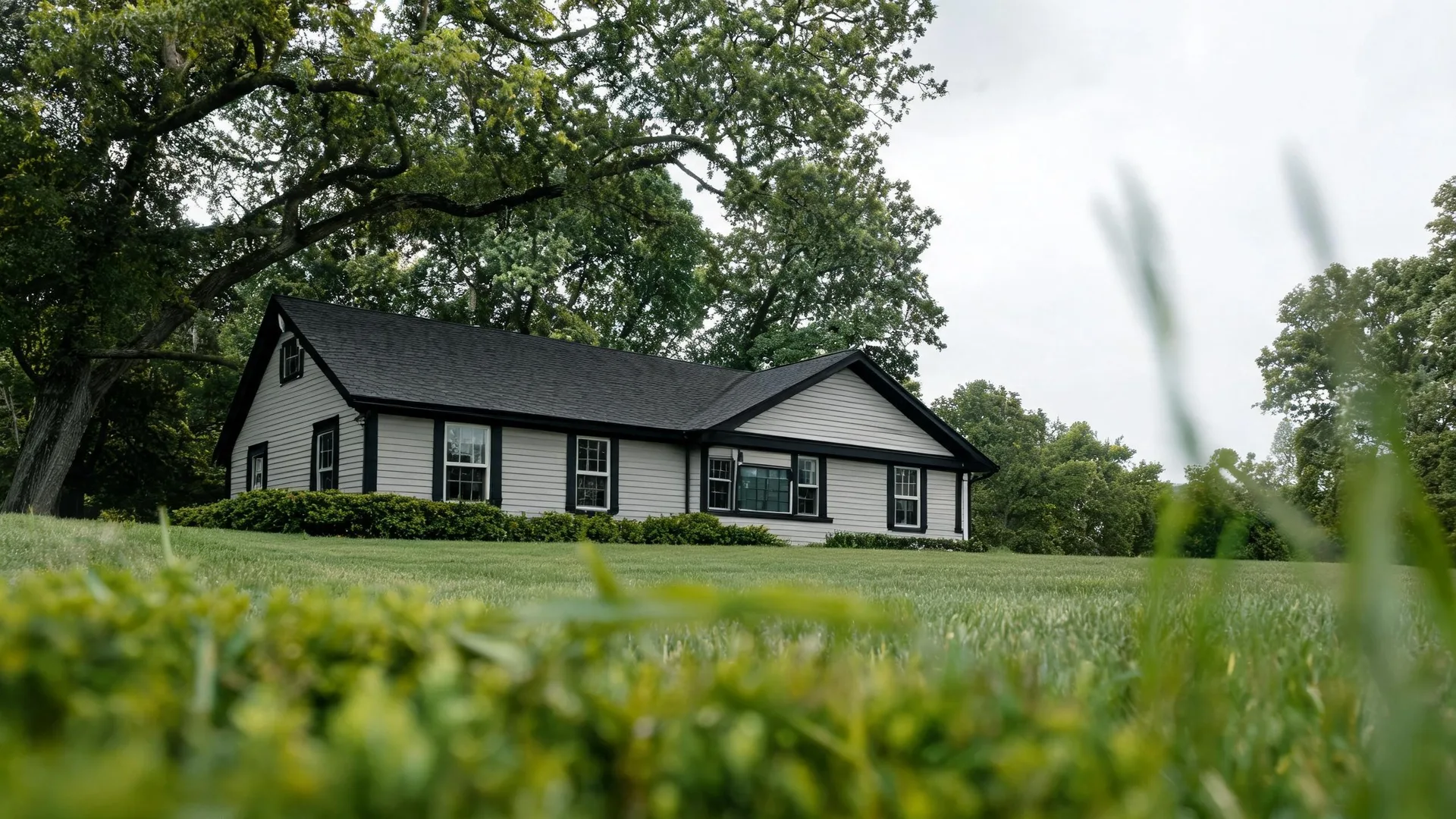
Find a contractorAn old house doesn't mean an oversized furnace. The install has to work with the duct runs and vents already in the walls, not force the house to match a bigger unit. An installer sizing the job will look at the house you actually have before settling on a size, not just the square footage.
An oversized furnace heats the house fast, shuts off, then starts again a few minutes later. It never runs long enough to warm the place evenly or to circulate air through the whole duct system. The burner and blower take the wear of all that starting and stopping, and the rooms farthest from the furnace stay colder than the rest.
An installer works out furnace size using a room by room load calculation, not a chart based on square footage. It accounts for window area, insulation, ceiling height, and how much wall faces outside. Houses that look alike from the street can need different size furnaces depending on how they're built.
Estimates for a typical Bronx County home, from EIA household energy data, New York fuel prices and NOAA climate normals. Your home will differ.
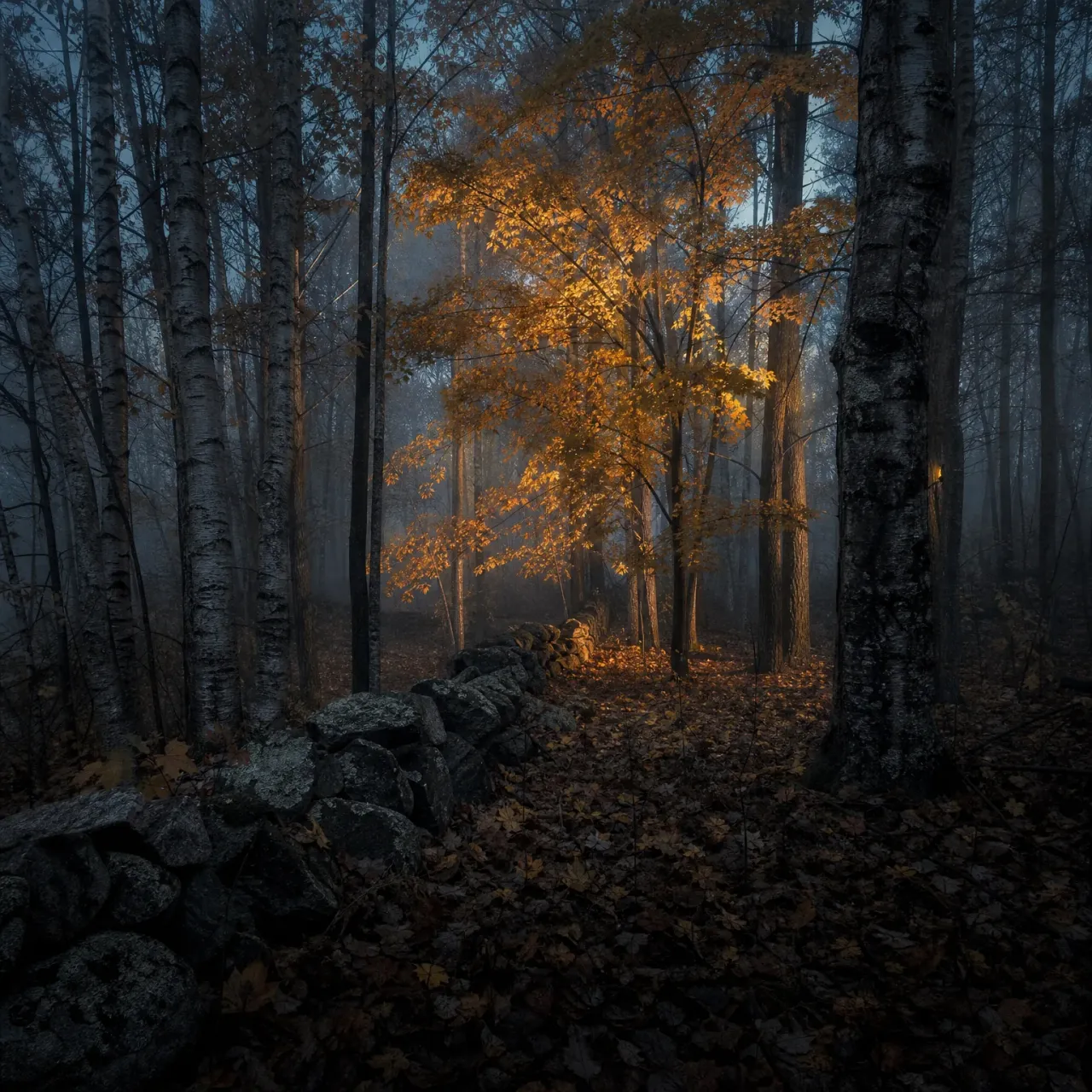
Installation day starts with taking the old furnace out. The crew disconnects the gas line, the vent, the ductwork, and the wiring, then clears the unit before anything new goes in. Once the space is open, they check whether the existing duct and vent will work with the new furnace, because not every old setup lines up without some rework. Setting the new furnace, sealing the duct connections, running the gas line back, and wiring the control board takes up most of the day. Then comes startup. The installer checks gas pressure, checks the flame, and checks that the blower is moving enough air through the ducts already in your walls. A furnace installed right gets run through a full heating cycle before the crew leaves, not just switched on and left.