




What the cold here actually does to a heat pump
Winter lows here average 28°F, and that falls right in the range where a standard heat pump stops working the way its rating sheet says it will. Below 40°F its output starts falling short of the number on the box. Below about 35°F it often needs backup heat to make up the difference. Both marks sit above our average low, not below it, so this is not a rare cold-snap problem. It is most nights, October through April.
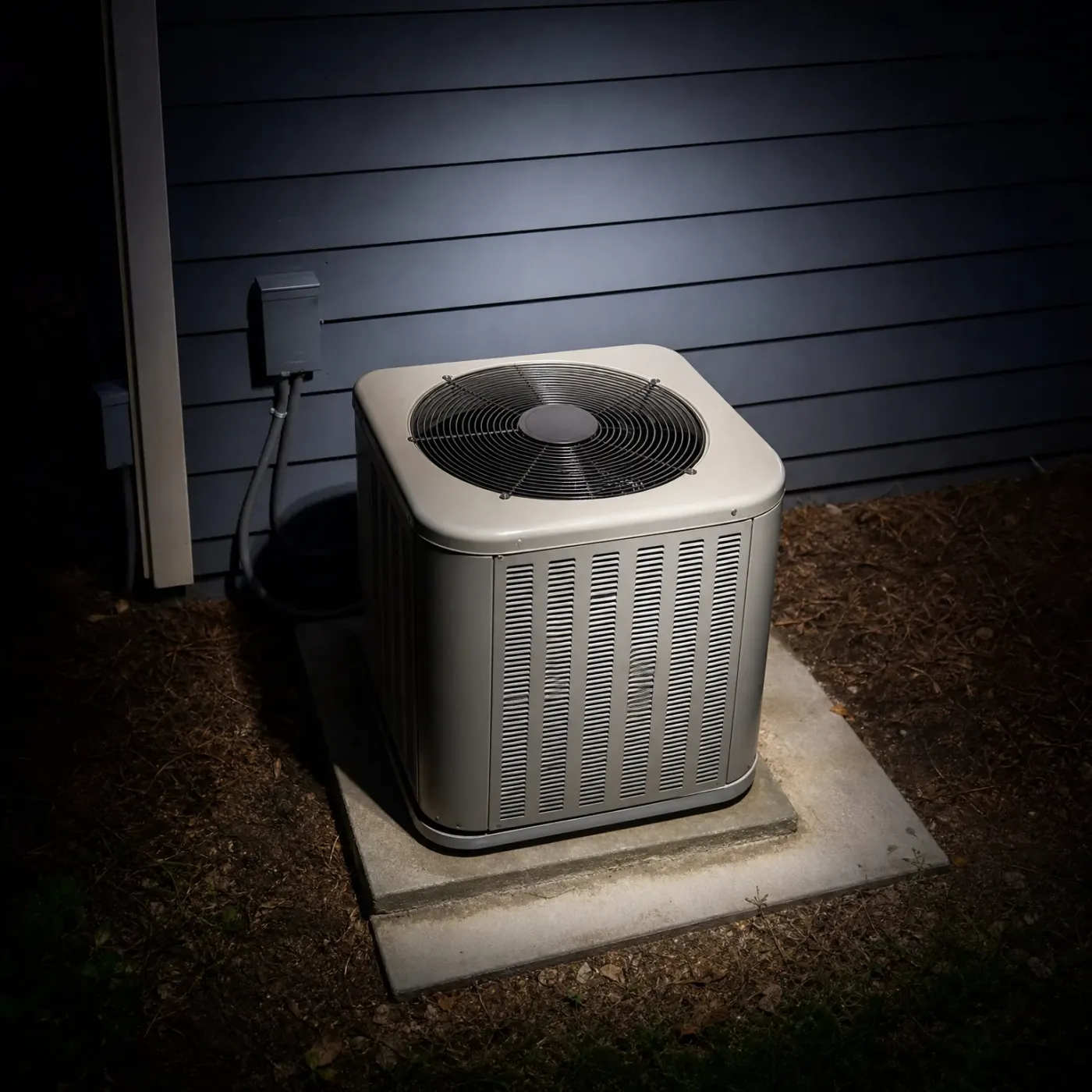
About 70 nights a year here drop to freezing or below, close to a third of the heating season. On those nights a standard heat pump is working below both marks at once. The reading is not as bad as it sounds, though. Of those 70 nights, only about one in a year reaches 0°F. A cold-climate heat pump, the kind certified to hold 70 percent of its capacity and still turn 1.75 units of electricity into heat at 5°F, is built for weather colder than this county sees on all but a handful of nights. A field test of that kind of equipment in occupied homes found backup heat carried only a small share of the load between 0°F and 35°F, and running on backup alone was rare even above 0°F. A standard heat pump here will lean on backup heat most of the winter. A cold-climate one mostly will not.
So the heat pump question in Bronx County is not whether it can work. It is which heat pump you are buying. A unit built to the federal minimum is going to struggle on about 70 nights a year. One built and rated for cold climates is a different machine for this same weather.