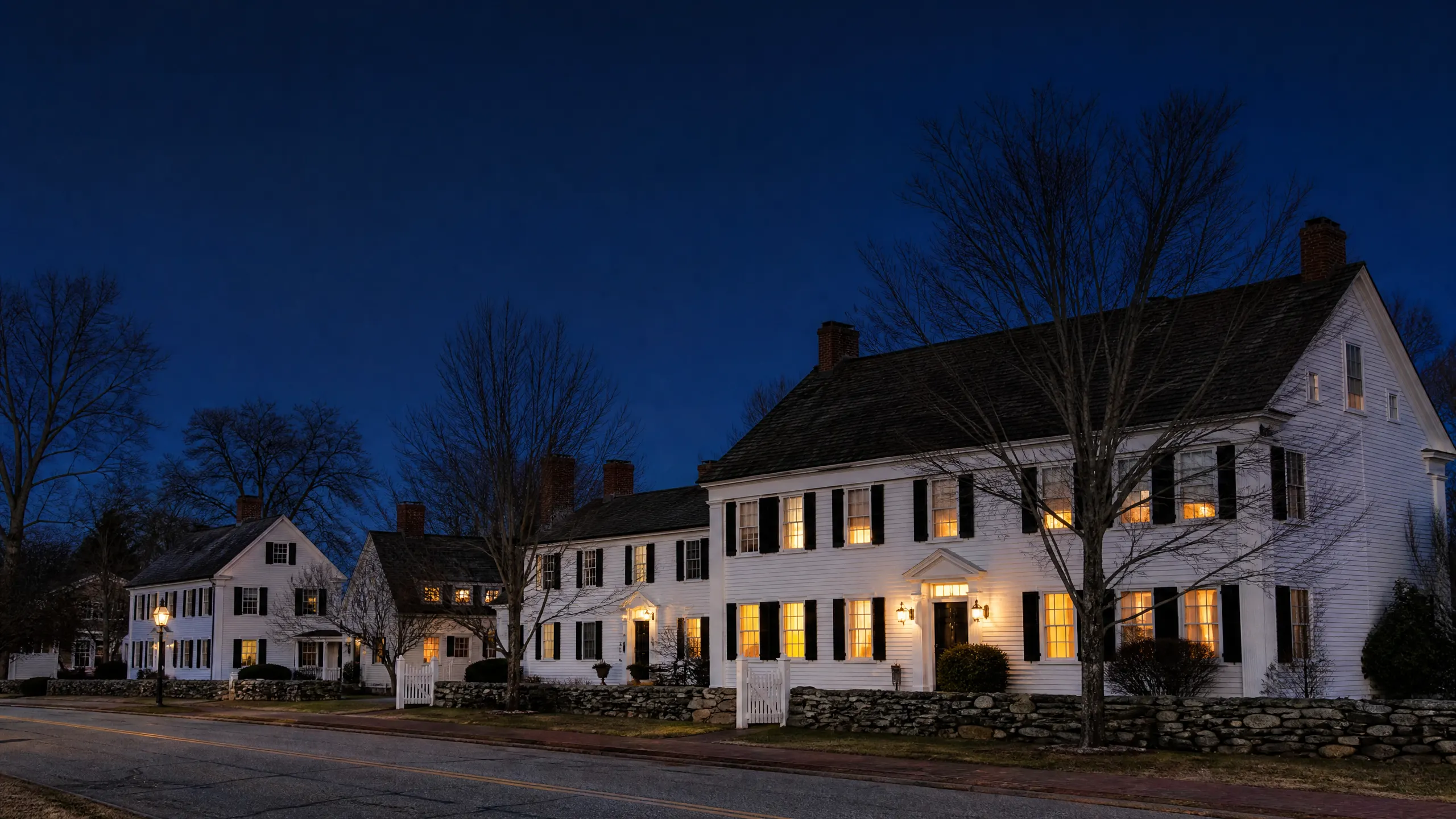




White colonial-style houses with lit windows photographed at dusk along a tree-lined street.

Furnace Installation in Auburn, NY

Tell us about the job

Takes about a minute. No obligation.

New system or replacementFurnace or heatingCayuga County, NY
Step 1 of 2

What ZIP code is the job in?

Your furnace in Auburn runs from October through May, about eight months of the year. Overnight lows average 19°F through December, January and February, so it's working against real cold most of that stretch, not just running long. The county has also seen its share of winter storms, heavy snow and ice that push a system harder than a normal cold night does. A furnace sized wrong for this, even by a little, either short cycles and wears out its parts early or runs constantly and never quite keeps up. Get the size right for your house before anything else, and don't pick the installer by the lowest bid alone.

8 months
October through May, your furnace is on duty
19°F
the average winter night it heats against
80% AFUE
the federal minimum any new unit must meet
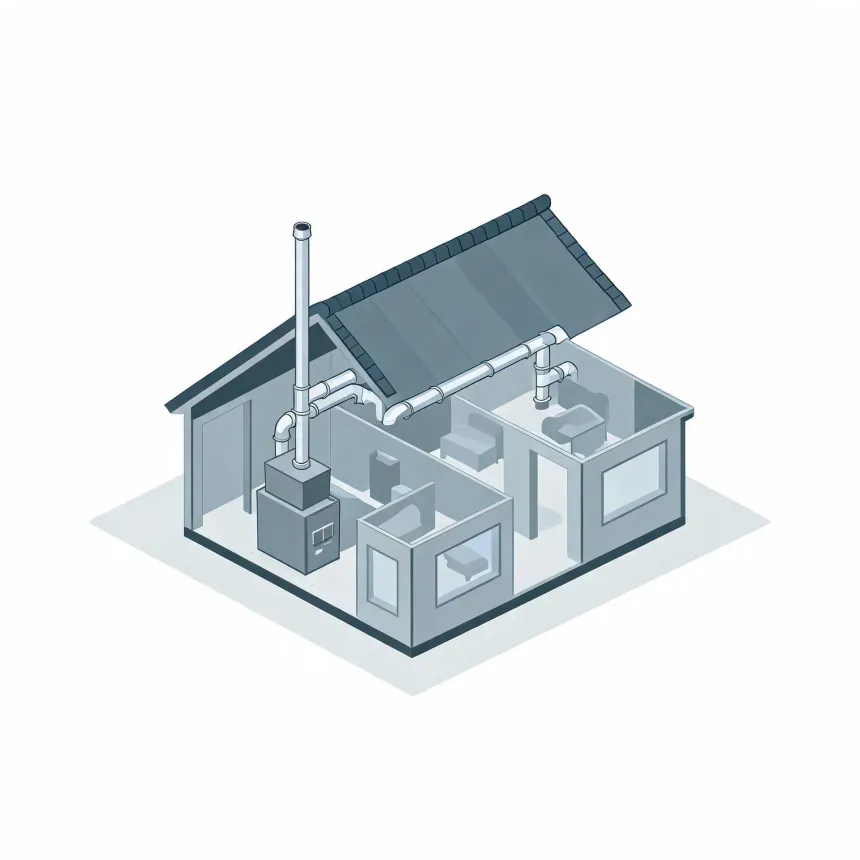
Isometric grayscale illustration of a cutaway house showing an interior furnace with a tall flue pipe and ductwork running to rooms under a partially lifted roof.
Your furnace works hardest from November through March.

NOAA nClimDiv, 1991–2020 normals

Half the homes in Cayuga County were built in 1958 or earlier.

A furnace going into a house that old has to be sized for the house, not just swapped for what's there now.

Almost half of Auburn heats with gas, and a gas furnace is the straightforward replacement

47.8% of homes heat with gas
Climate zone 5A
Heat runs October through May
Get it done before OctoberFurnace season starts in October and runs through May, so September is the month to have this done.

Natural gas in New York ran $16.03 per million Btu in 2024, well above what a lot of other states pay for the same heat. That cost lands every month the furnace runs, and it runs most of the year here. A higher AFUE rating means less of that gas gets wasted and more of it turns into heat in the house. A furnace sized right for the house helps too, since an oversized unit short cycles and burns fuel without ever running efficiently. Ask what AFUE rating you're actually buying, not just what size the installer is quoting.

A new furnace here has to meet zone 5A's efficiency minimum

Cayuga County falls in zone 5A, where winter is the bigger load on a furnace. Any non-weatherized gas furnace installed today has to reach at least 80.0 percent AFUE. That floor is set to rise to 95.0 percent in a few years, so a furnace bought now is held to the current standard, not the one coming after it.

Find a contractor
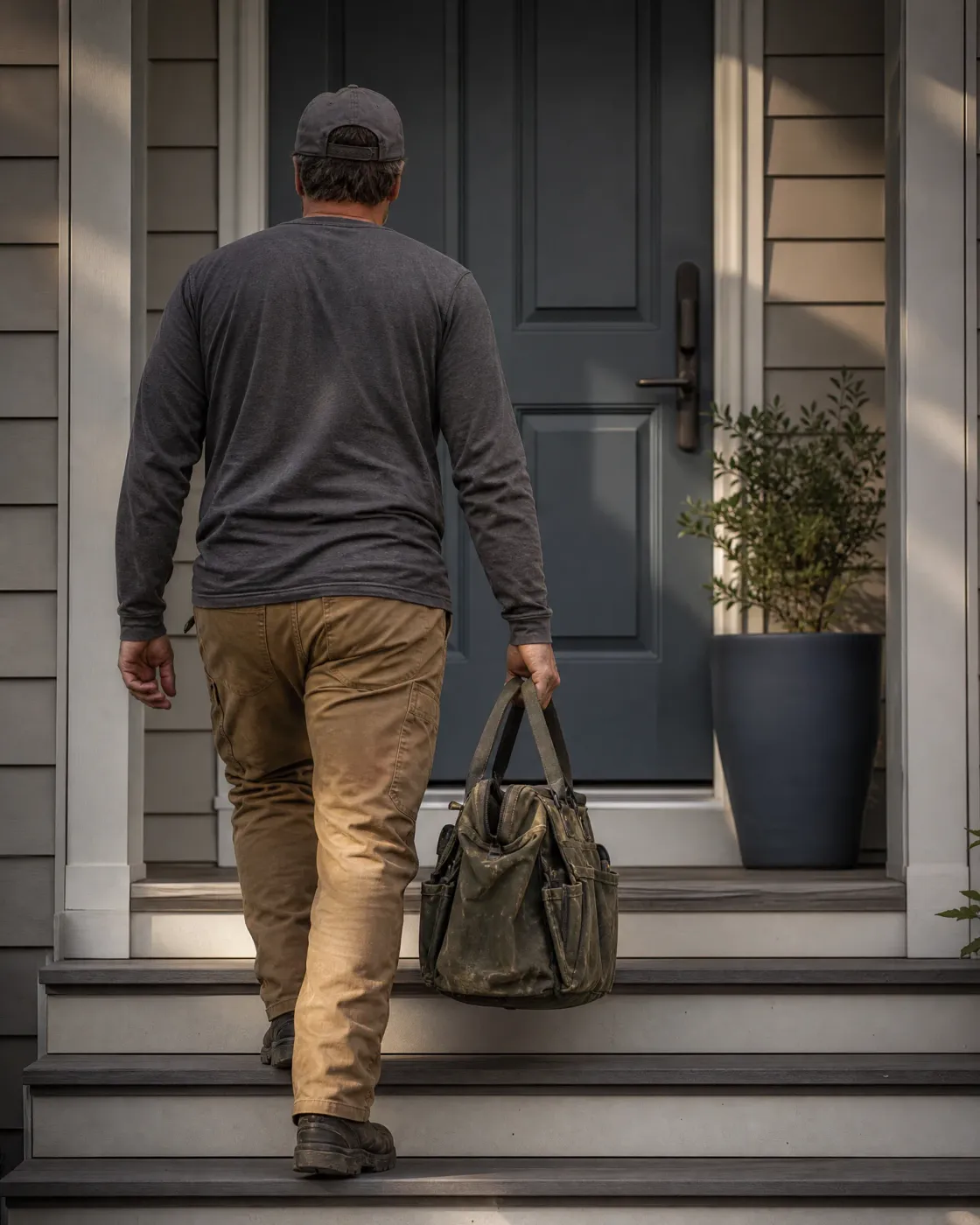
A man in a cap, gray long-sleeve shirt and tan work pants carries a worn canvas tool bag up porch steps toward a dark gray front door beside a potted shrub.
A gas furnace with attached ductwork, gas piping, and condensate lines installed in a concrete-block basement.

This runs for decades, so size it once, correctly

A furnace has a fixed heat output, and that number has to match the house it's heating. Half the homes in Cayuga County went up in 1958 or earlier, and a house that old wasn't built to the same standard as one built since. An installer who sizes it to the old furnace already in the basement is just repeating whatever guess was made last time, maybe decades ago. The right way is a load calculation on the house as it stands now, not a swap for what's already there.

Ask for the load calculation, not a quote

A contractor who proposes a furnace size before measuring the house is guessing. A room by room load calculation looks at square footage, window area, insulation and layout to find the actual heat loss. Houses that look alike from the street can need different size furnaces. Ask to see the numbers, not just the final recommendation.

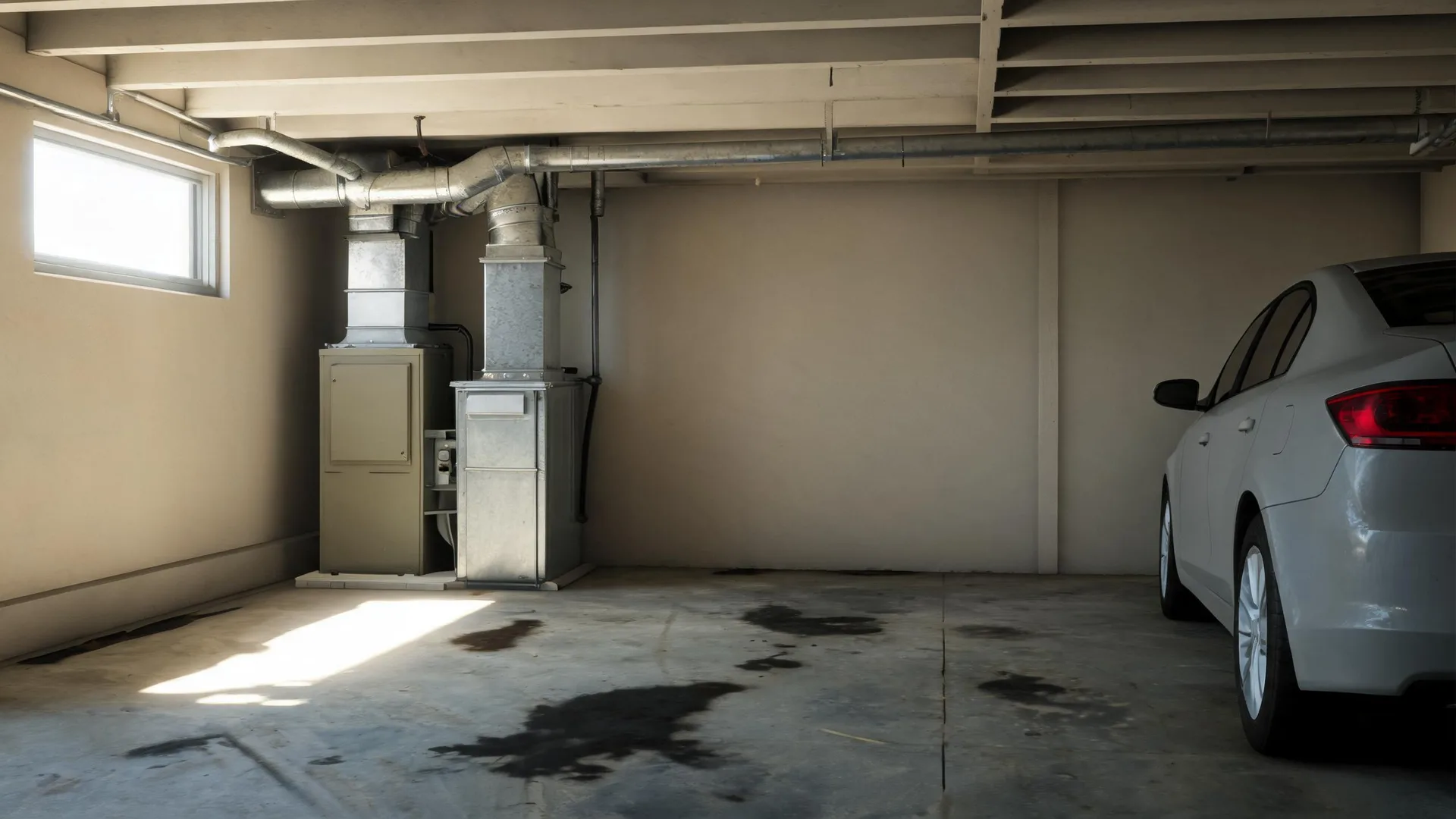
Ask what happens to the ductwork

A new furnace moving different airflow than the old one can run into ducts that were sized for that old unit. Undersized or leaky ductwork will choke a correctly sized furnace, causing weak airflow at the registers or uneven heat room to room. A contractor comparing systems with you should be looking at the ducts too, not just the box in the basement.

A gray forced-air furnace with sheet-metal ductwork stands in an unfinished basement with exposed wooden joists, concrete walls, and a hanging incandescent bulb.

A high-efficiency gas furnace would save about $150 a year to run in Cayuga County compared with a gas furnace.

  • A high-efficiency gas furnace$730 a year
  • A gas furnace$880 a year

Estimates for a typical Cayuga County home, from EIA household energy data, New York fuel prices and NOAA climate normals. Your home will differ.

Installation day starts with the old furnace coming out, along with the flue pipe and any ductwork connections that don't match the new unit. The installer sets the new furnace, then works through the gas line, the venting, the ductwork and the electrical, checking each one before moving to the next. Venting matters as much as the furnace itself. A high efficiency furnace vents through PVC pipe, while an older style unit uses metal venting into a chimney, and swapping one style of furnace for the other means changing how it vents, not just dropping in a new box. Once everything is connected, the installer fires it up, checks the gas pressure, checks for proper airflow at the registers, and confirms the system shuts off and cycles the way it should. A combustion analyzer gets used to check the exhaust and make sure the furnace is burning clean. The whole job is done in a day for most homes, with the installer walking through the thermostat and any filter changes before leaving.