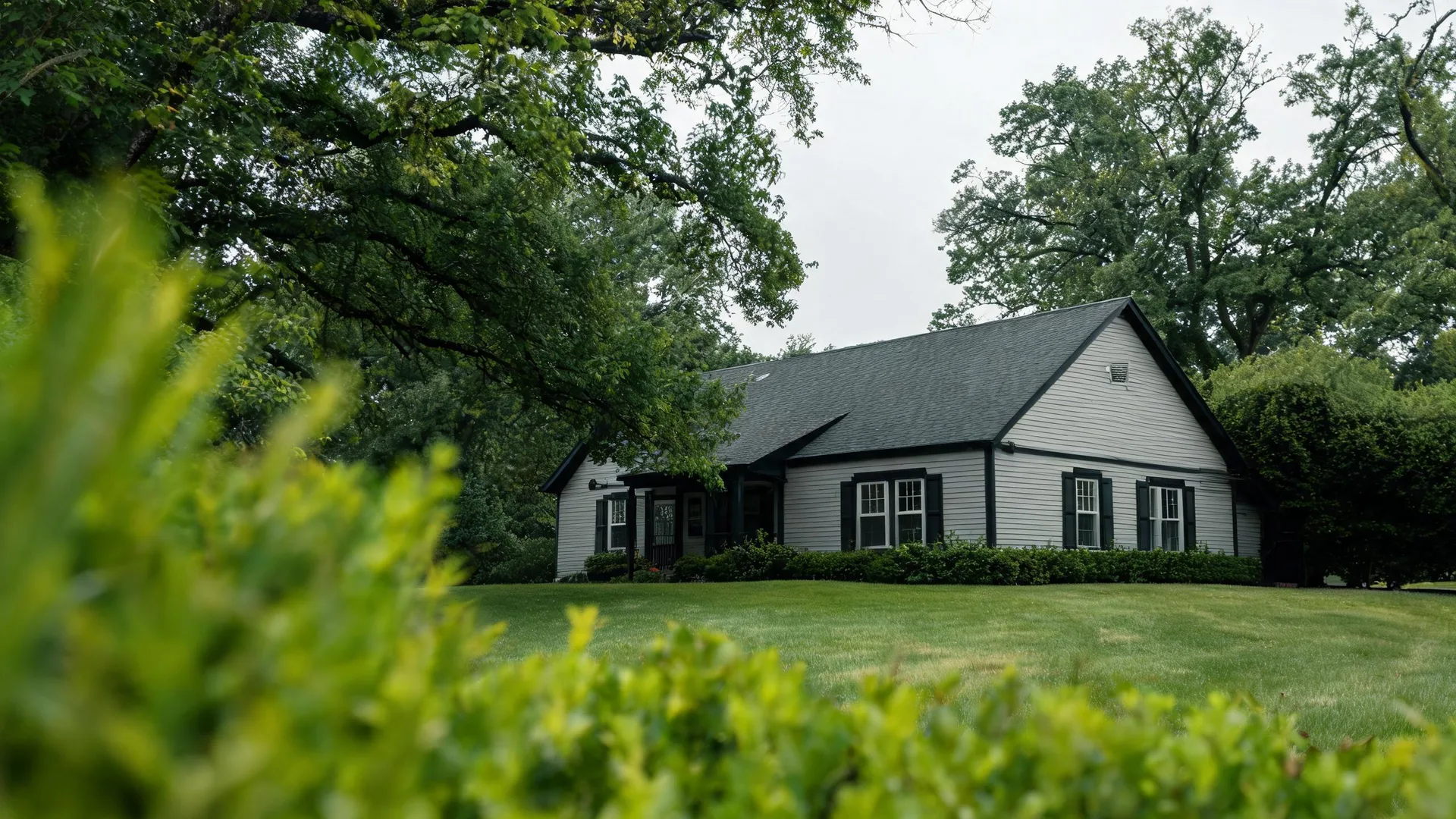
A single-story light gray house with dark shutters and a gray gabled roof sits behind a mown lawn, framed by large deciduous trees and blurred green shrubs in the foreground under an overcast sky.

Furnace Repair in Utica, NY

Tell us about the job

Takes about a minute. No obligation.

RepairFurnace or heatingOneida County, NY
Step 1 of 2

What ZIP code is the job in?

Half these homes were built in 1958 or earlier

Oneida County's housing stock is old. Half the homes here were built in 1958 or earlier. A furnace working in a house that age has usually been asked to do more, year after year, than one in a newer house. That adds up.


What that means for a repair call

If your furnace came with a house from that era, today's repair might not be the last one. Before paying for a major part, ask the technician how much life is left in the unit, not just what this fix costs.

9 months
September through May, your furnace is on duty
15°F
the average winter night it heats against
57%
of homes here heat with gas, so most furnaces here burn gas
57 winter storms
in ten years, the nights a failure hurts most
Isometric cutaway illustration of a single-story house in gray tones, showing interior rooms with furniture, ceiling ductwork, and an exterior furnace unit with a tall flue pipe.
Your furnace works hardest from November through March.

NOAA nClimDiv, 1991–2020 normals

Furnaces in Oneida County run from September through May.

Nine months of work a year wears out igniters, blower motors and hot surface sensors sooner than in milder places.

This county takes weather that leaves the furnace running on nothing

284 severe weather events from 2015 to 2024
11% of homes statewide lost power a day or more in 2024
195 damaging wind events from 2015 to 2024
A struggling furnace costs you every month it runsNatural gas in New York ran $16.03 per million Btu in 2024, and a furnace working harder than it should burns more of it.

Furnace repair calls climb in September here, right after the first cold nights push the heat on for the season. A furnace that sat quiet since spring gets asked to run for hours, and whatever was already worn, a cracked heat exchanger, a sticking igniter, a blower motor losing strength, shows itself under that load. The same thing happens again in January, when overnight lows average 15°F and the furnace barely shuts off. If yours is already acting up in the first weeks of the season, that's not bad luck. That's the weak part finally getting tested.

Before you fix it, ask what's left in it

Ask the technician one question before you approve the repair: how much life is left in the unit. If your furnace came with a house built in that era, the answer matters more than the price of today's fix.

Find a contractor
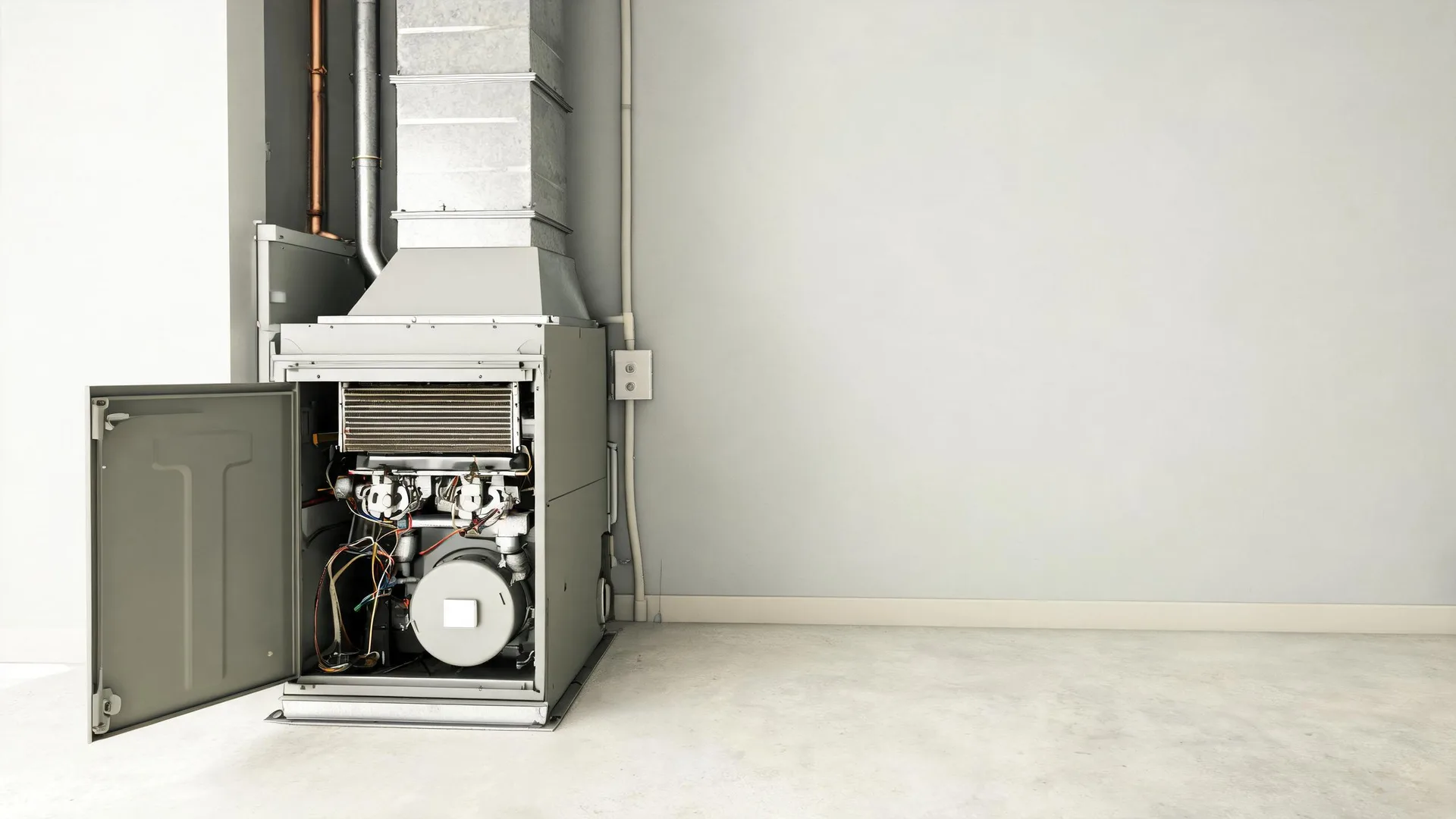
A gas furnace with attached ductwork, gas piping, and condensate lines installed in a concrete-block basement.

Nine months a year, tested hard

Nine months a year is what this furnace signed up for, September through May. That kind of run time doesn't leave much downtime for a part to be marginal without showing it. Oneida County has also taken 57 winter storms between 2015 and 2024, the kind of cold snap that pushes a furnace to run flat out for days. If something's acting up now, it got found the honest way. Have the technician diagnose it properly before any part gets replaced, so the fix addresses what's actually failing and not just the symptom you noticed first.

Most failures start with ignition

The igniter or the flame sensor is usually first to go. A hot surface igniter is a thin strip that heats up to light the burners, and it weakens a little every time it cycles until it cracks or stops glowing hot enough. The flame sensor has a different job. It tells the control board a flame is actually burning, and once it's coated with buildup it can't sense the flame, so the board shuts the burners down as a safety check. Either one gives you the same symptom: the furnace tries to start, and quits.

Some failures take years to show up

A heat exchanger cracks from metal fatigue, the same stress that eventually breaks any metal that heats and cools over and over. It doesn't happen in one season. It's a slow failure that finally gets caught on an inspection, or shows up as a strange smell or a furnace that trips its limit switch for no clear reason. A blower motor wears the same slow way, losing strength bearing by bearing until the airflow drops and the furnace runs longer to do the same job.

An unfinished basement featuring concrete block walls, exposed floor joists, and a metal forced-air furnace with ductwork near a central pillar.

A new furnace would cut about $190 a year off heating for a typical Oneida County home.

  • A new high-efficiency furnace$790 a year
  • An older furnace$980 a year

Estimates for a typical Oneida County home, compared with an older unit built to the previous federal minimum, from EIA household energy data, New York fuel prices and NOAA climate normals. Your home will differ.

Repair makes sense when one part has failed and the heat exchanger is sound.

Replacement makes sense when the heat exchanger is cracked or the furnace keeps needing parts.

A diagnostic call starts before any panel comes off. The technician asks what the furnace was doing: did it try to start and quit, did it run cold, did it make a noise it hadn't made before. Then they watch it go through a full cycle, because a lot of furnaces will hide a problem if you only look at them standing still. They'll pull the igniter or flame sensor to check it by eye, test the flame sensor's signal with a meter, and check the limit switch and pressure switch to see if something's tripping them. If the furnace is short cycling or won't fire at all, those checks usually find it. A cracked heat exchanger takes more than a glance, since the crack can open and close as the metal heats, so it may need a dedicated inspection with a camera or a combustion analyzer rather than a flashlight. Once the technician knows which part failed and why, they can tell you whether it's a fix or a sign the unit's close to done.