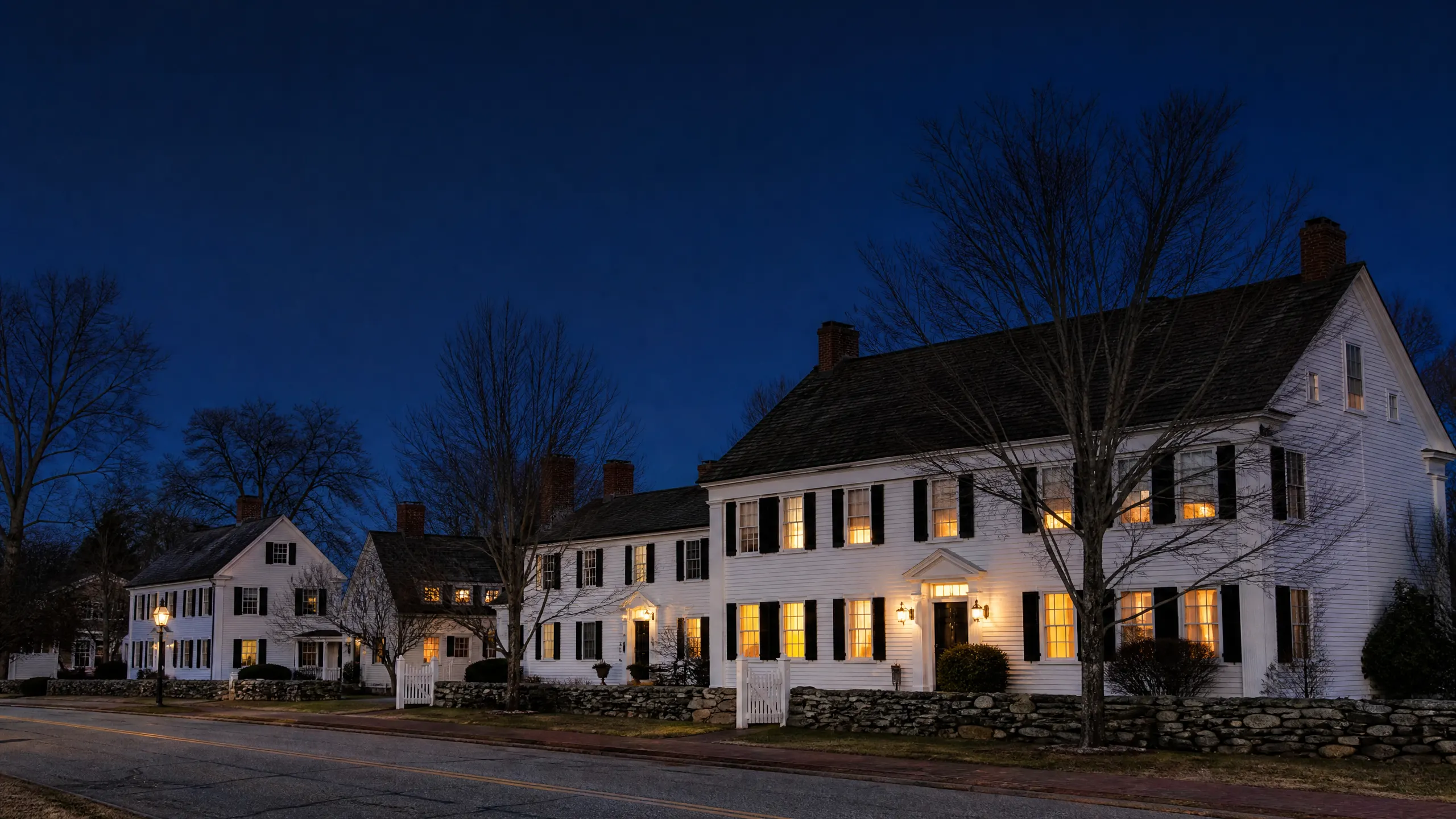

White colonial-style houses with lit windows photographed at dusk along a tree-lined street.

Furnace Repair in Troy, NY

Tell us about the job

Takes about a minute. No obligation.

RepairFurnace or heatingRensselaer County, NY
Step 1 of 2

What ZIP code is the job in?

Furnaces in Troy run from October through May, about eight months of the year. That's eight months of the burner cycling on and off, the blower pushing air, the igniter firing, night after night. Overnight lows average 17°F across December, January and February, so the system isn't just running often, it's running against real cold. Rensselaer County has had its share of heavy snow, ice and blizzards over the past decade, and a furnace that already works this hard gets no break during those stretches. All that use adds up faster here than in milder places, and it's usually why something that seemed fine starts acting up. A proper diagnosis finds the actual cause instead of guessing, so whatever gets fixed stays fixed.

8 months
October through May, your furnace is on duty
17°F
the average winter night it heats against
38 winter storms
in ten years, the nights a failure hurts most
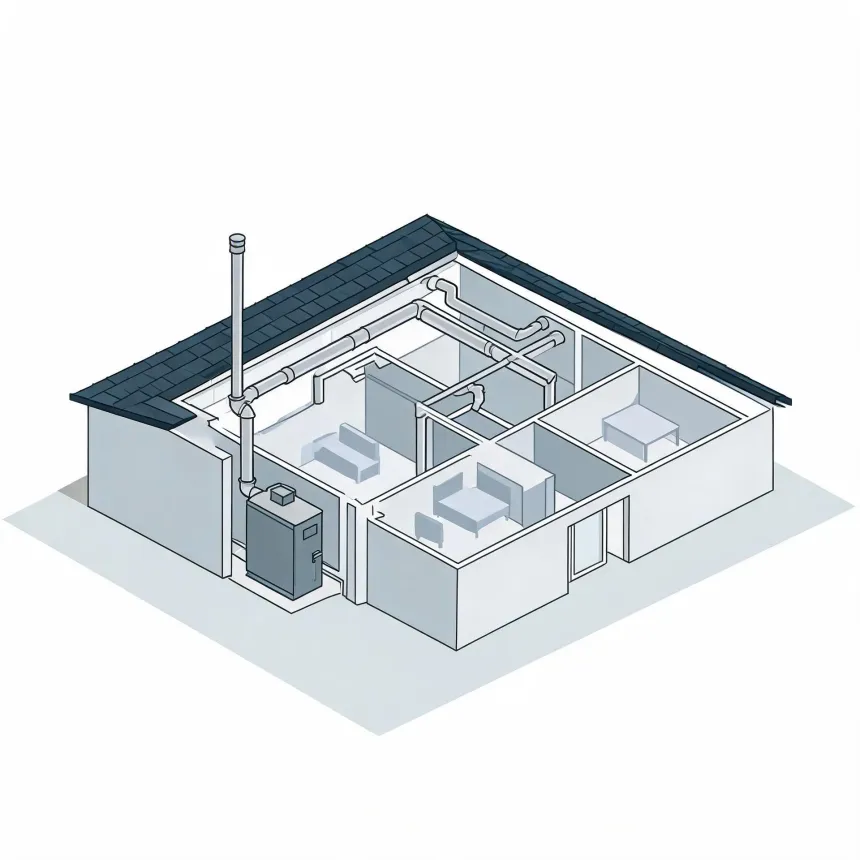
Isometric line illustration of a cutaway single-story house showing interior rooms with furniture, ceiling ductwork, and an exterior furnace unit with a tall flue pipe.
Your furnace works hardest from November through March.

NOAA nClimDiv, 1991–2020 normals

Half the homes in Rensselaer County were built in 1962 or earlier.

If your furnace came with a house that old, find out how much life it has left before you pay for a big repair.

Before you pay for the repair, ask what's paying for itself

Half the homes here were built by 1962
Heat runs October through May
Winter nights average 17°F

Natural gas in New York ran $16.03 per million Btu in 2024, among the higher rates in the country. A furnace that's short cycling, running longer than it should, or struggling to hold a set temperature burns more gas doing it, and at that price the difference shows up on the bill fast. A cracked heat exchanger, a dirty flame sensor, a blower running when it shouldn't all cost you every day they go unfixed. Waiting doesn't save money here. It just adds another month of paying more for less heat.

September is the month to deal with it

October is close. Furnaces here start running for the season that month, and the parts that are already worn tend to fail in those first weeks, not mid-winter. Getting a furnace checked in September means whatever is weak gets found before the cold asks something of it.

Find a contractor
A man in a dark long-sleeved shirt and brown pants walks up concrete steps toward a dark blue front door, carrying a canvas tool bag with tools in it, beside a potted shrub.
A gray high-efficiency gas furnace installed in an unfinished basement, surrounded by gas lines, a condensate drain, and sheet-metal ductwork.

Eight months of runtime wears one part before the others

A furnace that runs eight months a year against 17°F nights doesn't fail at random. It fails at the part that was already weak, usually the one carrying the most load each cycle. Guessing at that part and swapping it wastes a trip. A proper diagnosis checks the igniter, the flame sensor and the blower motor against what the system is actually doing, so the repair matches the cause instead of a hunch.

What you can check safely

Make sure the thermostat is set to heat and set above room temperature. Check the furnace switch, it looks like a light switch near the unit, and make sure nothing bumped it off. Look at the breaker it runs on. Check the air filter and replace it if it's gray or caked, a clogged filter chokes airflow and can shut the system down on its own. If the furnace vents through a pipe to the outside wall, make sure nothing is blocking that pipe.

What to leave alone

Don't open the burner compartment or touch the igniter, it's either a hot surface element or a spark device and both can hurt you. Don't reset a switch or breaker more than once if it trips again, that's the system telling you to stop. If you smell gas, don't flip any switch at all, leave the house and call the gas utility from outside. Anything involving the gas valve, the flame sensor or the heat exchanger needs a licensed tech, not a guess.

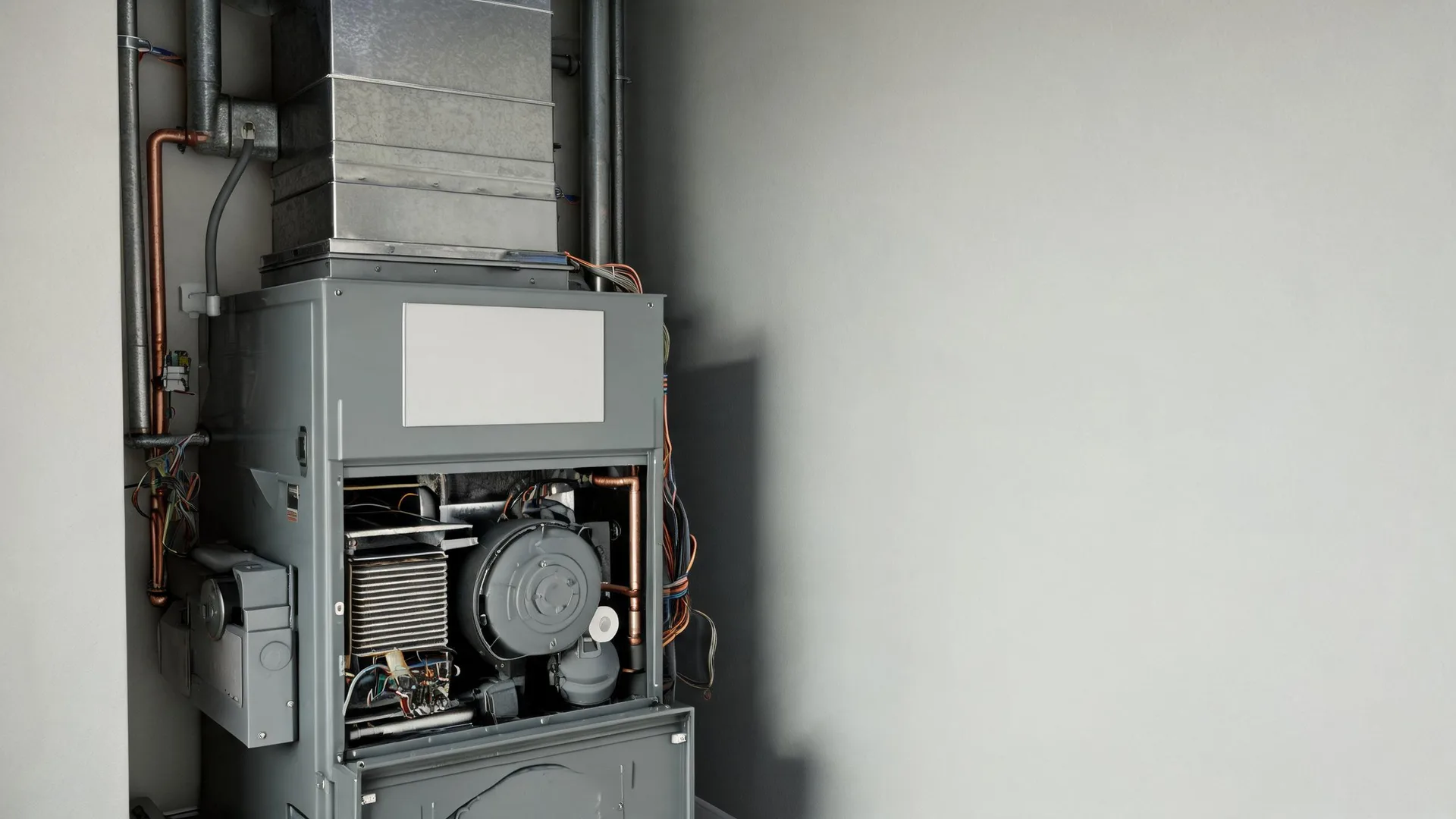
An unfinished basement interior featuring a large metal furnace unit, exposed ceiling joists, concrete walls, and scattered boxes and cables on the floor.

A new furnace would cut about $180 a year off heating for a typical Rensselaer County home.

  • A new high-efficiency furnace$720 a year
  • An older furnace$900 a year

Estimates for a typical Rensselaer County home, compared with an older unit built to the previous federal minimum, from EIA household energy data, New York fuel prices and NOAA climate normals. Your home will differ.

Repair makes sense when one part has failed and the heat exchanger is sound.

Replacement makes sense when the heat exchanger is cracked or the furnace keeps needing parts.

A furnace that's heating unevenly or cycling strangely isn't necessarily done. A control board or a blower motor can be replaced on a furnace that still has years ahead of it, and that repair is worth making. A cracked heat exchanger is different. That's the part keeping the flame separate from the air moving through the house, and once it's cracked the furnace shouldn't run at all, regardless of what else is still working. So the repair decision really comes down to which part failed and why. A tech who's traced the actual cause can tell you whether this is normal wear on one part or a sign the whole system is reaching the end of what it can do. Paired with knowing how old the furnace actually is, that tells you more than either one alone.