An unfinished basement containing a metal furnace with ductwork, exposed wooden joists on the ceiling, cardboard boxes, a coiled cable, and a single hanging incandescent bulb.

Furnace Repair in Spring Valley, NY

Tell us about the job

Takes about a minute. No obligation.

RepairFurnace or heatingRockland County, NY
Step 1 of 2

What ZIP code is the job in?

September is the month to catch it

Furnaces in Spring Valley sit idle all summer, then get switched on in October. A part that was already going bad, a cracked igniter or a failing flame sensor, tends to show itself the first cold week it's asked to work.

Eight months is a long time to run on a bad part

Heat stays on here from October through May. A furnace that struggles to start in October will keep struggling, and most likely get worse, through a winter that long.

8 months
October through May, your furnace is on duty
23°F
the average winter night it heats against
84%
of homes here heat with gas, so most furnaces here burn gas
14 winter storms
in ten years, the nights a failure hurts most
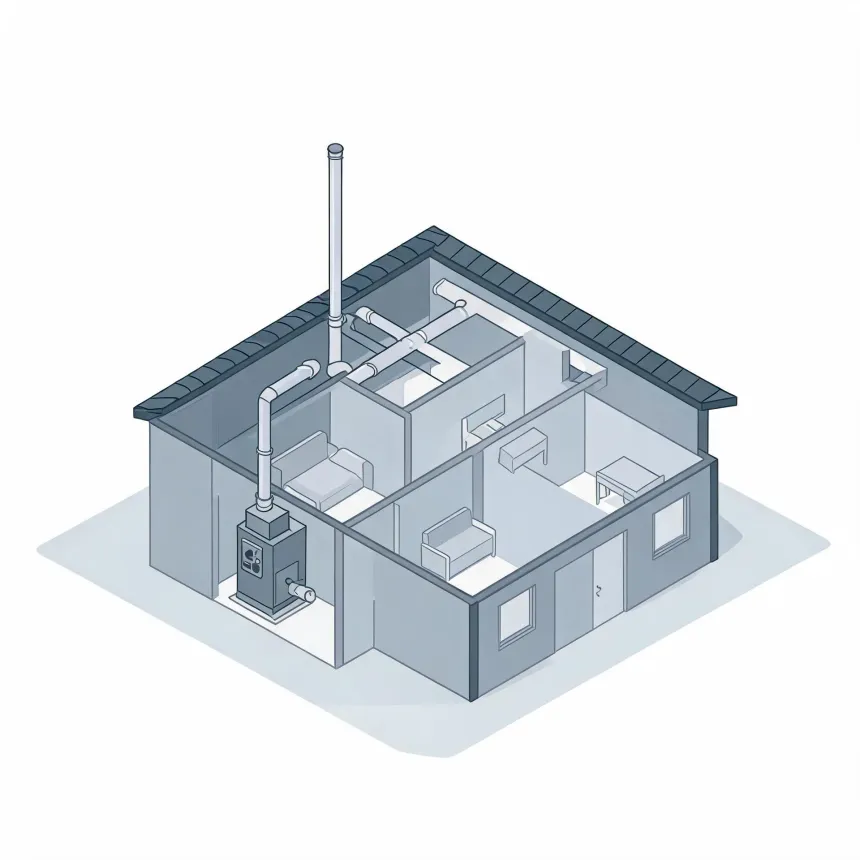
Isometric grayscale illustration of a cutaway single-story house showing interior rooms with furniture, a furnace unit connected to ductwork and a tall vertical flue pipe extending above the roof.
Your furnace works hardest from November through March.

NOAA nClimDiv, 1991–2020 normals

Winter nights in Spring Valley average 23 degrees, nothing a working furnace can't handle.

A furnace that won't keep up at 23 degrees has a real problem, not a weather problem.

Cold nights here, nothing more

Heat runs October through May
Winter nights average 23°F
Climate zone 5A

Half the homes in Rockland County were built in 1971 or earlier. A furnace doesn't usually last that long, so if yours came with the house, it's probably not the original, but it may still be older than you think. An older furnace can heat the place fine right up until it doesn't. The question worth asking before you pay for a repair is how much life is actually left in it. A cracked heat exchanger or a pattern of repeat repairs is a different conversation than a dirty flame sensor.

Ask what the repair is really buying you

Before you pay for the repair in front of you, ask the tech one more question. How much life is left in the furnace itself. A straight answer on that is worth as much as the fix.

Find a contractor
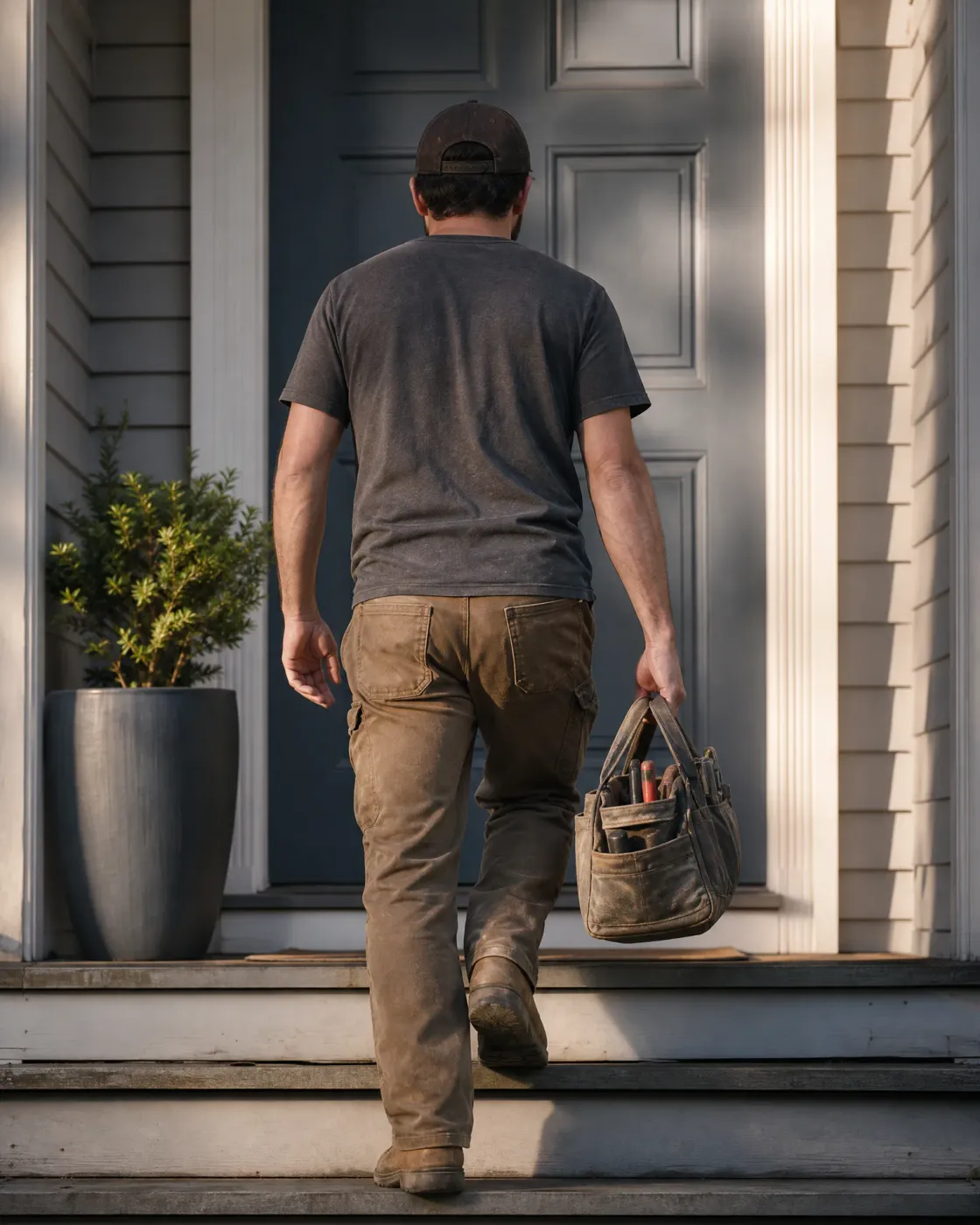
A man in a cap, gray T-shirt and brown work pants carries a worn leather tool bag up wooden porch steps toward a dark paneled front door, with a potted shrub to the left.
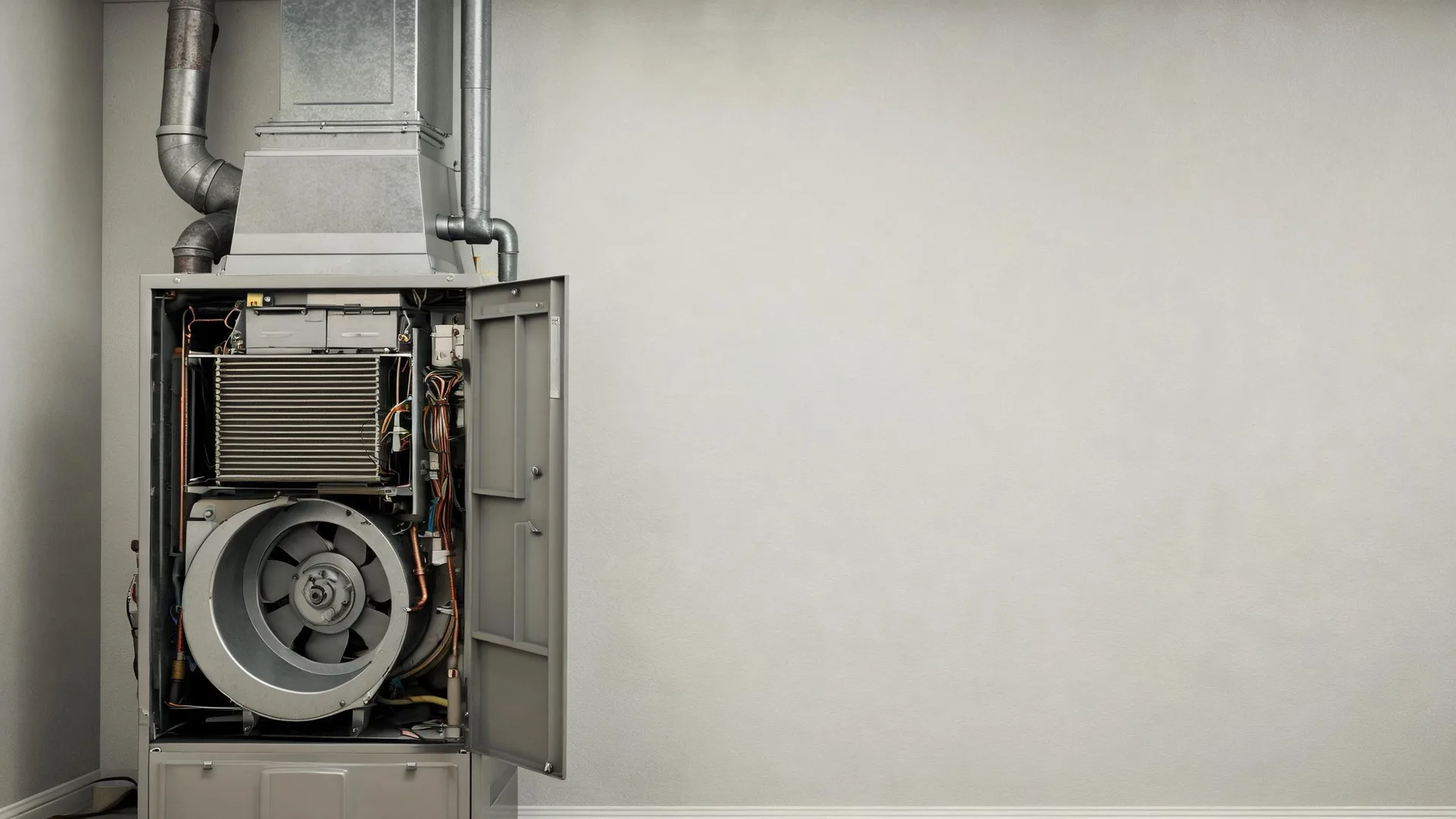
A gray residential gas furnace installed in an unfinished basement, connected to sheet-metal ductwork and PVC pipes.

A small problem doesn't stay small

A furnace that's struggling still runs, so it's easy to let it ride. That's usually the wrong call. A flame sensor coated with just a little residue makes the furnace cut out early, but it keeps trying, and every cycle adds more coating. An igniter that's cracked gets weaker every time it heats up and cools down. A blower motor with a failing bearing keeps spinning, louder each week, until it seizes. None of these fix themselves by running more. The furnace isn't resting between cycles, it's cycling on and off trying to do a job a worn part can't finish, and that strain is what turns a minor repair into a bigger one.

Most failures start with the igniter or the flame sensor

The igniter has to heat up and cool down every single cycle, and that stress eventually cracks it. A flame sensor doesn't break so much as get coated with a film that stops it from reading the flame, so the furnace shuts itself off as a safety measure. Both are common, both are small parts, and neither means anything else is wrong with the furnace.

Bigger trouble shows up as repeat problems, not one clean break

A blower motor that's losing its bearing gets louder over weeks before it finally seizes. A cracked heat exchanger doesn't announce itself, it shows up as soot, a strange smell, or a carbon monoxide detector going off. These don't come out of nowhere. They're usually the end of a pattern a homeowner already noticed and put off.

A gas furnace with sheet-metal ductwork and PVC pipes installed in an unfinished basement.

A new furnace would cut about $140 a year off heating for a typical Rockland County home.

  • A new high-efficiency furnace$590 a year
  • An older furnace$730 a year

Estimates for a typical Rockland County home, compared with an older unit built to the previous federal minimum, from EIA household energy data, New York fuel prices and NOAA climate normals. Your home will differ.

Repair makes sense when one part has failed and the heat exchanger is sound.

Replacement makes sense when the heat exchanger is cracked or the furnace keeps needing parts.

A diagnostic starts before any panel comes off. The tech wants to know what the furnace is doing, not starting at all, starting then shutting off, running but blowing cold, making a noise it didn't used to make. From there it's a set sequence. Thermostat calls for heat, the board gets power, ignition fires, the flame sensor confirms it, burners stay lit, air moves through the ducts. Each step either checks out or points to the part behind it. A furnace that tries to ignite a few times and gives up usually means the flame sensor or the igniter. One that never tries at all points further back, to the board or the power feeding it. By the time the panel goes back on, the tech usually knows what's wrong and whether it's a fix that's done on the spot or one that needs a part ordered in.