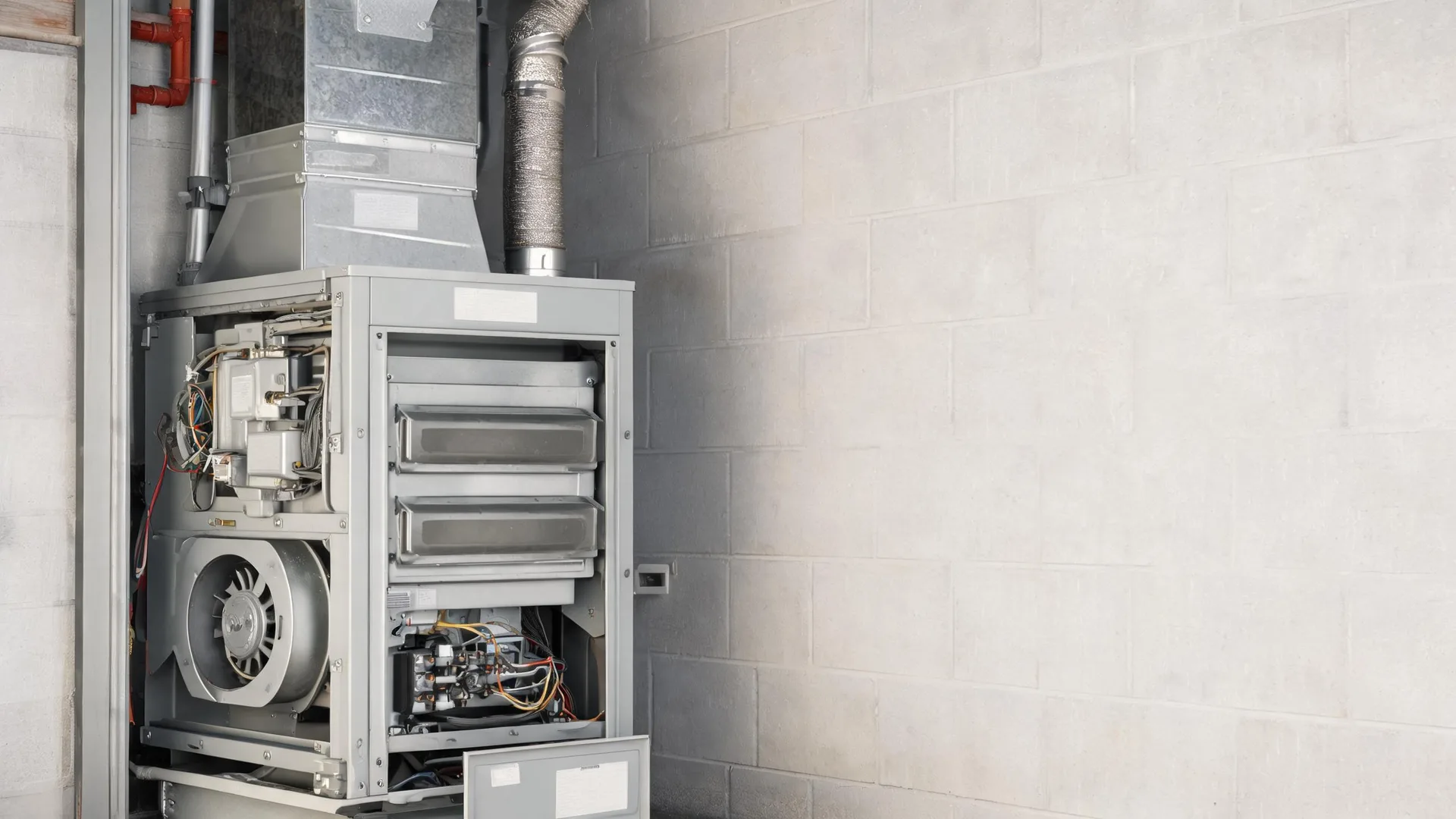
Nine months of heat a year
Furnaces in Cattaraugus County run from September through May. That's most of the year asking the same igniter, blower and heat exchanger to cycle on and off.
Takes about a minute. No obligation.
Furnaces in Cattaraugus County run from September through May. That's most of the year asking the same igniter, blower and heat exchanger to cycle on and off.
Overnight lows average 17°F here in December and January, so the furnace isn't just running often, it's working against real cold. A furnace acting up now is likely feeling that strain, not failing for no reason.
NOAA nClimDiv, 1991–2020 normals
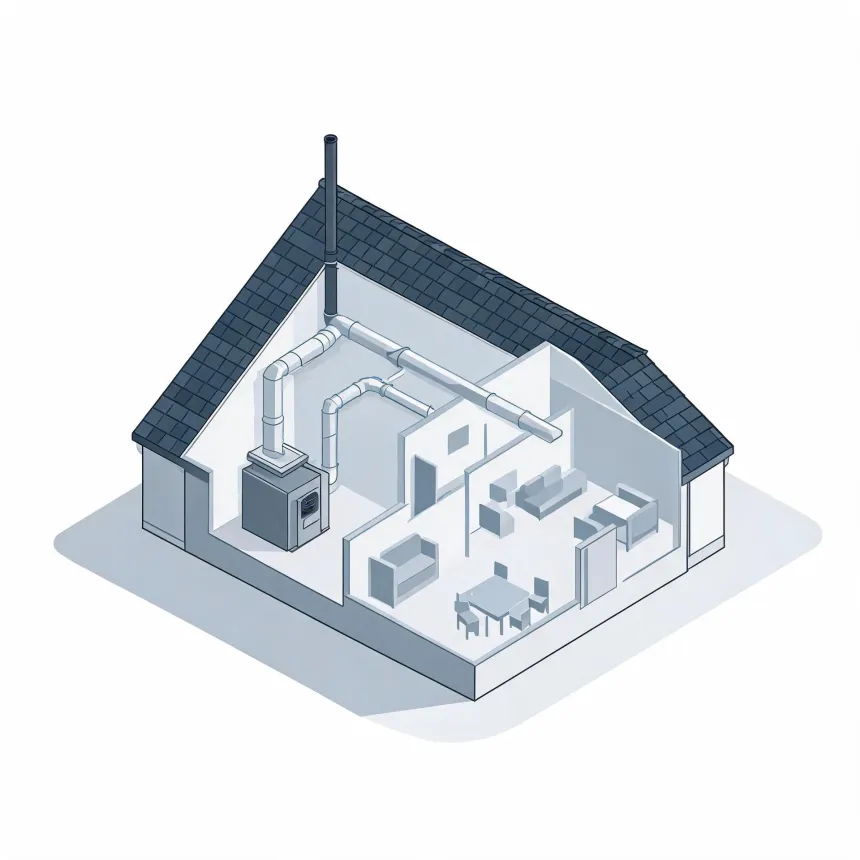
Half the homes in Olean and the rest of Cattaraugus County were built in 1960 or earlier.
If your furnace came with a house that old, age could be part of what's going wrong.



August is worth paying attention to. That's the month before the furnace switches on for the season here, and it's a good time to get a repair looked at before the first real cold hits. Furnaces that sat idle since May don't always start clean. An igniter or blower motor that was already weak tends to show it in the first few weeks of September, right when you need the heat most. Getting ahead of it in August means you're not finding out the hard way.
Before you pay for this repair, ask the contractor how much life the furnace has left. If it came with a house built in 1960 or earlier, it may be old enough that the repair isn't worth it.
Find a contractorA furnace under this kind of strain can act up for more than one reason at once. Get the actual cause found before paying for a fix. A tech who checks the whole system, not just the symptom you noticed, is less likely to send you into next winter with the same problem back.
The furnace runs longer than it used to, or it cycles on and off every few minutes instead of settling into a steady run. Rooms that used to heat evenly now have cold spots. Sometimes the blower runs but no warm air comes out, or you hear a clicking sound as the igniter tries and fails to light the burners.
Short cycling usually means the heat exchanger is overheating and shutting itself off early, or airflow is restricted somewhere. A furnace that won't light at all often comes down to the igniter or the flame sensor. None of these fix themselves, and running the furnace while they're happening tends to wear down whatever part is already struggling.
Estimates for a typical Cattaraugus County home, compared with an older unit built to the previous federal minimum, from EIA household energy data, New York fuel prices and NOAA climate normals. Your home will differ.
Repair makes sense when one part has failed and the heat exchanger is sound.
Replacement makes sense when the heat exchanger is cracked or the furnace keeps needing parts.
A diagnostic visit starts before any panel comes off. A tech will ask what you've noticed, when it happens, and whether it's gotten worse. Then the cover comes off and they watch the furnace run through a full cycle, start to finish, because some problems only show up partway through. They'll check the flame, looking for a steady blue burn instead of one that's weak or yellow. They'll test the igniter and flame sensor with a meter rather than guessing from how they look. Airflow gets checked too, since a restricted return or a clogged filter can cause symptoms that look like a different problem entirely. The goal is to find the actual cause, not just the part that happened to be easiest to spot.