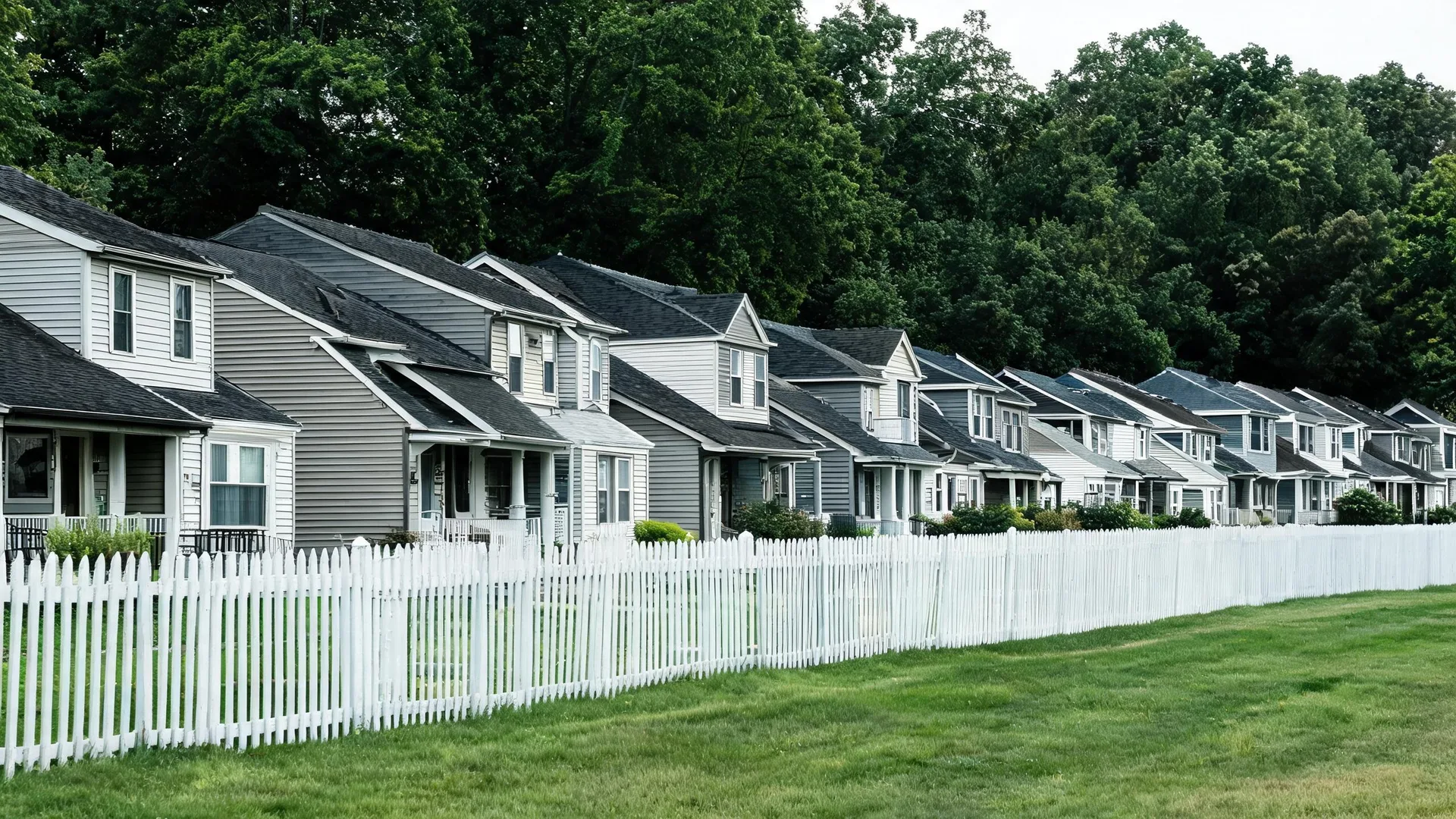


A row of similar gray and white vinyl-sided houses behind a long white picket fence, with mown grass in the foreground and dense deciduous trees behind.

Furnace Repair in Hudson, NY

Tell us about the job

Takes about a minute. No obligation.

RepairFurnace or heatingColumbia County, NY
Step 1 of 2

What ZIP code is the job in?

Furnaces in Hudson run about eight months straight, October through May. That overnight low near 19°F in December and January means the burner is cycling on for hours at a time, night after night. A furnace built for a milder place doesn't see that kind of load. Parts that would last years somewhere warmer wear down faster here. The igniter, the blower motor, the heat exchanger itself all take the hit. If yours is acting up, the hard winter here is usually part of why. Get it looked at by someone who can tell you whether it's a real fix or a stopgap.

8 months
October through May, your furnace is on duty
19°F
the average winter night it heats against
27 winter storms
in ten years, the nights a failure hurts most
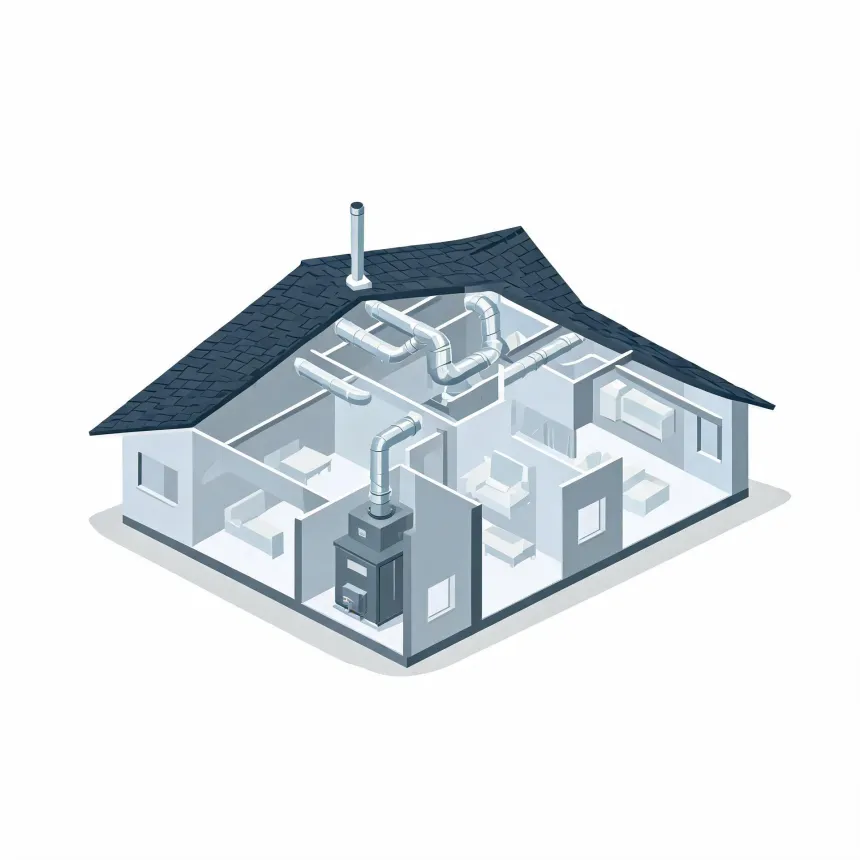
Isometric cutaway illustration of a single-story house showing interior rooms with furniture, a metal ductwork network, and a furnace unit connected to a vertical flue through the dark shingled roof.
Your furnace works hardest from November through March.

NOAA nClimDiv, 1991–2020 normals

Half the homes in Columbia County were built in 1966 or earlier.

A furnace that came with a house that old has likely put in more years than most.

Furnaces that made it through last winter tend to fail in the first cold weeks of this one

Heat runs October through May
Winter nights average 19°F
27 winter storms from 2015 to 2024

Get the diagnosis before the next cold stretch

A furnace running eight months a year doesn't give you much room to wait out a problem. Have it checked now, while there's still time to tell a real fix from a stopgap.

Find a contractor
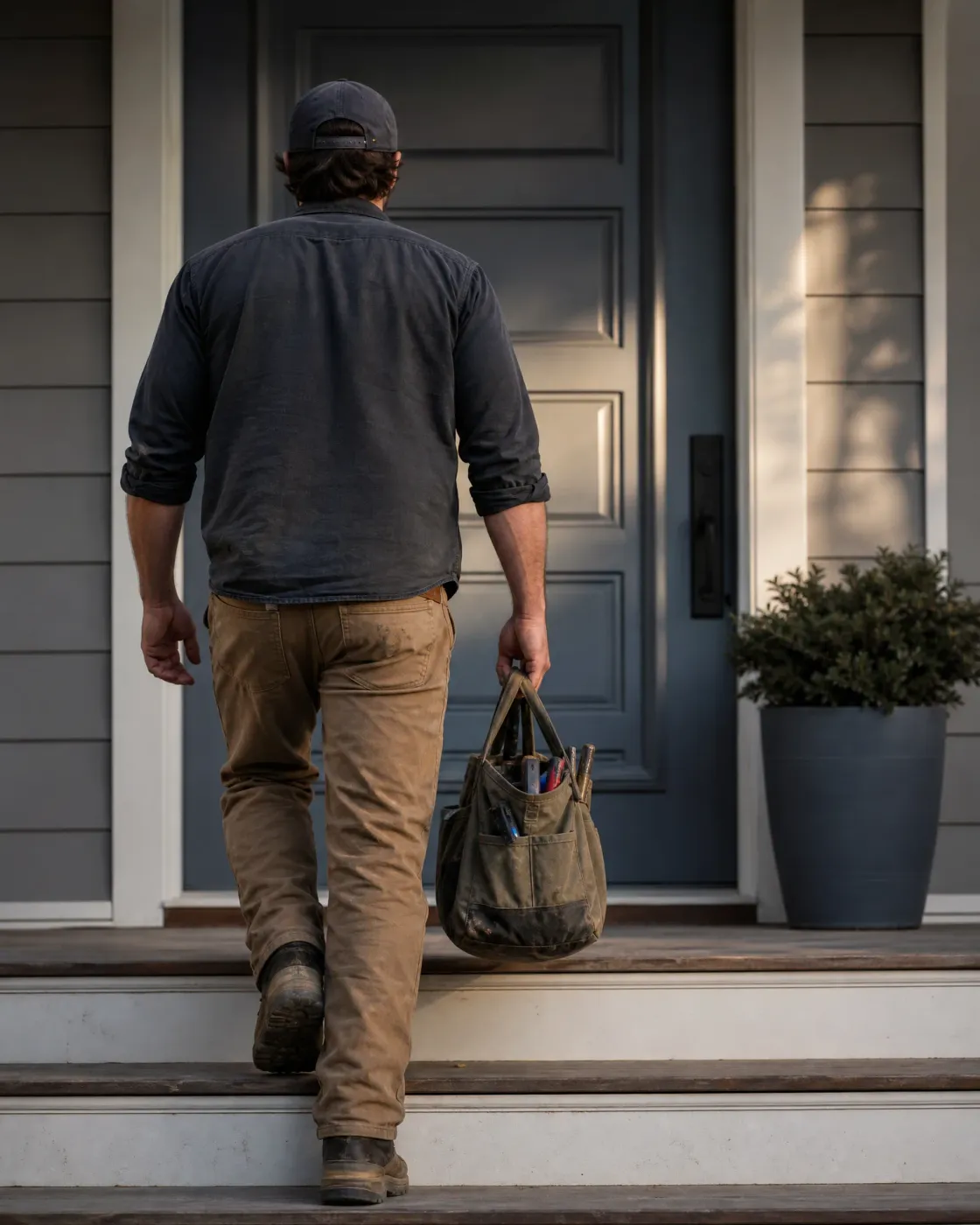
A man in a cap, dark shirt and tan work pants walks up porch steps toward a dark blue paneled front door, carrying a canvas tool bag, with a potted shrub beside the entry.
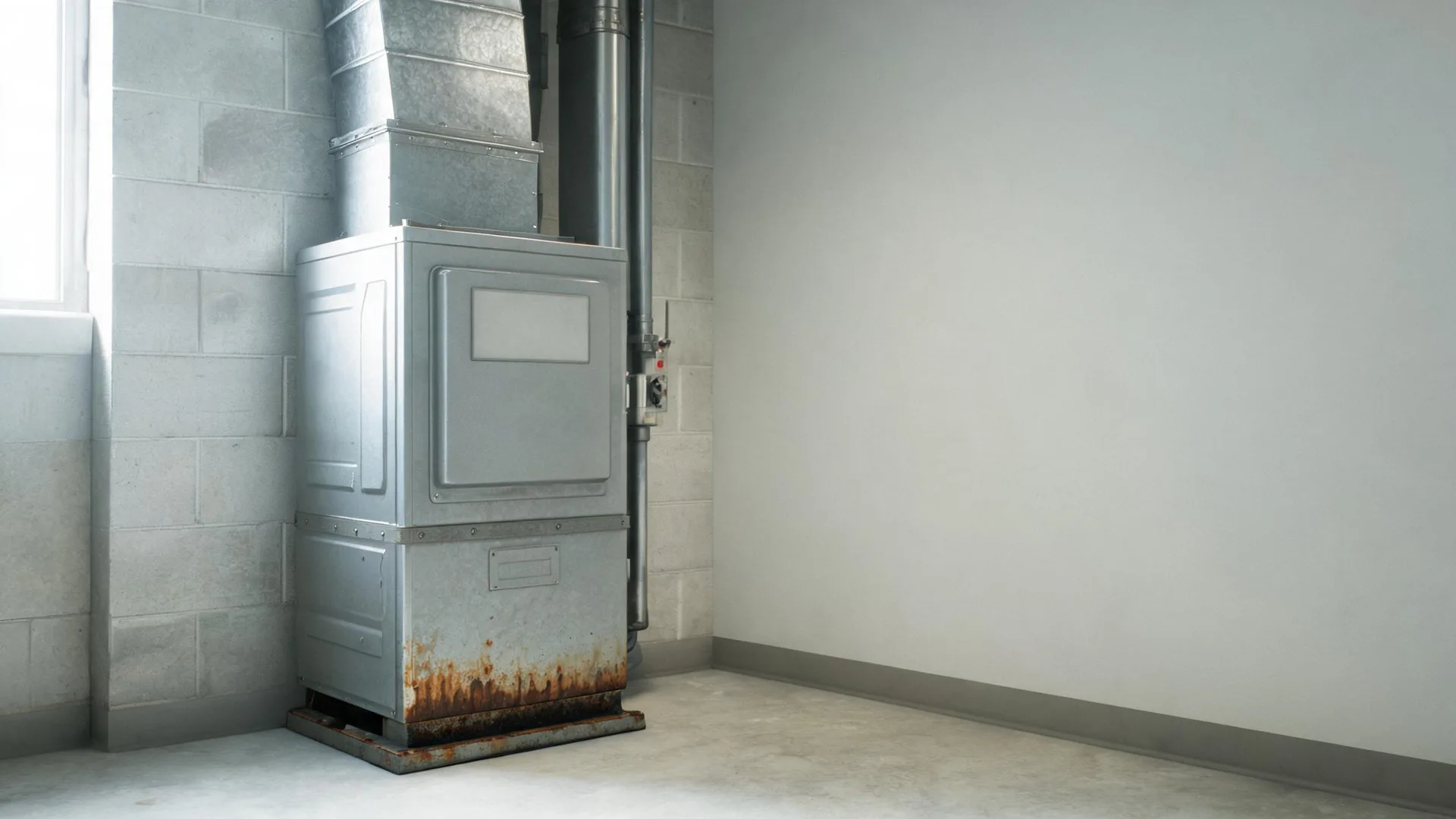
A gray high-efficiency gas furnace installed in an unfinished basement, surrounded by gas lines, a condensate drain, and sheet-metal ductwork.

Ask what the repair is actually buying you

If your furnace came with the house, ask the contractor straight out how much life it has left. A repair on a unit that old should buy you real time, not just get you through to the next breakdown. Worth knowing before you pay for the fix, not after.

Ignition trouble is the most common call

A furnace that won't light is usually the igniter or the flame sensor, not the gas valve. The igniter burns out from simple age, the same way a bulb does. The flame sensor just needs cleaning most of the time, since it only has to sense a flame, not survive one, and soot builds up on it over a season of use.
A misfire left alone spreads to other parts

An igniter or flame sensor problem is a quick, contained repair on its own. But a furnace that's been struggling to light for a while puts repeated hard starts on the hot surface ignition system and the circuit board that controls it. The longer that goes on before anyone calls, the more likely the fix involves more than the one part that started it.

Before you call, check the thermostat is set to heat and the setting is above room temperature, not just on. Go look at the filter. If you can't see light through it, that's choking airflow and can make the furnace shut itself off partway through a cycle. Check that the switch on the furnace itself, the one that looks like a light switch on the side of the unit, is flipped on, and that the power switch or breaker for it hasn't tripped. If your furnace has a standing pilot, see whether it's lit. If it's gone out, the pilot light assembly usually has a lighting instruction right on it. None of this fixes a cracked heat exchanger or a dead igniter, but it rules out the things that look like a broken furnace and aren't.

A diagnostic visit starts with questions, not tools. The contractor asks what the furnace is doing, when it started, and whether it happens every cycle or only some. Then the panels come off. He'll check voltage at the igniter, read the flame sensor's signal, test the pressure switch, check that gas is actually reaching the burner. Most control boards store a fault code, a pattern of blinks that points to one part of the system over the rest. That narrows things down before any part gets pulled. A tech who's done this a while can often guess what's wrong just from the sound of the cycle or how long it ran before it quit, then confirms it by testing that part directly. The last step is telling you plainly what failed, what fixing it takes, and what happens if you leave it alone.