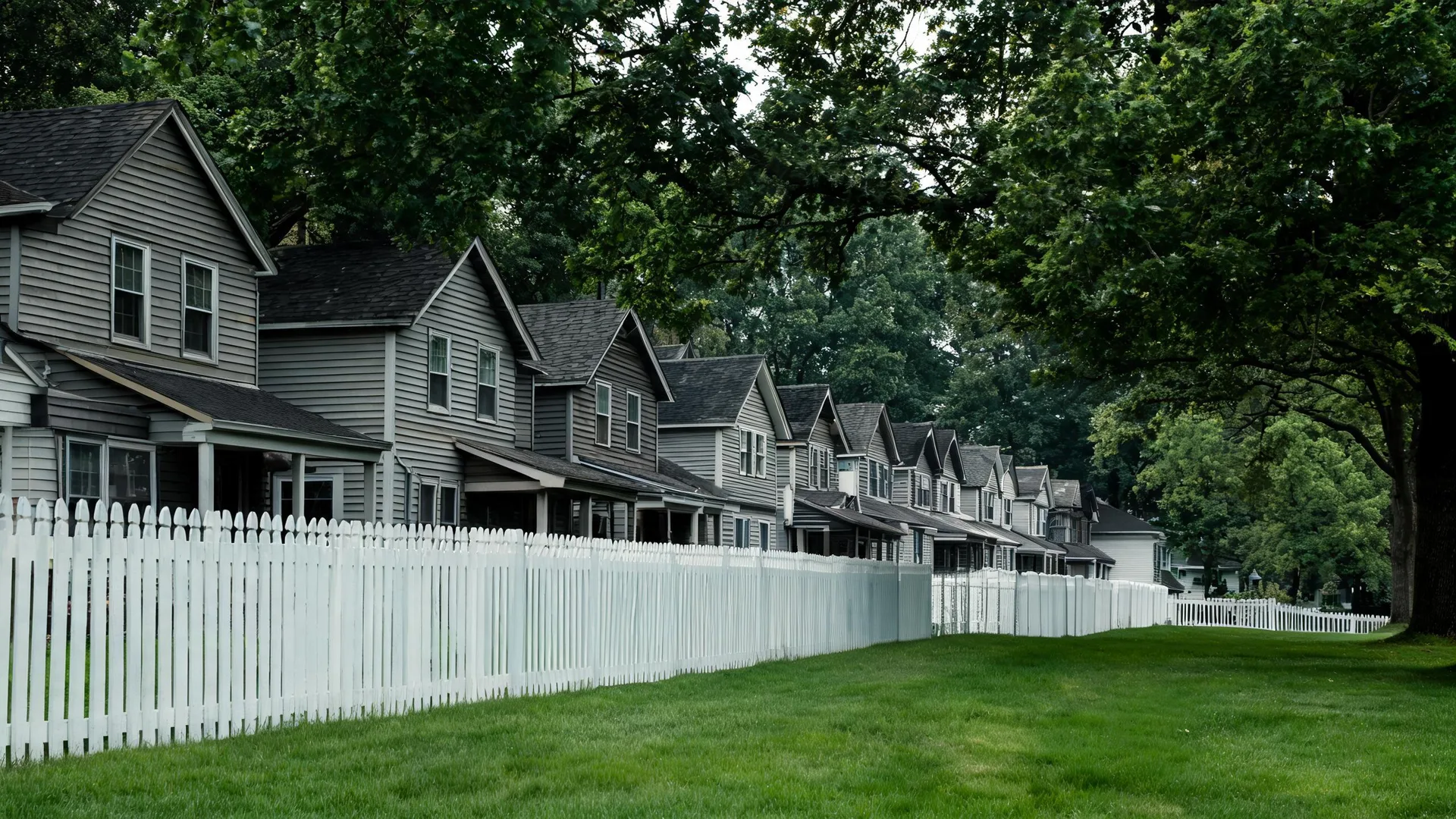



A row of gray clapboard houses with gabled roofs behind a long white picket fence, with mown grass in the foreground and large leafy trees overhead.

Furnace Repair in Glens Falls, NY

Tell us about the job

Takes about a minute. No obligation.

RepairFurnace or heatingWarren County, NY
Step 1 of 2

What ZIP code is the job in?

Warren County saw 265 severe weather events between 2015 and 2024. Most of that was wind, 192 events, with 59 winter storms bringing heavy snow and ice on top. Wind and ice both go after power lines, and a furnace with a gas burner still needs electricity to run the blower and the ignition control. Statewide, 11% of households went at least a day without power in 2024. A furnace that cuts out when the lights do isn't broken. But if the power was out long enough for pipes or the house to get cold, it's worth having the system looked at once it's back on.

9 months
September through May, your furnace is on duty
12°F
the average winter night it heats against
59 winter storms
in ten years, the nights a failure hurts most
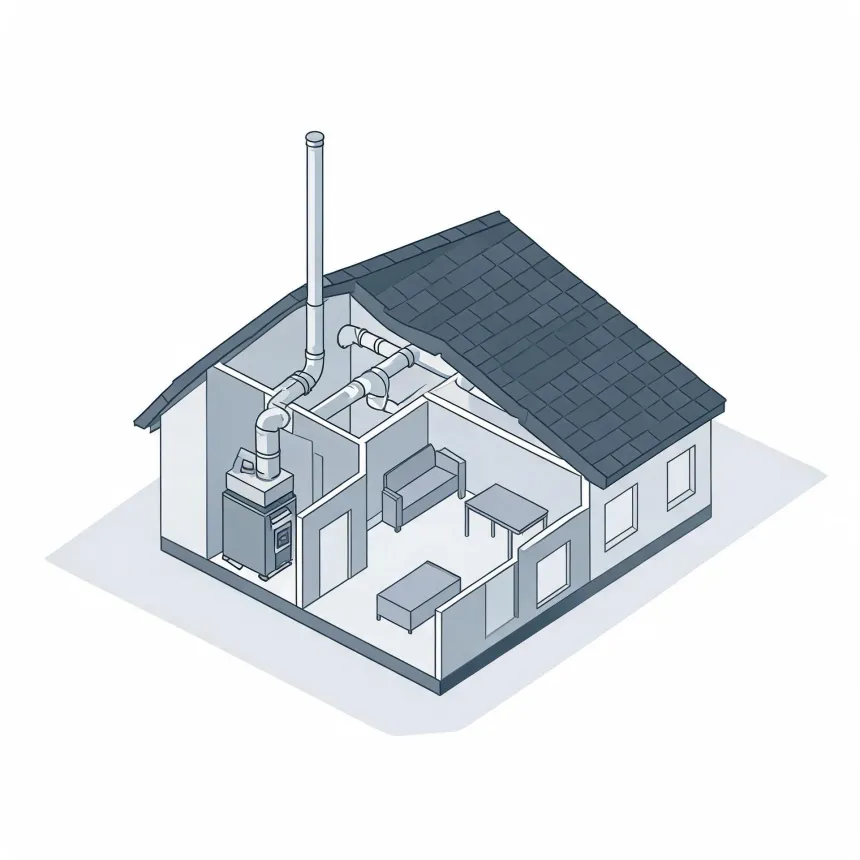
Isometric line illustration of a cutaway single-story house with a shingled roof, showing an interior furnace connected to ductwork and a tall vertical flue pipe, plus simple furniture in the adjacent room.
Your furnace works hardest from November through March.

NOAA nClimDiv, 1991–2020 normals

Your furnace runs nine months a year here, September through May.

That long a run time wears parts down faster, so a repair now is worth doing right.

Half the furnaces here are older too

Half the homes here were built by 1973
Climate zone 6A
Heat runs September through May
Gas costs more hereNew York gas ran $16.03 per million Btu in 2024, and a furnace running rough burns through more of it every month.

Furnace trouble tends to show up right when the system starts working hard again. Homes here start running heat in September, which means August is the last quiet month before the load hits. If a part was already weak, that first cold stretch is what finds it. By December, January and February, overnight lows here average 12 degrees, and a furnace with a bad igniter or a failing blower motor doesn't have room to limp along at that point. Getting a furnace checked in August or early September, before the first real cold snap, catches a weak part while it's still an easy fix instead of a no-heat call in January.

After the power comes back on, have the furnace checked

A furnace that cuts out in a storm is doing what it's supposed to do. The part worth checking is what comes after. If the power was out long enough for the house to get cold, or the outdoor unit took wind or debris, get it looked at before the next cold stretch finds the weak spot.

Find a contractor
A gray high-efficiency gas furnace installed in an unfinished basement, surrounded by gas lines, a condensate drain, and sheet-metal ductwork.

Nine months of runtime, and storms on top of it

Run the clip through and most of it is winter. Nine months of heat means this furnace is on through nearly every storm that hits the county, 59 of them between 2015 and 2024. Each one is a chance for the power to drop and come back, and a part that's already worn has less give for that than a fresh one does. If this furnace has been acting up, get it looked at now instead of waiting for a storm to force the question.

A short cycle is still a strain

A furnace that shuts off on its own, then fires back up a few minutes later, is tripping a safety switch somewhere. That might be a flame sensor reading dirty, a blocked vent, or a blower that can't keep up with the heat the burner is making. Letting it keep cycling that way doesn't give the part a chance to recover. It just runs it through the same stress over and over until something fails outright.

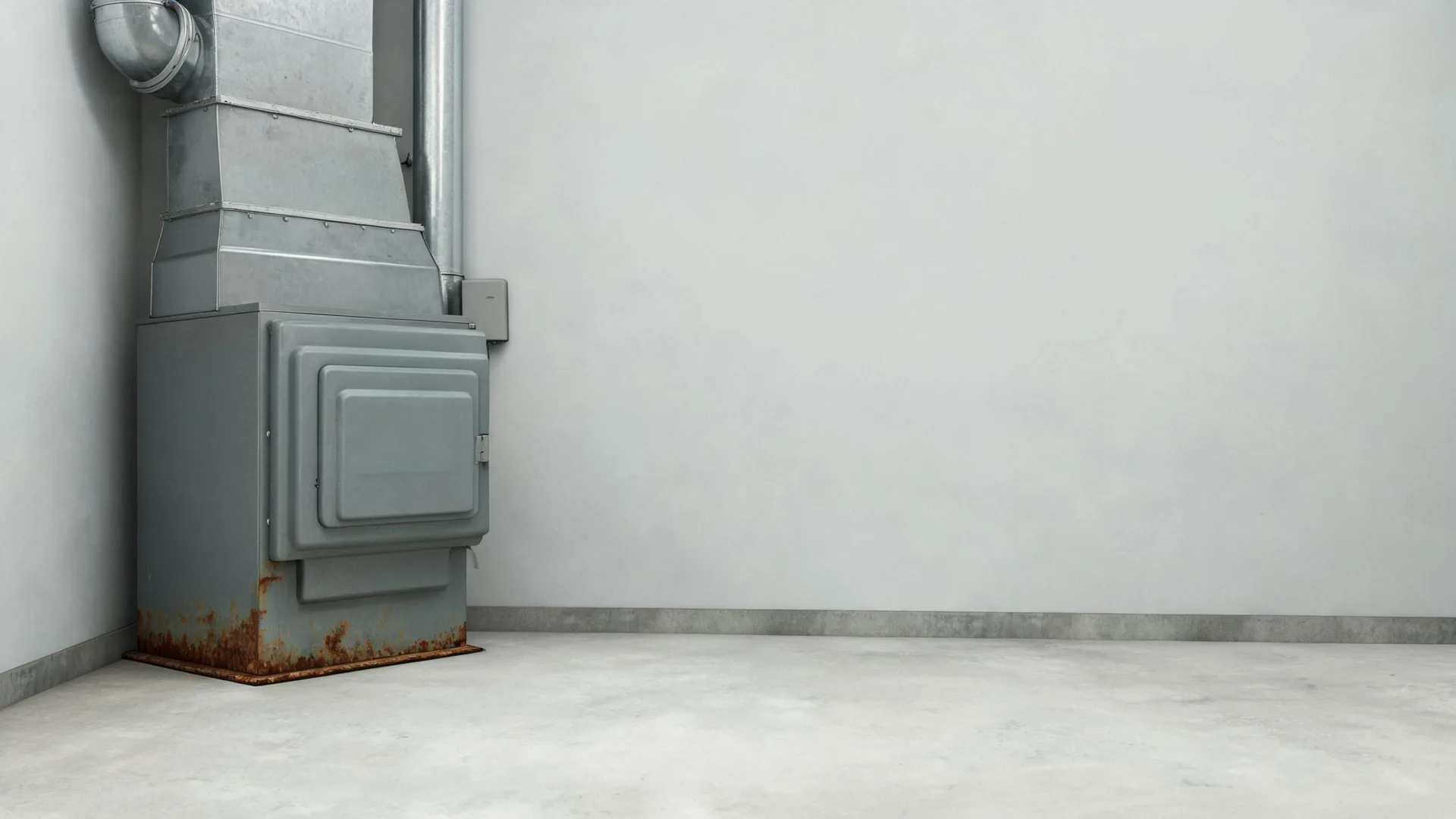
A cracked heat exchanger doesn't wait

If a heat exchanger has a crack, running the furnace flexes that metal every time it heats up and cools down. The crack opens wider each cycle. Left alone, it stops being a repair and becomes a reason to shut the furnace off until it's replaced. Catching it early is the difference between swapping a part and swapping the whole unit.

A gas furnace with sheet-metal ductwork and PVC pipes installed in an unfinished basement.

A new furnace would cut about $200 a year off heating for a typical Warren County home.

  • A new high-efficiency furnace$840 a year
  • An older furnace$1,040 a year

Estimates for a typical Warren County home, compared with an older unit built to the previous federal minimum, from EIA household energy data, New York fuel prices and NOAA climate normals. Your home will differ.

Repair makes sense when one part has failed and the heat exchanger is sound.

Replacement makes sense when the heat exchanger is cracked or the furnace keeps needing parts.

A diagnostic visit starts before any panel comes off. A tech will ask what it's doing: short cycling, no heat at all, a smell on startup, a noise that wasn't there before. Then the cover comes off and they check the sequence of operation, watching whether the igniter glows, whether the gas valve opens, whether the flame sensor picks up a signal and lets the burner stay lit. They'll check the blower motor and the capacitor that starts it, since a motor that's struggling to spin up shows up as a delay or a hum before it kicks on. The flue and the heat exchanger get a look too, because a crack or a blockage there is a safety issue, not just a comfort one. Most of this is testing with a meter, not guessing. A tech reads voltage at the control board, checks resistance on a sensor, and watches how the furnace behaves through a full cycle before saying what's wrong with it.