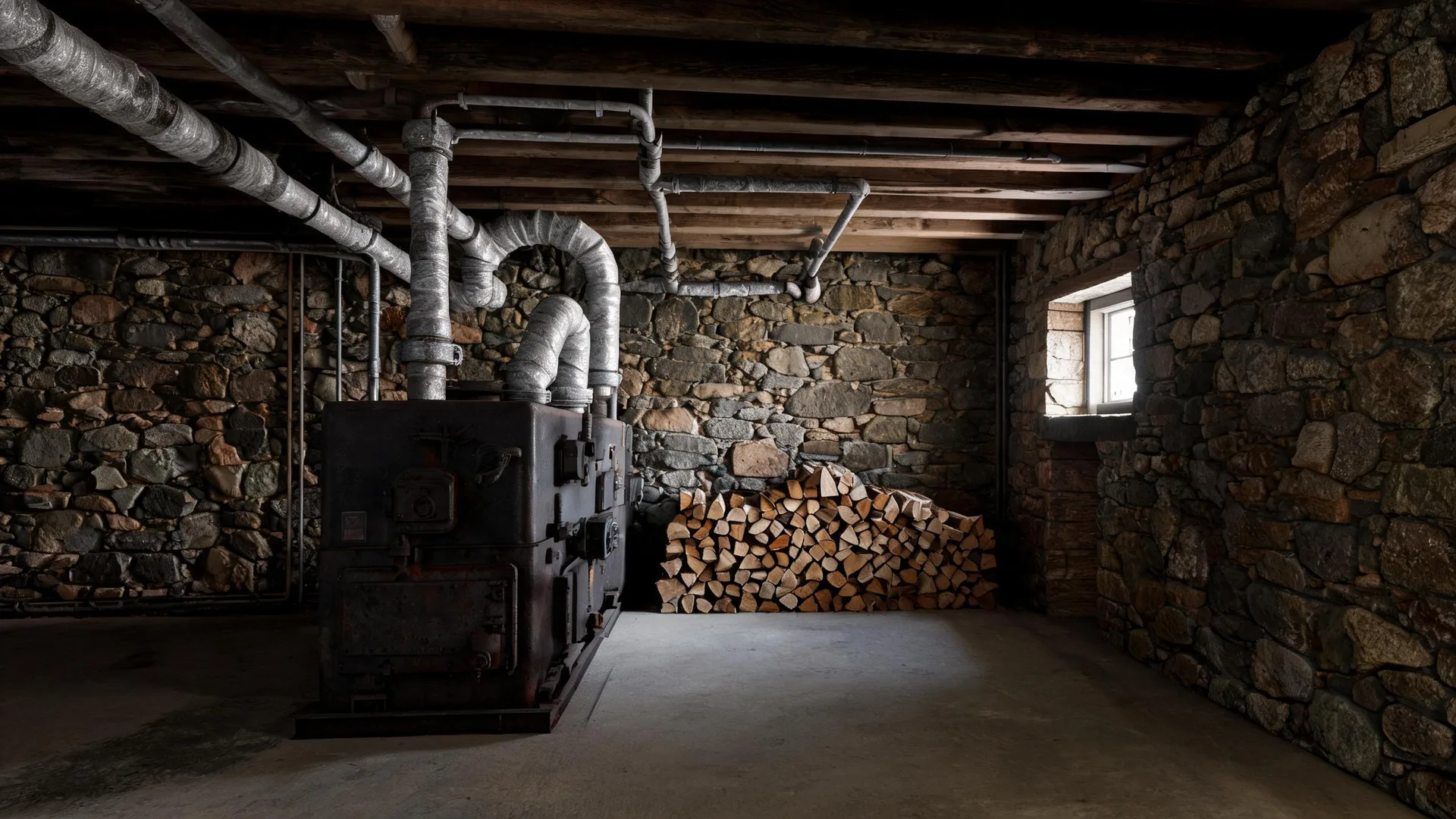
Most homes here run on gas
Utility gas heats 52% of homes in Westchester County, more than any other fuel. Oil is next at 28%, then electricity at 14.4%.
Takes about a minute. No obligation.
Utility gas heats 52% of homes in Westchester County, more than any other fuel. Oil is next at 28%, then electricity at 14.4%.
If your current furnace runs on gas, installing another gas furnace means working with the gas line and venting already in place. That's a simpler job than switching fuels.
NOAA nClimDiv, 1991–2020 normals
Westchester County saw 42 winter storms between 2015 and 2024, more than any other severe weather type here.
A standard furnace sized to your home handles that fine. Nothing about this county calls for oversizing it.



Yonkers sits in climate zone 4A, a mixed zone that asks real work of both the furnace and the AC. Any gas furnace installed here now has to hit at least 80 percent AFUE, the federal minimum for non-weatherized units. That floor is rising. Furnaces manufactured from December 2028 onward will have to reach 95 percent AFUE instead. A furnace installed before then still only has to meet the current 80 percent minimum, since the higher standard applies by manufacture date, not install date.
A standard furnace size and efficiency fits this house fine. Gas runs $16.03 per million Btu in New York, and that cost comes from the furnace you pick, not from anything about this county that pushes you toward a bigger or pricier unit.
Find a contractorFurnace here runs about eight months a year, October through May. That's most of the year, not a season. Overnight lows average 24°F across December, January and February, so the furnace isn't just cycling on and off, it's working to hold the house against real cold for weeks at a stretch. None of that calls for anything beyond a standard unit sized right for your house. It just means the furnace earns its keep.
A contractor should measure your house room by room before naming a furnace size. Going by the old unit's size or a square footage rule of thumb often gets it wrong in both directions. A furnace that's too big short cycles and wears out faster. One that's too small runs constantly and still can't keep up on the coldest days.
A higher efficiency furnace vents differently than a standard one. It needs its own intake and exhaust pipe, usually through a sidewall, instead of tying into an existing chimney. That changes where the pipes run and what gets patched or sealed once the old vent connection is gone. Get this settled before install day, not during it.
Estimates for a typical Westchester County home, from EIA household energy data, New York fuel prices and NOAA climate normals. Your home will differ.
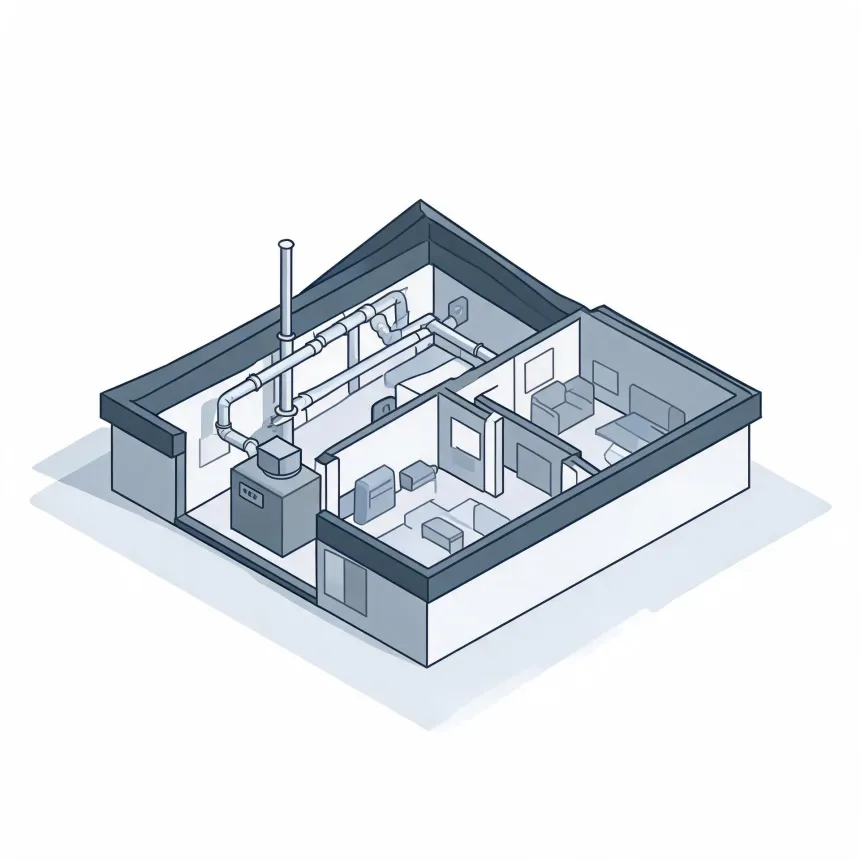
Install day starts with the old furnace coming out. The gas line gets disconnected and capped, the old vent connection gets pulled, and the ductwork tied into the plenum gets opened up. That's when a contractor finds out whether the new unit can sit exactly where the old one did or needs to shift for clearance or venting. Setting the furnace, running gas back to it and connecting the vent pipe takes real time. A lot of the day goes to things you won't see, like checking gas pressure at the manifold and confirming static pressure in the ducts. The furnace also gets run through a full cycle before anyone calls it done. One that fires up but never gets tested under load can hide a problem that shows up on the first real cold night.