




A gas furnace with sheet-metal ductwork and PVC pipes installed in an unfinished basement.

Furnace Installation in Utica, NY

Tell us about the job

Takes about a minute. No obligation.

New system or replacementFurnace or heatingOneida County, NY
Step 1 of 2

What ZIP code is the job in?

Gas here cost $16.03 per million Btu in 2024, among the higher rates the EIA tracks for any state. A furnace burns gas to make heat, so a more efficient model wastes less of every dollar you spend on it. That gap matters more in Utica than it would somewhere with cheap gas. When you're comparing furnaces for a new install, it's worth weighing the efficiency rating against the price tag, not just the price tag alone. A cheaper furnace that burns more gas will cost you back the difference over the winters you run it.

9 months
September through May, your furnace is on duty
15°F
the average winter night it heats against
57%
of homes here heat with gas, so most furnaces here burn gas
80% AFUE
the federal minimum any new unit must meet
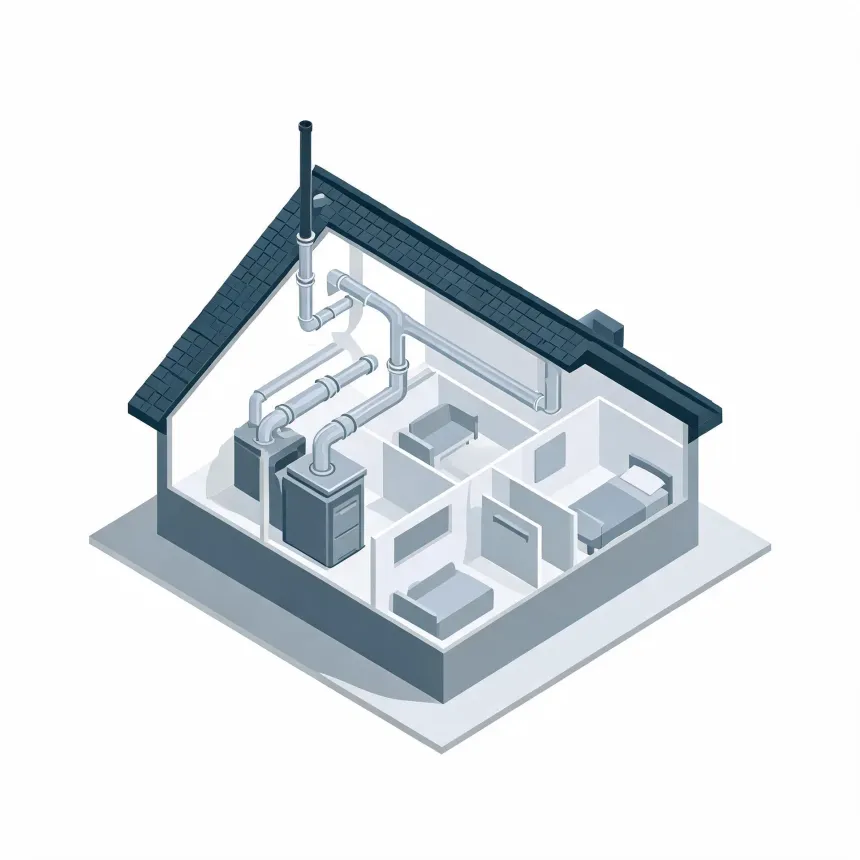
Isometric illustration of a cutaway house showing a furnace unit with ductwork and a flue pipe running through the interior rooms, which contain simple furniture.
Your furnace works hardest from November through March.

NOAA nClimDiv, 1991–2020 normals

Half the homes in Oneida County were built in 1958 or earlier.

A furnace going into a house that old has to match the house, not just the room it sits in.

Most of Utica heats with gas, so a gas furnace is the easy call

57.3% of homes heat with gas
Heat runs September through May
Winter nights average 15°F

Furnace here starts running in September and goes through May. August is the last quiet month before that, the stretch when nothing is on the line yet. If your furnace is on its way out, that's the window to replace it, while you still have time to pick the right unit instead of taking whatever's on the truck. Wait until the system fails in the middle of its nine months of work and the choice gets made for you fast.

Efficiency pays here

Power costs more here, so an efficient system pays you back on every bill.

Find a contractor
A man seen from behind in a dark shirt and tan work pants carries a canvas tool bag up stone steps toward a gray panelled front door of a shingled house, with a potted shrub beside the entry.
A gray residential gas furnace installed in an unfinished basement, surrounded by ductwork, a metal flue pipe, and a gas supply line.

The old furnace doesn't linger

Once the new furnace is in, the old one gets disconnected and hauled out. The gas line gets capped, and the flue or vent gets sealed up or repurposed for the new unit. A furnace at the end of its life usually has a cracked heat exchanger, a failing igniter, or a blower motor that's seized or close to it, so there's nothing in the old unit worth keeping as a working part. Some of the metal gets scrapped, and the rest gets hauled off as waste. If the old furnace had a standing pilot, there's no power draw to worry about once it's disconnected, it was never wired in to begin with. The install crew handles all of this as part of putting in the new system, so the old furnace isn't something you need to deal with on your own.

Ask what size furnace the job needs, not what size the old one was

The right output comes from a load calculation, a room by room look at the house, not just matching the number on the furnace that's coming out. A furnace sized off the old unit can end up too big, which means it short cycles and wears out faster, or too small, which means it runs long and never quite keeps up on the coldest days.

Ask how the furnace is vented

A high efficiency furnace vents through PVC pipe out a sidewall because the exhaust runs cool enough not to need a metal flue. A standard efficiency furnace still needs a metal flue venting up through the roof or into a chimney. That difference changes where the pipe can run and what the installer has to open up or seal to put it there.

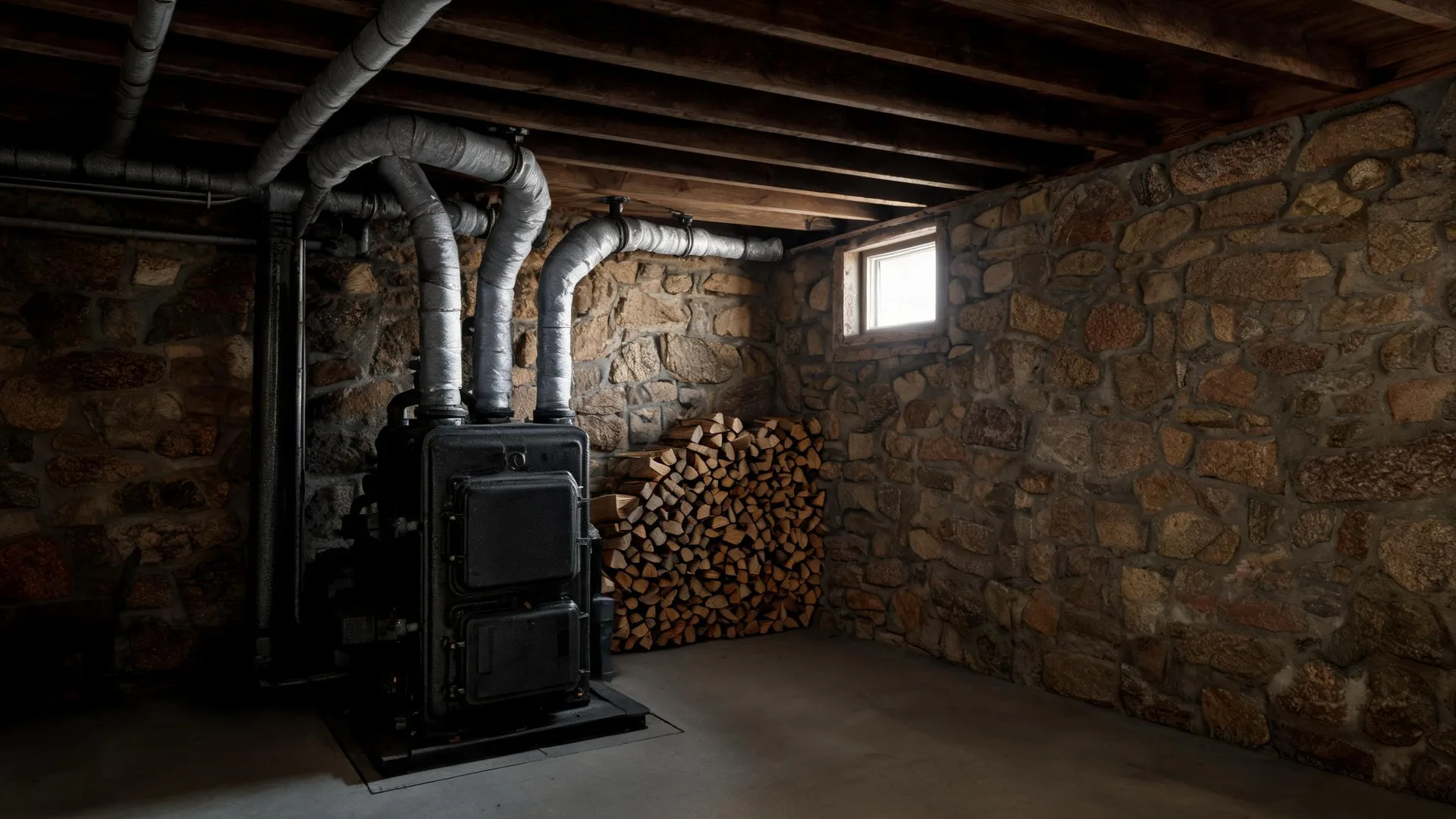
An unfinished basement featuring a forced-air furnace, exposed wooden ceiling joists, bare concrete walls, and miscellaneous items including cardboard boxes and coiled cables on the floor.

A high-efficiency gas furnace would save about $170 a year to run in Oneida County compared with a gas furnace.

  • A high-efficiency gas furnace$790 a year
  • A gas furnace$960 a year

Estimates for a typical Oneida County home, from EIA household energy data, New York fuel prices and NOAA climate normals. Your home will differ.

The crew starts by pulling the old furnace out and clearing the space around it. New duct connections and gas line fittings get run to match the new unit, since furnaces don't all hook up the same way. Once it's set in place, the gas line gets pressure tested and the flue or vent gets checked for a tight seal. Then the furnace gets fired up and run through a full cycle while the installer checks the flame, the airflow at the registers, and how much the air warms up passing through the unit. A combustion analyzer checks the exhaust to confirm it's burning clean. Before the crew leaves, they'll walk through the thermostat settings and show you where the filter goes.