An unfinished basement featuring exposed ceiling joists, a metal HVAC unit with round ductwork, a hanging light bulb, and scattered boxes and debris along the left wall.

Furnace Installation in Troy, NY

Tell us about the job

Takes about a minute. No obligation.

New system or replacementFurnace or heatingRensselaer County, NY
Step 1 of 2

What ZIP code is the job in?

Weather here takes its toll

Rensselaer County saw 358 severe weather events between 2015 and 2024, including 301 cases of damaging wind, 14 hail events, 38 winter storms and a tornado. Storms like these knock out power across the county on a regular basis.
Outages reach gas furnaces too

A gas furnace still needs electricity to run its blower and ignition system. In 2024, 11% of New York households went at least a full day without power. A new furnace is worth installing with that in mind.

8 months
October through May, your furnace is on duty
17°F
the average winter night it heats against
80% AFUE
the federal minimum any new unit must meet
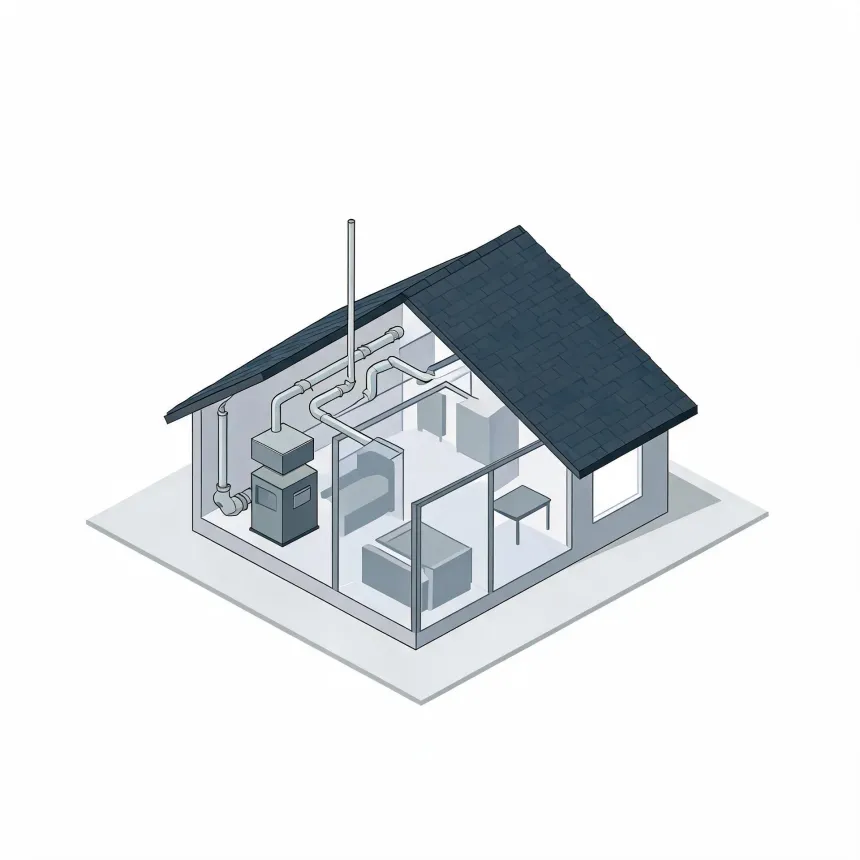
Isometric cutaway illustration of a small house with a dark shingled roof, showing an interior furnace unit, ductwork, and a flue pipe extending through the roof.
Your furnace works hardest from November through March.

NOAA nClimDiv, 1991–2020 normals

Half the homes in Rensselaer County were built in 1962 or earlier.

An older furnace was sized and vented for an older house, so a new one has to be matched to the house you actually have.

Heat runs most of the year here, and gas isn't cheap in New York

Climate zone 5A
Heat runs October through May
Winter nights average 17°F
Built for a furnace that runs eight months straightHomes in Rensselaer County heat from October through May

Rensselaer County sits in climate zone 5A, a cool zone where heating carries most of the load. Any furnace installed here has to clear a federal efficiency floor, and that floor depends on when it was built. Furnaces made from November 2015 on have to turn at least 80 percent of their gas into heat over the winter. That rises to 95 percent for furnaces made from December 2028 on, so what counts as compliant is about to get a lot stricter. A furnace going in now still only has to meet the 80 percent mark, but it's worth knowing the bar is moving.

Plan this furnace around the outages, not just the cold

A furnace that cuts out when the power does leaves a house with no heat until the lines are back up. If this installation includes a backup power option, that's the time to ask about it, along with where the unit sits and how it's protected.

Find a contractor
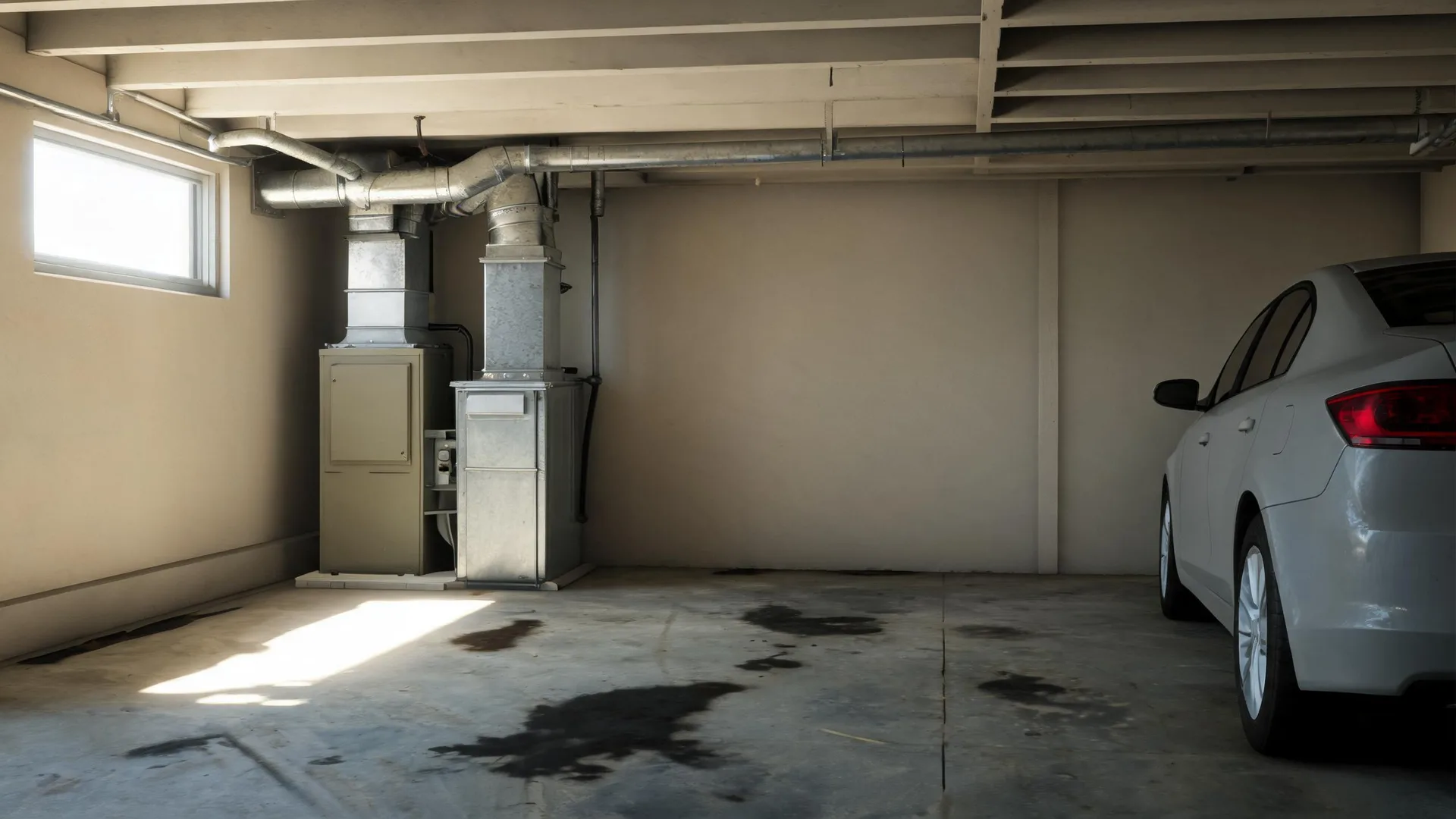
A gray residential gas furnace installed in an unfinished basement, surrounded by ductwork, a metal flue pipe, and a gas supply line.

Eight months of work, one month to get ready

Furnace season here runs eight months, October through May. That's longer than it sits idle. September is the one month before it starts, and it's the month to get this done. Install it then and the first cold night is just another night the furnace already knows how to handle. Wait until overnight lows are averaging 17°F and the decision gets made in a hurry, with whatever unit is on hand and whatever install date is open. September is what makes this your schedule instead of the weather's.

Ask what happens when the power blinks

A gas furnace lights with an electronic igniter and pushes air with an electric blower, so a power blip can shut the whole thing down mid-cycle. Some furnaces restart that sequence on their own once power is back. Others lock out and need a reset at the switch or the breaker. Ask which one you're buying before it's installed, not after the first outage.

Ask what size the quote is based on

A contractor should size a furnace with a load calculation based on the house, its windows, its insulation, its layout, not just the furnace being replaced. A unit sized off the old equipment can end up too big or too small for the house it's actually heating. Ask to see the calculation, not just the number it ended up at.

An unfinished basement interior showing a gray furnace unit beneath a bare incandescent bulb, surrounded by exposed joists, concrete walls, cardboard boxes, and utility pipes.

A high-efficiency gas furnace would save about $160 a year to run in Rensselaer County compared with a gas furnace.

  • A high-efficiency gas furnace$720 a year
  • A gas furnace$880 a year

Estimates for a typical Rensselaer County home, from EIA household energy data, New York fuel prices and NOAA climate normals. Your home will differ.

Installation starts with the old furnace coming out, along with the vent pipe and ductwork connections tied to it. The installer checks the gas line, the electrical disconnect and the condensate drain if the new furnace needs one, since not every old setup has the right drain in place already. Ductwork often needs some rework where it meets the new cabinet, even when the new furnace goes in the same spot as the old one. Once it's set and connected, the installer fires it up and checks the flame, the temperature rise across the heat exchanger and the airflow at the vents. A combustion analyzer reading tells them the furnace is burning clean and venting correctly before they call the job done. Expect some noise and some time with no heat in the house while this happens, and expect the installer to walk through the thermostat and the filter location before they leave.