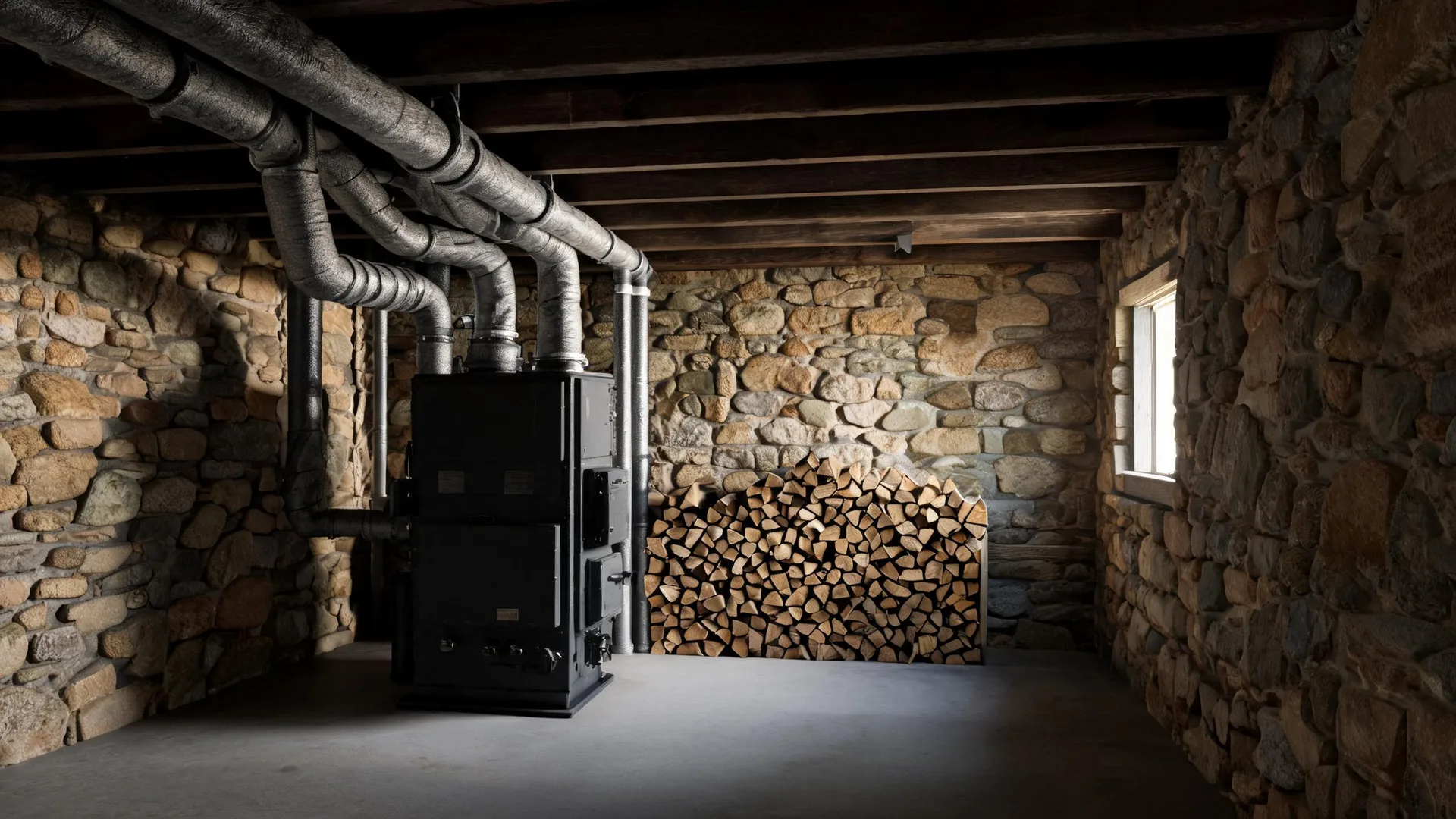
Gas is the default here
Utility gas heats 84.2% of homes in Rockland County. If your old furnace burned gas, a new gas furnace is almost always the straightforward choice for a Spring Valley home.
Takes about a minute. No obligation.
Utility gas heats 84.2% of homes in Rockland County. If your old furnace burned gas, a new gas furnace is almost always the straightforward choice for a Spring Valley home.
A house already piped for gas heat makes installation simpler, since the line and venting are set up for it. A switch to electric or propane means new fuel supply and venting work before the furnace itself goes in.
NOAA nClimDiv, 1991–2020 normals
Furnace replacements booked in September beat the October rush.
Heat goes on in October here and runs through May, so a September install means it's ready before you need it.




A furnace that's too big for the house cycles on, heats the place up fast, and shuts off again before it's pulled the damp out of the air. That short cycling wears the igniter and the blower motor harder than a longer, steady run would. One that's too small never gets ahead of the cold. It runs long stretches without hitting the thermostat setting, and the rooms farthest from the furnace stay chilly. Getting the size right means a contractor works out how much heat the house actually loses, room by room, looking at wall and ceiling insulation, window area, and how the place is laid out. That calculation is what tells them which furnace fits, not the size of the one that's coming out.
Heat runs here from October through May, and overnight lows average 23°F in December, January and February. That's a normal winter load for a furnace to handle, nothing a standard size and efficiency can't cover. There's no reason to pay for extra capacity this house doesn't need.
Find a contractor
The old furnace does not get left in place. Pulling it out is part of the same job as putting the new one in, since the space it sat in and the duct connections it used are about to carry a different unit. Once it is disconnected and hauled out, a contractor can see the condition of what it leaves behind. The plenum, the duct boots, the flue connector all get checked. Any of that built around the dimensions or output of the old equipment gets corrected to suit the new furnace rather than forced to match. The old unit itself usually goes to a scrap recycler, broken down for the steel and copper in it. What is left behind matters more than what gets hauled away. A clean teardown gives the new furnace a fair start, with nothing from the old setup quietly working against it.
A furnace's efficiency rating tells you how much of the fuel it burns turns into heat for the house, with the rest going out the flue. A higher rated furnace pulls more heat out of the same gas, run after run, for as long as it's in the house.
The efficiency number comes from testing the furnace on its own, not sitting in a house's ductwork. Weak return air, a duct run that's too narrow, or a furnace sized wrong for the house all drag the real efficiency below what's printed on the label. A furnace can only hit its rating if the ducts and the sizing around it are done right.
Estimates for a typical Rockland County home, from EIA household energy data, New York fuel prices and NOAA climate normals. Your home will differ.
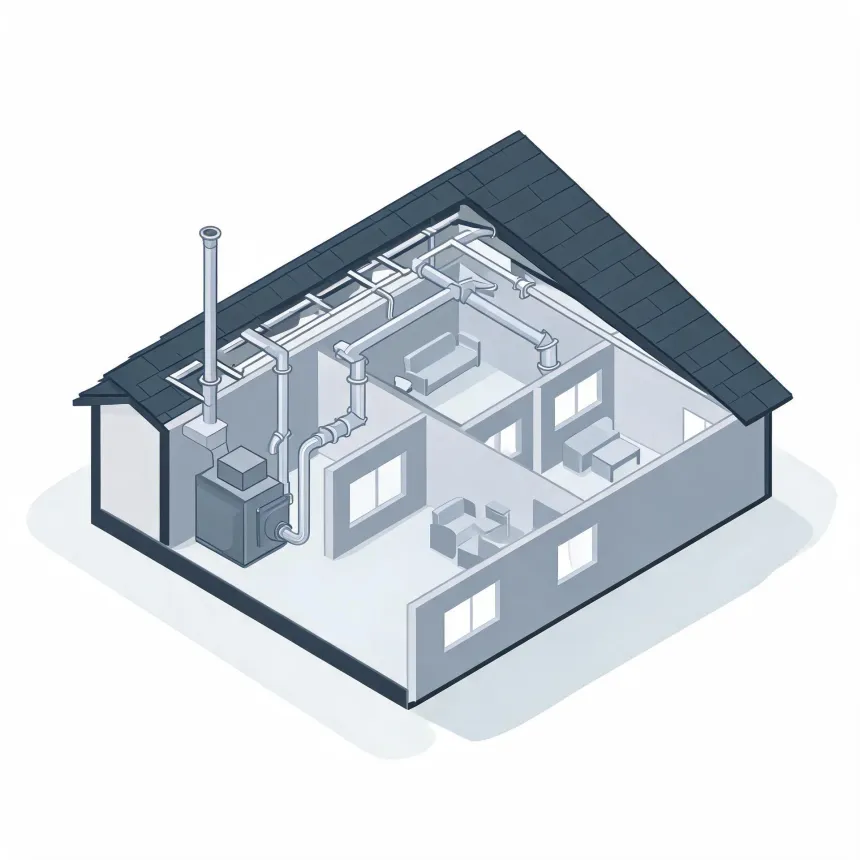
Install day starts with the old furnace coming out, and the ductwork and gas line get inspected before the new one goes anywhere near its spot. A contractor checks the vent pipe or flue too, since a new furnace can need a different venting setup than the one it's replacing. Once the new unit is set and leveled, the gas line, ductwork and venting all get connected, then tested for leaks before power goes to it. The furnace gets fired up and run through a full cycle, checking the flame, the airflow coming out of the vents, and the temperature rise across the unit. A contractor will also check the thermostat is talking to the new furnace correctly, since not every old thermostat works with every new system. Nothing gets left running until all of that checks out clean.