




A row of white Colonial-style houses with glowing windows photographed at dusk along a road bordered by a stone wall.

Furnace Installation in Queens, NY

Tell us about the job

Takes about a minute. No obligation.

New system or replacementFurnace or heatingQueens County, NY
Step 1 of 2

What ZIP code is the job in?

Gas heats 73.8% of homes in Queens, more than any other fuel. If a gas line already runs to your home, a gas furnace is the straightforward path, since the fuel supply and venting approach are already proven out on your street. Electric heat covers 10.3% of homes here, and fuel oil another 10.0%, usually in houses gas never reached. Whatever you have running now is a good starting point for what replaces it, unless something about the house has changed.

7 months
October through April, your furnace is on duty
28°F
the average winter night it heats against
74%
of homes here heat with gas, so most furnaces here burn gas
80% AFUE
the federal minimum any new unit must meet
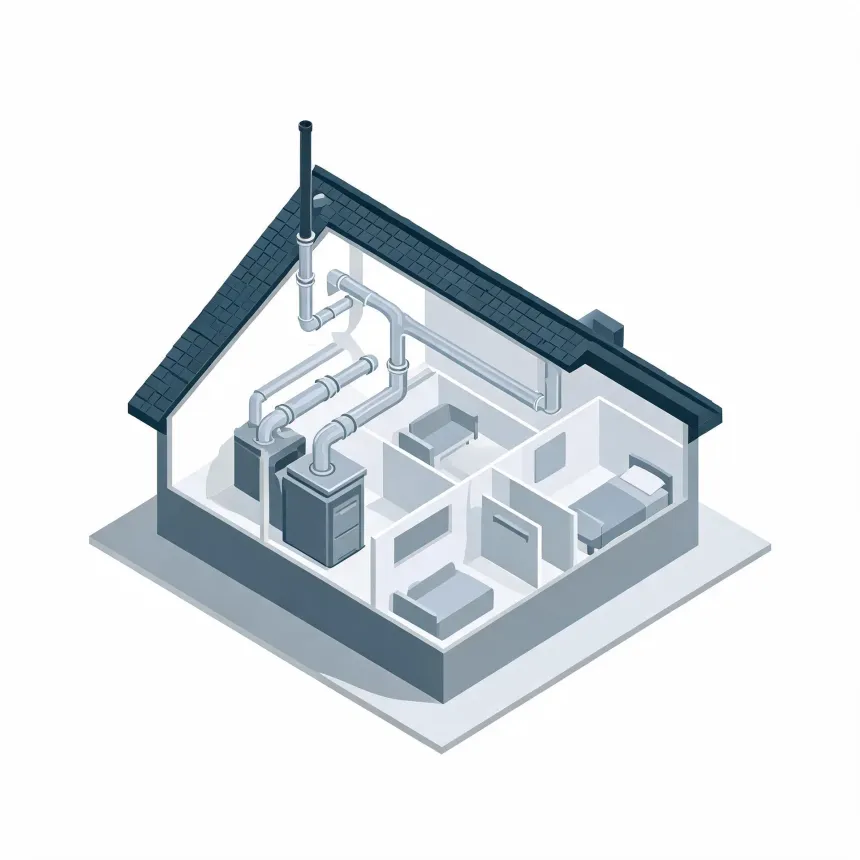
Isometric illustration of a cutaway house showing a furnace unit with ductwork and a flue pipe running through the interior rooms, which contain simple furniture.
Your furnace works hardest from November through March.

NOAA nClimDiv, 1991–2020 normals

The AFUE number on a furnace says how much of the fuel it burns turns into heat in your house, with the rest going out the flue.

A higher rating costs less to run every month it fires, so weigh that against what the unit costs upfront before you pick one.

Gas here runs $16.03 per million Btu, so the higher-AFUE model takes longer to earn back its extra cost

Climate zone 4A
Heat runs October through April
Winter nights average 28°F
Built for an older Queens homeHalf the homes in Queens County went up in 1953 or earlier.

Queens is in climate zone 4A, which asks real work of both your furnace and your AC over the year. Any furnace installed here now has to meet at least 80.0 percent AFUE, the federal minimum for non-weatherized gas units. That floor is set to rise to 95.0 percent, so a furnace bought today can still be installed at the current minimum or go well above it. A federal tax credit is available on qualifying high-efficiency equipment, which narrows the gap between what each option costs you upfront.

Get it installed before October, not after

Furnaces here start running in October and stay on through April. Putting a new one in during September means it's broken in and running right before the first cold night asks anything of it, instead of getting picked out while you're already cold.

Find a contractor
A gray high-efficiency gas furnace installed in an unfinished basement, surrounded by gas lines, a condensate drain, and sheet-metal ductwork.

Size it to the house you have now

A contractor sizing your new furnace should size it to the house as it stands now, not to the one that came out. Load calculations go by square footage, window count, ceiling height and how the place holds heat today, not by the rating on the old unit. That matters more in a house from this era, since whatever was added or changed over the years, insulation, replacement windows, an addition, changes what the furnace actually has to heat.

Ask what size the quote is based on

A contractor should walk the house and run a load calculation before naming a size, not just match the old furnace or guess by square footage alone. If someone quotes a number before they've looked at the place, ask what it's based on. A furnace that's too big cycles on and off instead of running steady, which wears the heat exchanger and leaves rooms uneven.

Ask what happens to the venting

A higher-efficiency furnace doesn't vent the same way an older one does. Low and mid-efficiency units vent hot exhaust up through a metal flue. High-efficiency units cool the exhaust enough to vent it through PVC pipe, often straight out a side wall, which means new pipe has to be run and a spot found for it. That changes the installation itself, not just the equipment sitting in the basement.

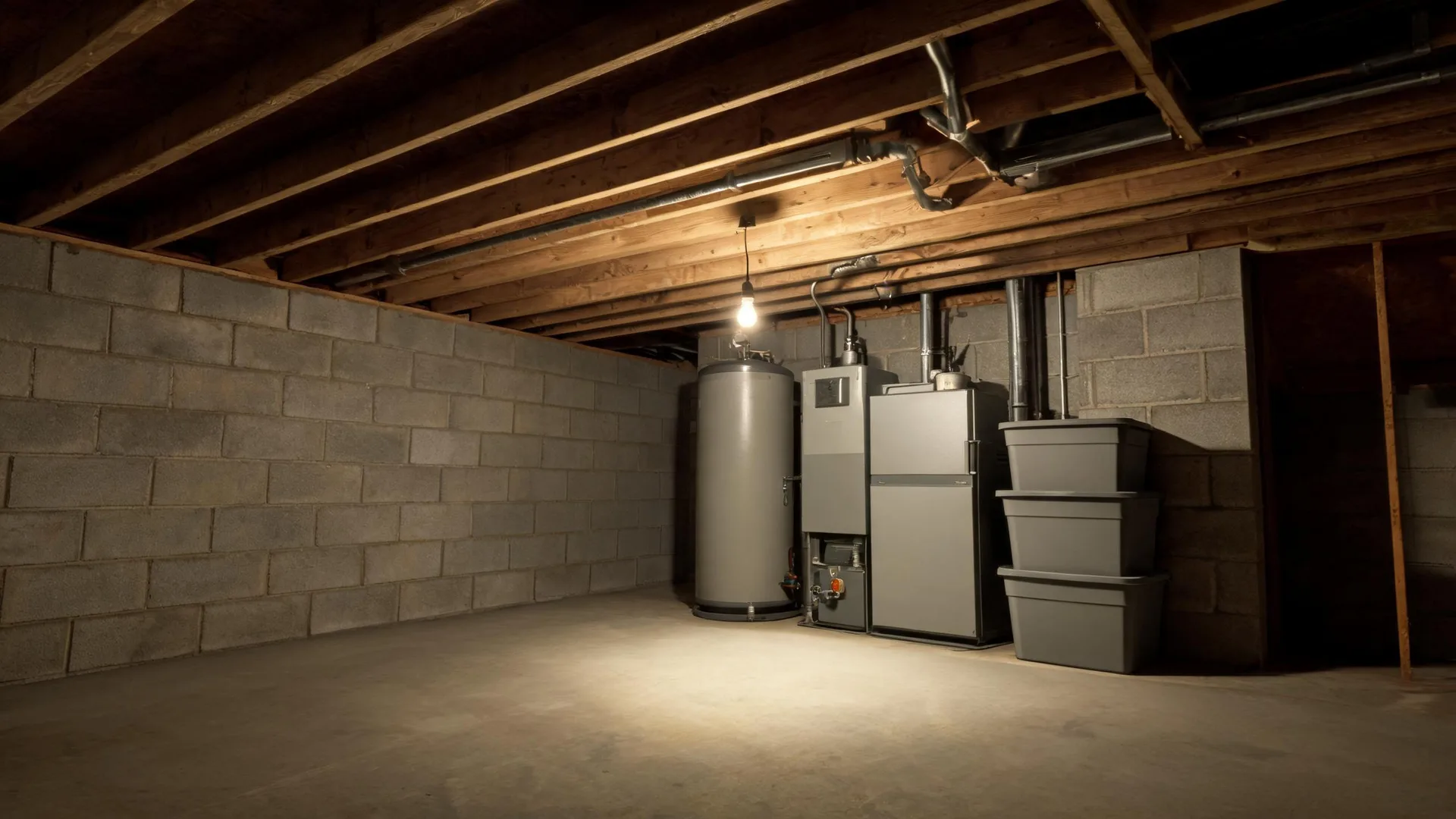
An unfinished basement featuring a forced-air furnace, exposed wooden ceiling joists, bare concrete walls, and miscellaneous items including cardboard boxes and coiled cables on the floor.

A high-efficiency gas furnace would save about $110 a year to run in Queens County compared with a gas furnace.

  • A high-efficiency gas furnace$500 a year
  • A gas furnace$610 a year

Estimates for a typical Queens County home, from EIA household energy data, New York fuel prices and NOAA climate normals. Your home will differ.

Installation day starts with the old furnace coming out, and that alone takes longer than people expect once the ductwork and gas line around it have to be disconnected and protected. The new unit gets set in place, leveled, and connected to the supply plenum and return before anyone turns a wrench on the gas line. Gas and electrical hookups come next, then the venting, which is where the hours go if the new furnace vents differently than the old one. Once it's all connected, a contractor runs the furnace through a full cycle, checks the flame, checks for gas leaks at every joint, and measures the temperature rise across the heat exchanger against what the manufacturer specifies. The last step is combustion analysis, reading the exhaust itself to confirm it's burning clean before anyone calls the job done.