






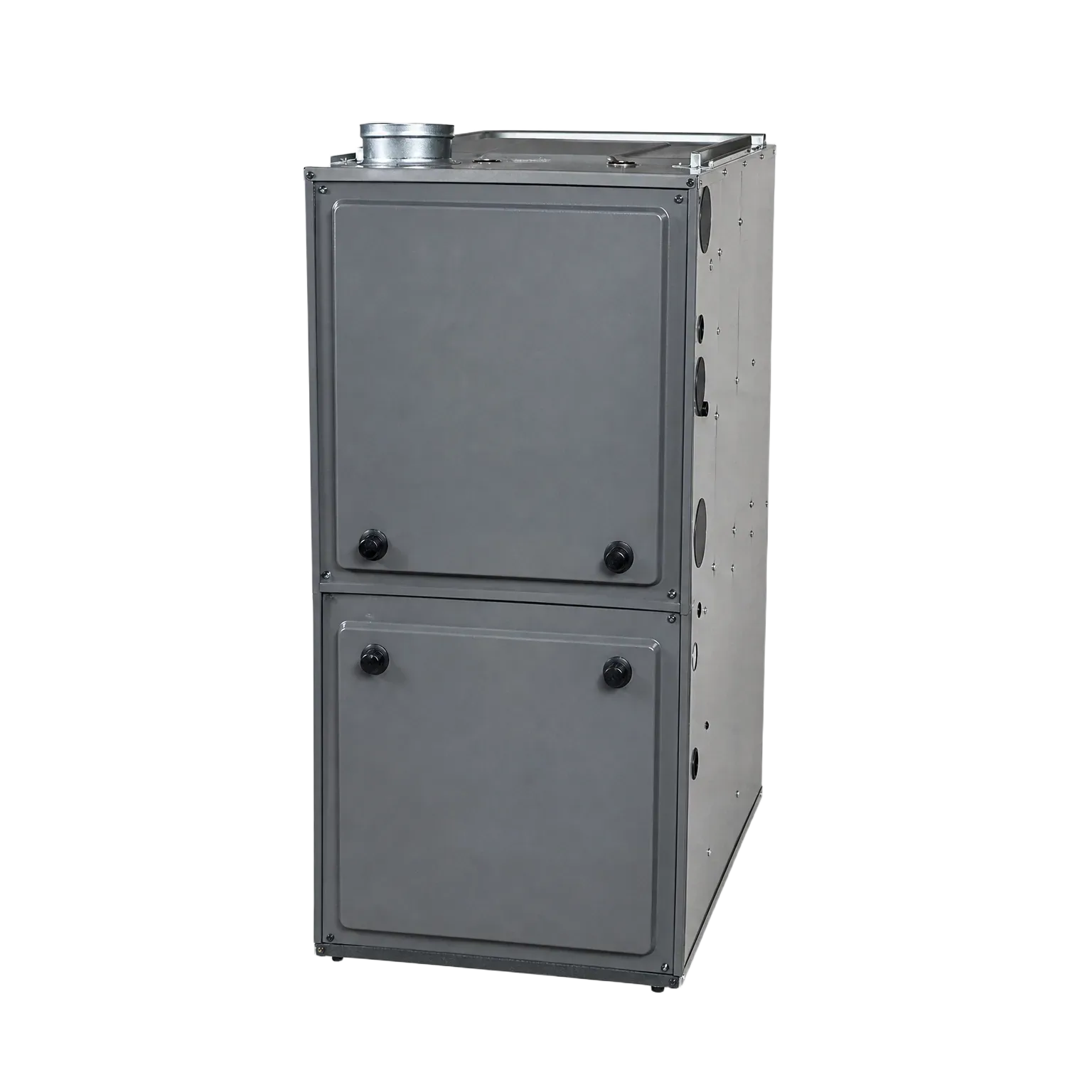
Heat pump vs gas heat in Queens, NY

Get matched with someone who does this kind of work in Queens County.

Find my pro

Is a heat pump better than gas heat in Queens?

Gas is already doing the job in most Queens homes, so swapping the furnace for a heat pump is a real question, not a given. Winters here get cold enough that the furnace runs hard for months, and electricity in New York costs more than in most of the country. Before replacing a working gas system, it makes sense to know whether a heat pump actually comes out ahead here, or whether it just trades one bill for a bigger one.

For most Queens homes, gas heat still wins on cost through a cold winter

A heat pump moves heat instead of burning fuel for it, which makes it efficient, but on the coldest days it has to work harder to pull warmth out of outside air, and that's exactly when your heating bill matters most. Gas burns hot regardless of the temperature outside, so a gas furnace keeps its output steady through January and February. With electricity priced the way it is in New York, running a heat pump through a full Queens winter can cost more than running a gas furnace, even though the heat pump uses less energy overall. If your gas line and ductwork are already in place, staying with gas for heat and adding a heat pump only for cooling is often the better split here.

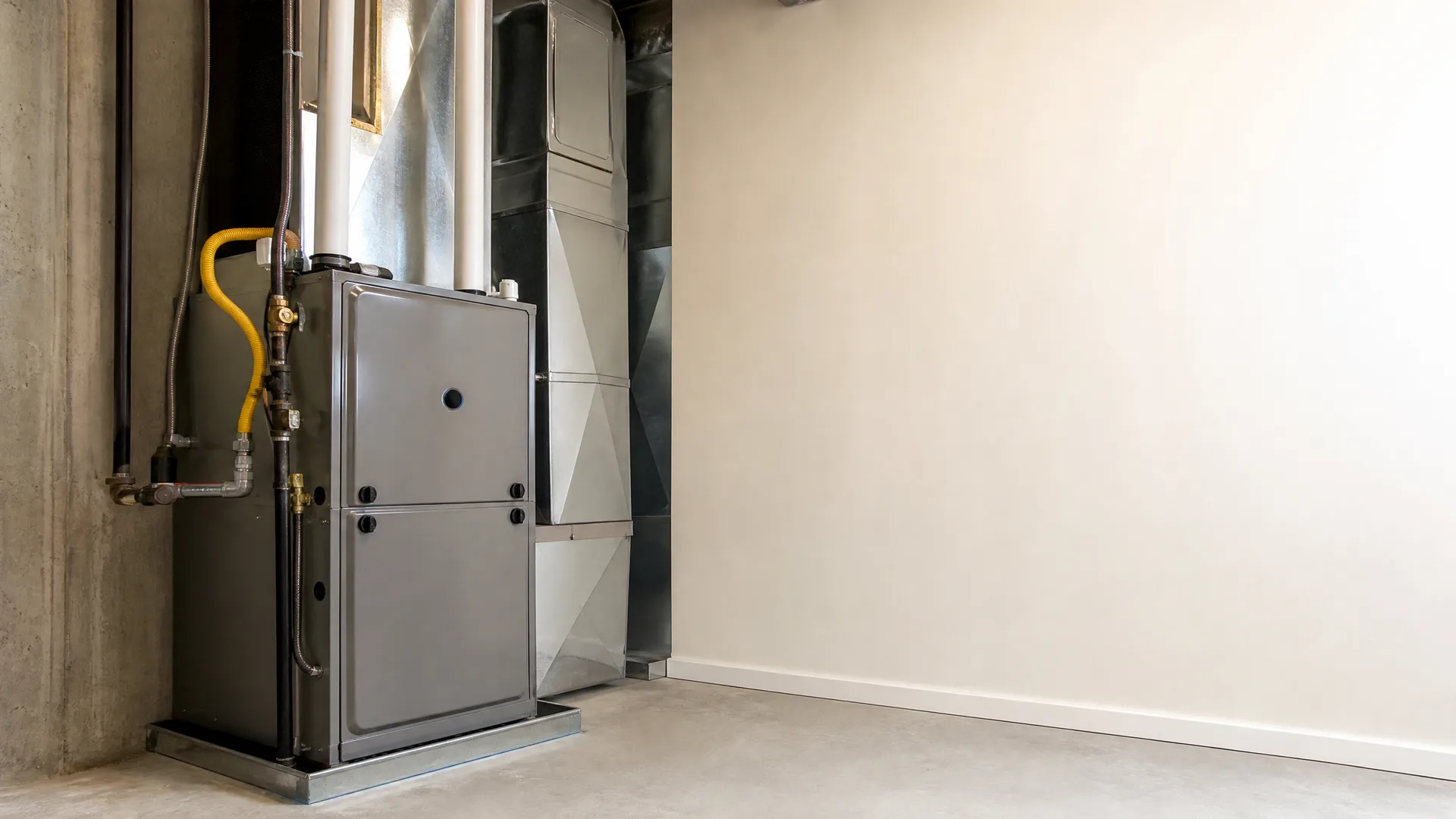
A gray gas furnace with attached yellow gas line, copper piping, white PVC vent pipes and sheet-metal ductwork stands against a wall in an empty basement room with a concrete floor.

What cold does to a heat pump

A heat pump pulls heat out of the outside air, even when that air is cold. As the temperature drops, there's less heat to pull, so the unit works harder and puts out less for every hour it runs. Queens sees plenty of nights in the 20s each winter. On those nights, older heat pumps lean on electric backup strips to keep the house warm, and that backup heat is what drives the bill up.

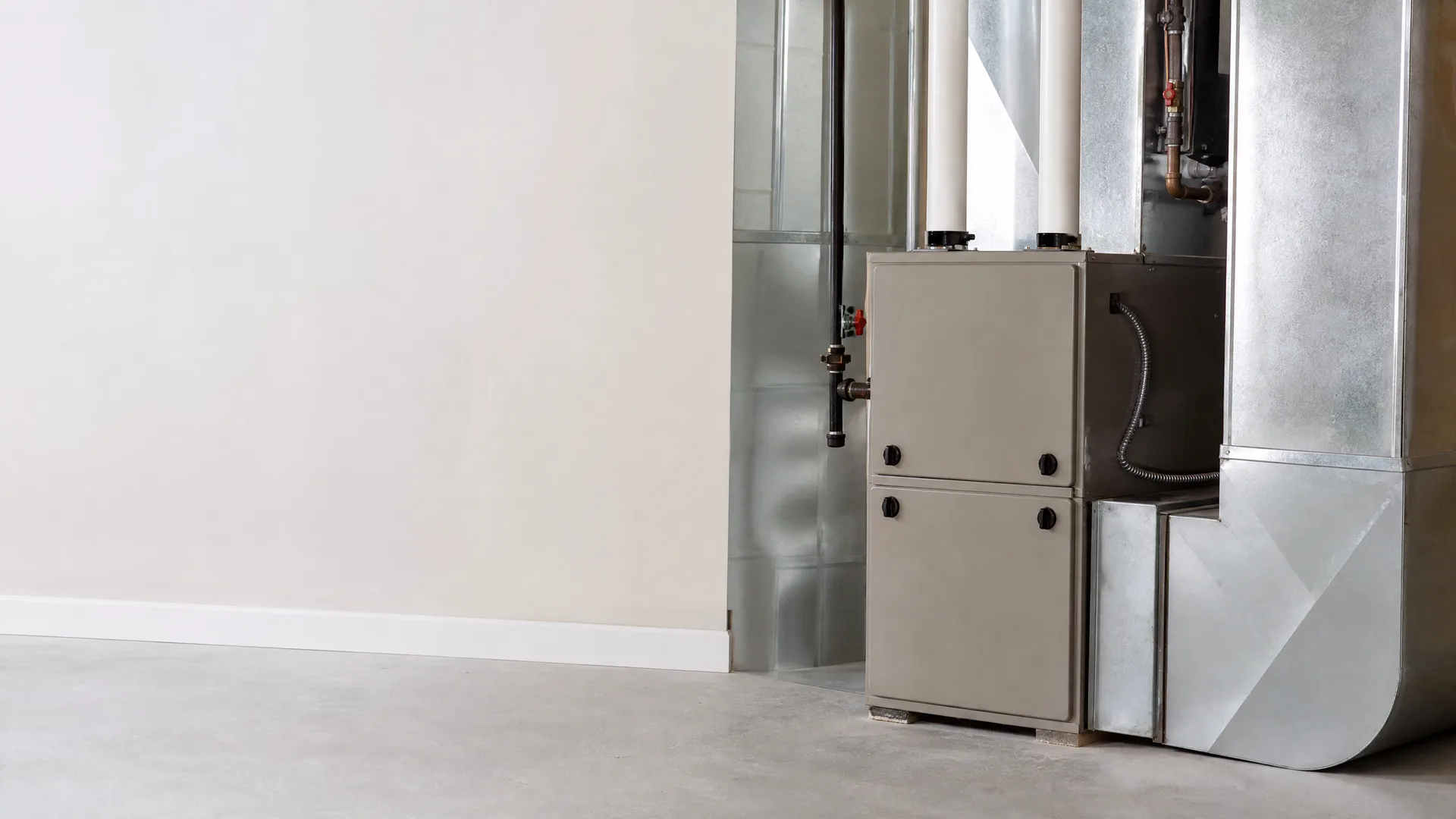
A beige high-efficiency furnace with white PVC vent pipes stands against a wall beside galvanized sheet-metal ductwork in an empty room with a concrete floor.

Why gas still wins here on cost

Con Edison's electric rates are among the highest in the country, while the gas line already running to most Queens furnaces carries fuel that costs less per unit of heat. A furnace burns gas directly to make heat, so it doesn't lose ground the way a heat pump does once the temperature falls. That gap is why a straight swap to a heat pump can raise a heating bill here even if the equipment itself works fine.

Gas Furnace vs Heat Pump in Queens

Gas Furnace

  • A gas furnace puts out the same heat at zero degrees as it does at forty, since burning gas doesn't lose output to outside air temperature.
  • Gas in Queens is cheaper to run than electric heat strip backup, which matters on the coldest nights of the year.
  • Most homes here already have the gas line and ductwork in place, so a furnace swap is usually a straight equipment replacement.
  • A furnace has no outdoor unit, so there's nothing sitting outside collecting ice or snow during a storm.
  • Parts like the igniter and the flame sensor are well understood by techs who work on furnaces every winter in this area.
  • A furnace can't cool your home in July, so central air still needs its own outdoor condenser.

Heat Pump

  • A heat pump heats and cools from one outdoor unit, so it replaces both the furnace and the central air condenser.
  • Electricity here costs more per unit than gas, so running a heat pump through a Queens winter can mean a higher heating bill than gas even though it's doing the same job.
  • Output drops as the temperature outside drops, so on the coldest nights it may need backup heat to keep up with the house.
  • There's no gas line, no flue and no combustion to maintain, since the unit runs entirely on electricity.
  • It's a newer setup for most Queens homes than a furnace, so finding a tech who's installed many of them locally matters more.
  • In summer it cools the house the same way a central air system does, using the same outdoor unit it heats with in winter.
A gray-haired man in a dark green knit sweater sits on a beige sofa with a dark cushion, looking to the side, with a potted plant, shelves and sunlit windows behind him.
A gray-haired man in a dark green sweater sits smiling on a sofa in a sunlit living room, with a houseplant, shelving unit, and dining table visible behind him.
A middle-aged man in a dark denim shirt sits on a light beige sofa in a living room with wooden shelving and a potted plant, looking off to the side.
A gray-haired bearded man in a dark green sweater sits on a light sofa indoors, looking to the side, with a houseplant, framed picture, table lamp and sunlit window behind him.
A gray gas furnace stands on a concrete basement floor, connected to sheet-metal ductwork, white PVC vent pipes, and a yellow gas line, with plastic sheeting covering the walls.
A gas furnace like this one, newly installed and tied into the ductwork, puts out the same heat no matter how cold it gets outside.
A metal furnace with louvered panels stands against a concrete basement wall, connected to sheet-metal ductwork and a round flue pipe, with wooden framing posts and a pipe nearby.
An older furnace like this one still runs, but age and dust buildup are worth having a contractor check before another Queens winter.
  1. Cold outside air passes over the heat pump's outdoor coil.

  2. Refrigerant inside the coil absorbs whatever heat that air holds.

  3. A compressor squeezes the refrigerant, raising its temperature further.

  4. The indoor coil releases that heat into air moving through your ducts.

Is your furnace struggling or just old?

Listen for a burner that takes a couple of tries to light, or runs long stretches without the house feeling warm. Check your vents for weak airflow or a dusty smell when the system kicks on. Look at your gas bill next to last January's. If it's climbing and the equipment hasn't changed, the furnace is working harder to do the same job. A cracked heat exchanger or a clogged flue is not something to leave alone, since either one can push exhaust where it shouldn't go. If your furnace came with the house, it's worth having someone look at its age and condition before you decide what replaces it.

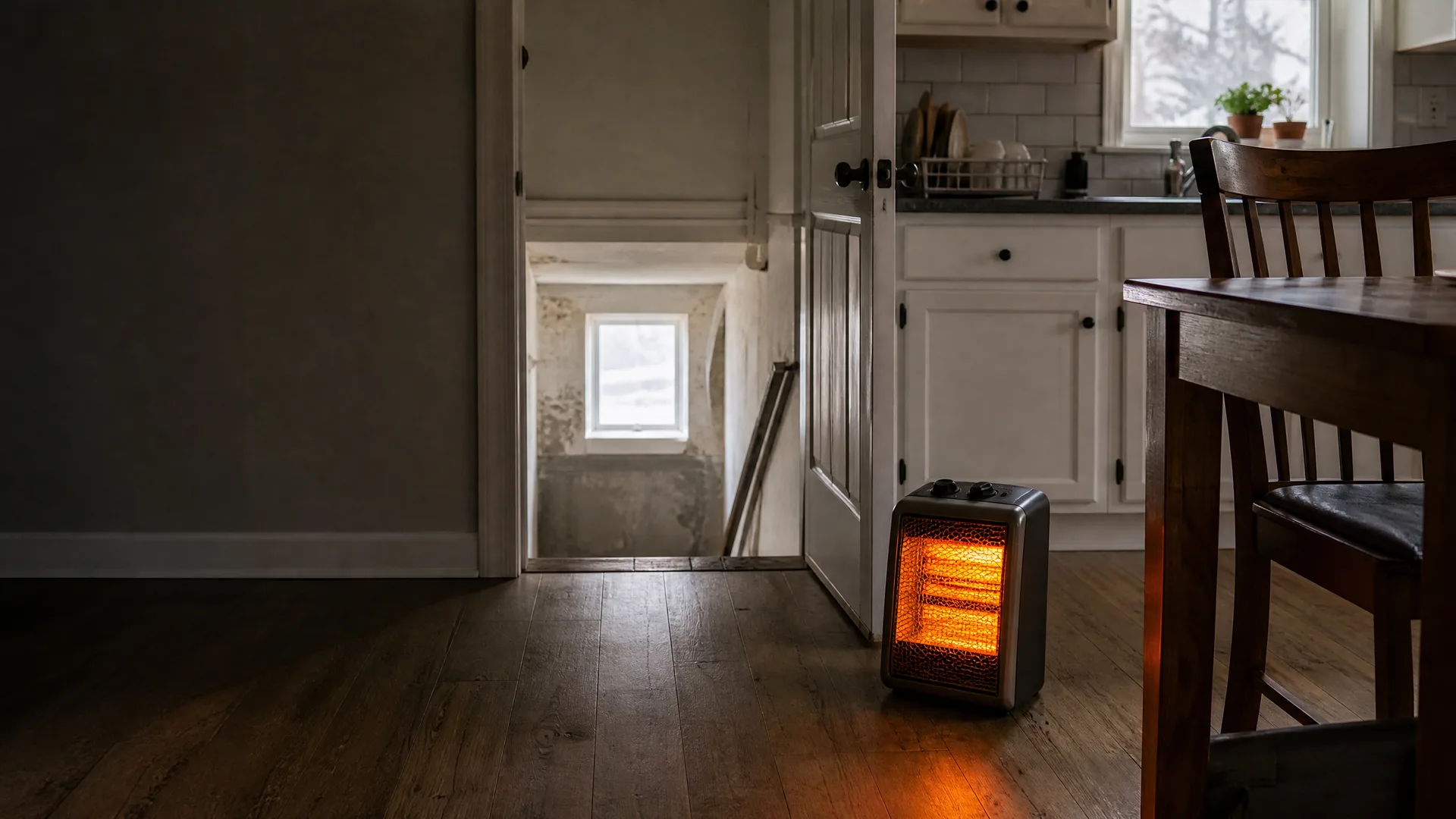
A small portable electric space heater with glowing orange elements sits on a dark hardwood floor near a doorway opening onto a basement stairway, with a kitchen counter, cabinets and a wooden table and chair to the right.

Six in the morning and the kitchen is the only room you can stand to sit in. The space heater's been running since you got up, its coil throwing a dull orange light across the table, cord stretched back to the outlet by the basement door. The door's open because that's where the furnace is, and somewhere down there it's either limping along or not kicking on at all. You've got a hand around your coffee and you're not ready to go check. Outside it's still dark, still January-cold, the kind of Queens morning that makes you do the math on how much longer you can put this off before you call someone who actually knows furnaces, not just someone who'll sell you one.

Get matched with a furnace pro in Queens County

The pro who gets in touch is licensed in New York and works in Queens County.

No charge to send it. You decide if you hire them.

How a heat pump's rating actually works

  • A heat pump's rated output is measured at 47 degrees, not at the temperatures Queens sees in January.
  • Below a certain outdoor temperature, usually somewhere in the 20s to 30s depending on the unit, a heat pump switches on backup heat strips to make up the difference.
  • Those backup strips are plain electric resistance heat, the same cost per unit of warmth as a space heater.
  • A two stage or variable speed compressor keeps producing useful heat at lower outdoor temperatures than a single stage unit can.
  • Sizing a heat pump for Queens means sizing for the coldest week of the year, not the average day.
  • A furnace paired with a heat pump in a dual fuel setup lets the system switch to gas once outdoor temperatures drop past the point where the heat pump alone keeps up.

The number on a heat pump's spec sheet comes from a test run at 47 degrees outside. That's a mild day for Queens in November, not a January night. As the temperature keeps dropping below that mark, the unit pulls less heat out of the air and has to work harder to deliver what it does produce. Most units reach a point, somewhere in the 20s or 30s depending on the model, where the compressor alone can't keep up anymore. At that point the system brings on backup heat strips to cover the gap. Those strips are plain electric resistance heat. They don't move heat from outside air the way the compressor does. They just convert electricity straight into warmth, the same way a space heater does, and that costs more per unit of heat than the compressor running on its own. A two stage or variable speed compressor pushes that crossover point lower, so it keeps the compressor doing the work longer into the cold before the strips have to step in. This is also why sizing matters more here than it would somewhere milder. A unit sized for an average January day will lean on backup strips constantly during the week it actually gets cold. One sized for that coldest week handles the average days easily and the hard ones without leaning so hard on the strips. A dual fuel setup sidesteps the backup strip question entirely by switching over to the gas furnace once outdoor temperatures drop past where the heat pump can keep up on its own.

Winter nights average 28°F

At 28 degrees your heat pump is already leaning on backup heat strips to keep the house warm, and that's a typical night here, not a rare one. Your furnace doesn't have that problem. It burns gas and puts out the same heat whether it's 28 outside or colder.

NOAA nClimDiv 1991-2020

Keep the furnace you have

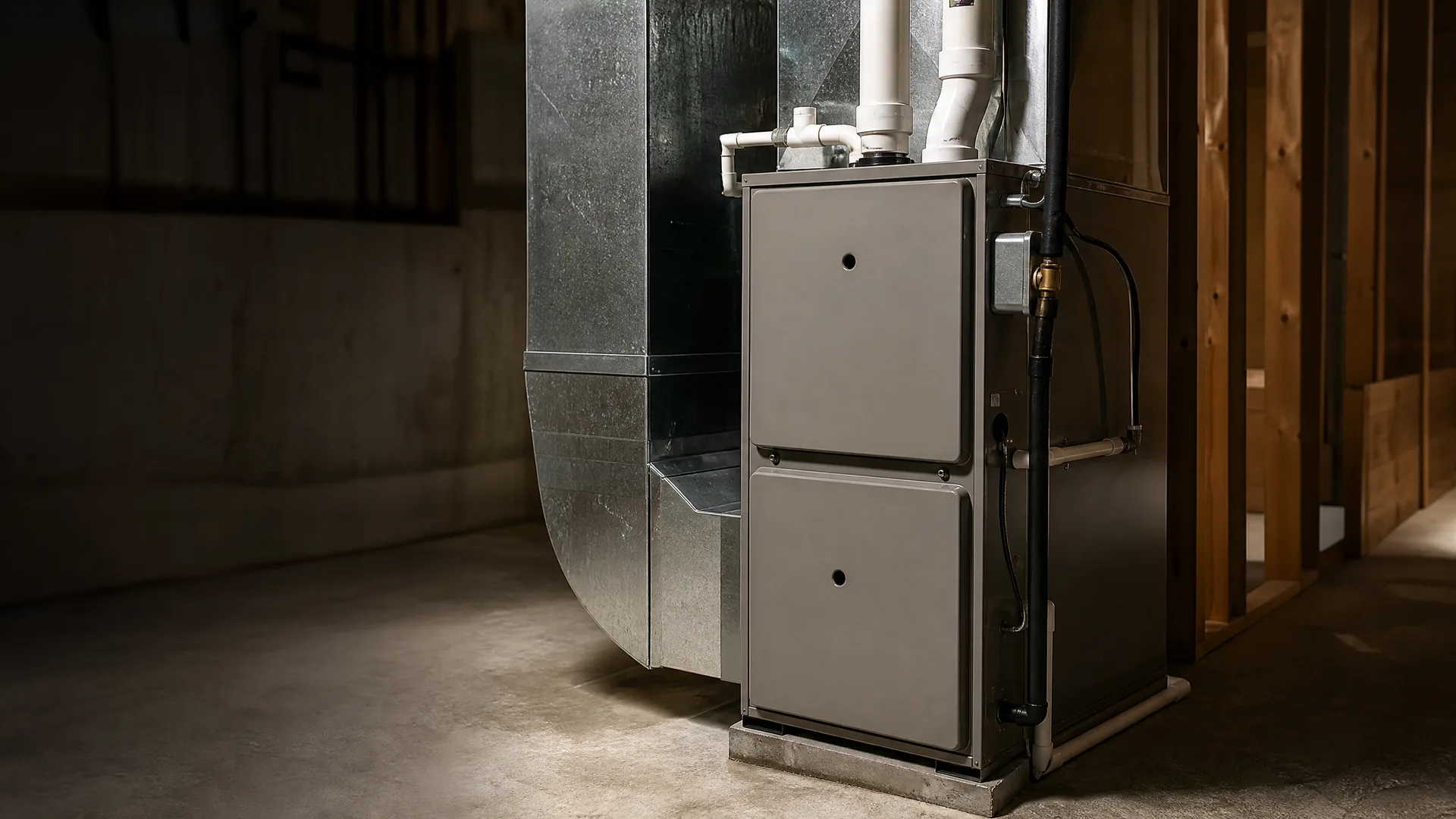
If your furnace is running fine and your gas bills aren't out of line, there's no mechanical reason to replace it with a heat pump. A furnace that's properly sized and maintained will outlast a lot of guesswork about savings. You keep the one heat source that doesn't care about outdoor temperature, and you skip the cost and disruption of a full system swap. The tradeoff is you keep paying for gas service and you keep the furnace's maintenance needs, the burner, the igniter, the heat exchanger, all the things a contractor checks on a yearly visit. If the furnace is old enough that it's starting to struggle, that's a different conversation.
Add a heat pump instead

Some Queens homeowners add a heat pump alongside the furnace rather than replacing it, using the heat pump for the milder months and letting the furnace take over once it gets cold enough that the heat pump loses its edge. That setup gets you air conditioning out of the same outdoor unit, which a furnace alone can't do. It costs more upfront than doing nothing, and it means two systems to maintain instead of one. Whether it makes sense depends on your ductwork, your electrical panel and what's already in the house, which is worth having a contractor look at directly.

Why does everyone around you still heat with gas?

  • Winter nights average 28°F

    Winter nights here average 28°F, cold enough that a heat pump is working hardest right when you need it most.

  • Heat runs October through April

    Heat runs October through April in Queens, seven months of the furnace carrying the house through real cold.

  • 73.8% of homes heat with gas

    73.8% of homes in Queens County heat with gas, so a contractor sizing your furnace has seen your exact setup before.

NOAA nClimDiv 1991-2020 · ACS 2020-2024

For most Queens homes, gas heat still makes more sense than a heat pump, since the furnace keeps putting out the same heat whether it's 28 degrees outside or well below that, and electricity here costs enough that leaning on it for backup heat strips adds up fast. That doesn't mean every furnace in Queens is fine as it sits. A burner that struggles to light, rooms that stay cold, a gas bill that's crept up for no clear reason, those are worth having someone look at. If you decide a new furnace or a heat pump is the right move, you want it sized and installed by someone who works on this equipment in Queens every winter and knows what tends to fail first in houses like yours. Asking gets you matched with one licensed local contractor, not a handful of companies competing for your callback, so the person who reaches out already knows the kind of system your home needs and can speak to it straight.

A gray high-efficiency furnace with white PVC vent pipes stands on a concrete basement floor beside galvanized sheet-metal ductwork and exposed wood framing.

A local pro for your furnace installation

New system or replacementFurnace or heatingQueens County, NY
Step 1 of 2

What ZIP code is the job in?