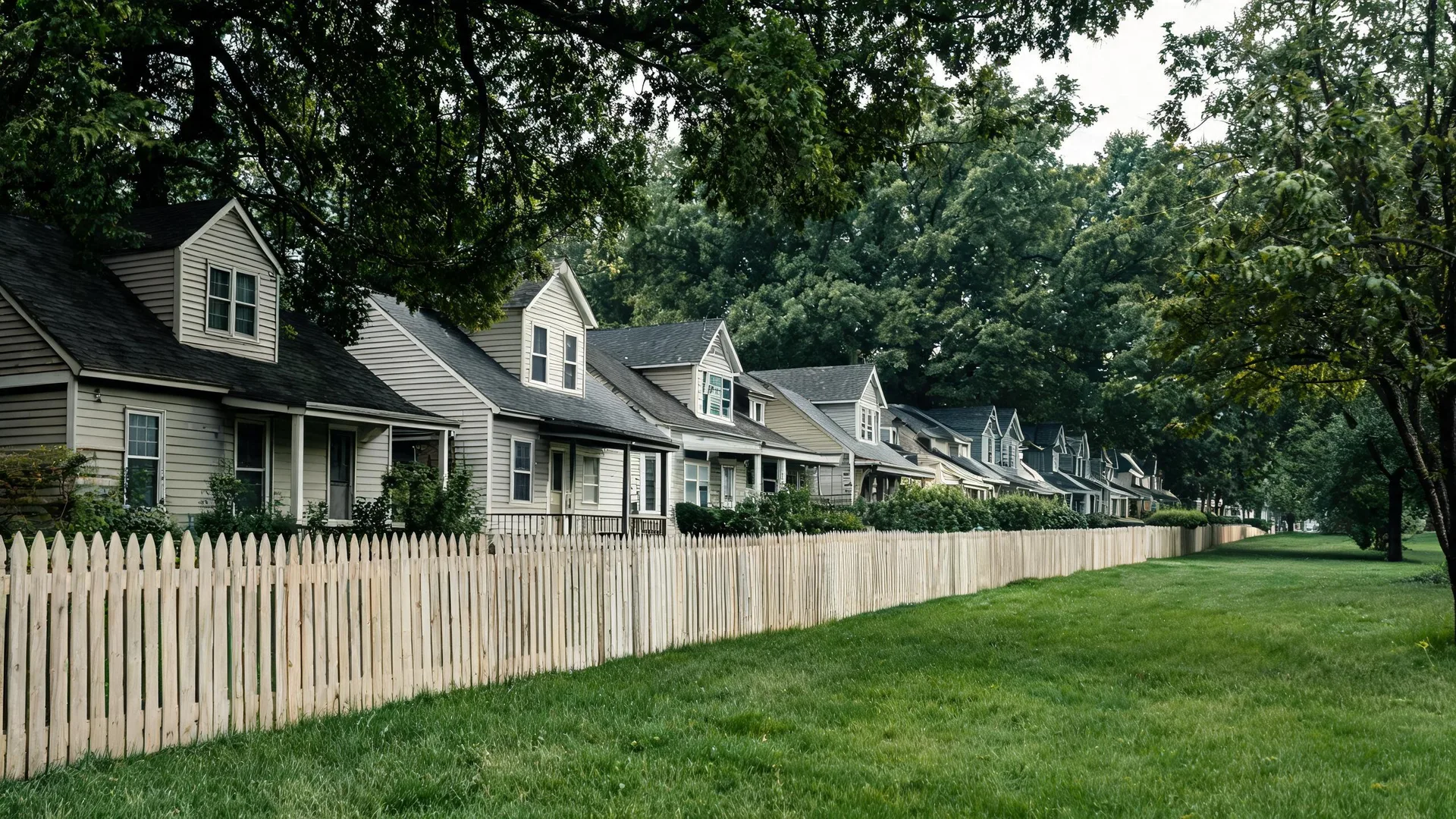





A row of similar small gabled houses with light siding behind a long wooden picket fence, with mown grass in the foreground and leafy trees above.

Furnace Installation in Oneida, NY

Tell us about the job

Takes about a minute. No obligation.

New system or replacementFurnace or heatingMadison County, NY
Step 1 of 2

What ZIP code is the job in?

A furnace in Oneida runs from September through May. That's nine months of the year with the burner cycling on and off, through fall, the deep cold of January, and the slow thaw of spring. Overnight lows in Madison County average 16°F across December, January and February, so when the furnace is working hardest, it's working against real cold. A furnace sized wrong for the house either struggles to keep up on those nights or short cycles and wears its parts out sooner. Get the size matched to the house.

9 months
September through May, your furnace is on duty
16°F
the average winter night it heats against
80% AFUE
the federal minimum any new unit must meet
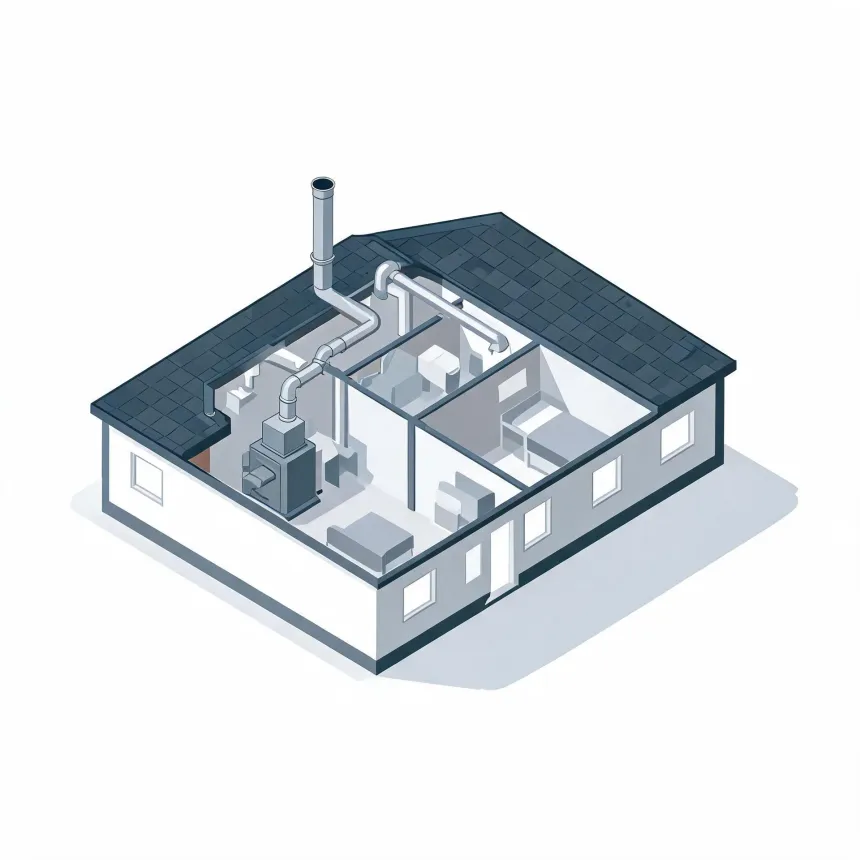
Isometric cutaway illustration of a single-story house with a dark shingled roof, showing interior rooms with furniture and a furnace connected to ductwork and a flue pipe extending above the roof.
Your furnace works hardest from November through March.

NOAA nClimDiv, 1991–2020 normals

Half the homes in Madison County were built in 1964 or earlier.

An old furnace in an old house may have been sized for a different layout. Installing a new one means sizing it for the house that's there now.

Most of Madison County heats with gas, so a new furnace is the safe bet

41.2% of homes heat with gas
Heat runs September through May
Winter nights average 16°F
Gas here costs more to burnNatural gas ran $16.03 per million Btu in New York in 2024, so an efficient furnace earns its keep.

A contractor sizing a new furnace for a house built in 1964 or earlier will do a load calculation, not just match the old unit's output. Walls, windows and additions change over the decades even when nobody touches the furnace. If the house was added onto, or the windows were replaced, the heat loss is different than it was when that furnace was first sized. The ductwork matters too. Old duct runs built for one layout may not move enough air for a furnace sized differently than the one coming out. Ask the contractor to walk the house, not just read the nameplate on the old unit, before they quote a size.

Install before September, while there's still time to do it right

Heat starts running here in September. Putting a new furnace in before August is out means it's sized and installed before you need it, not in the middle of a cold snap with the old one dead.

Find a contractor
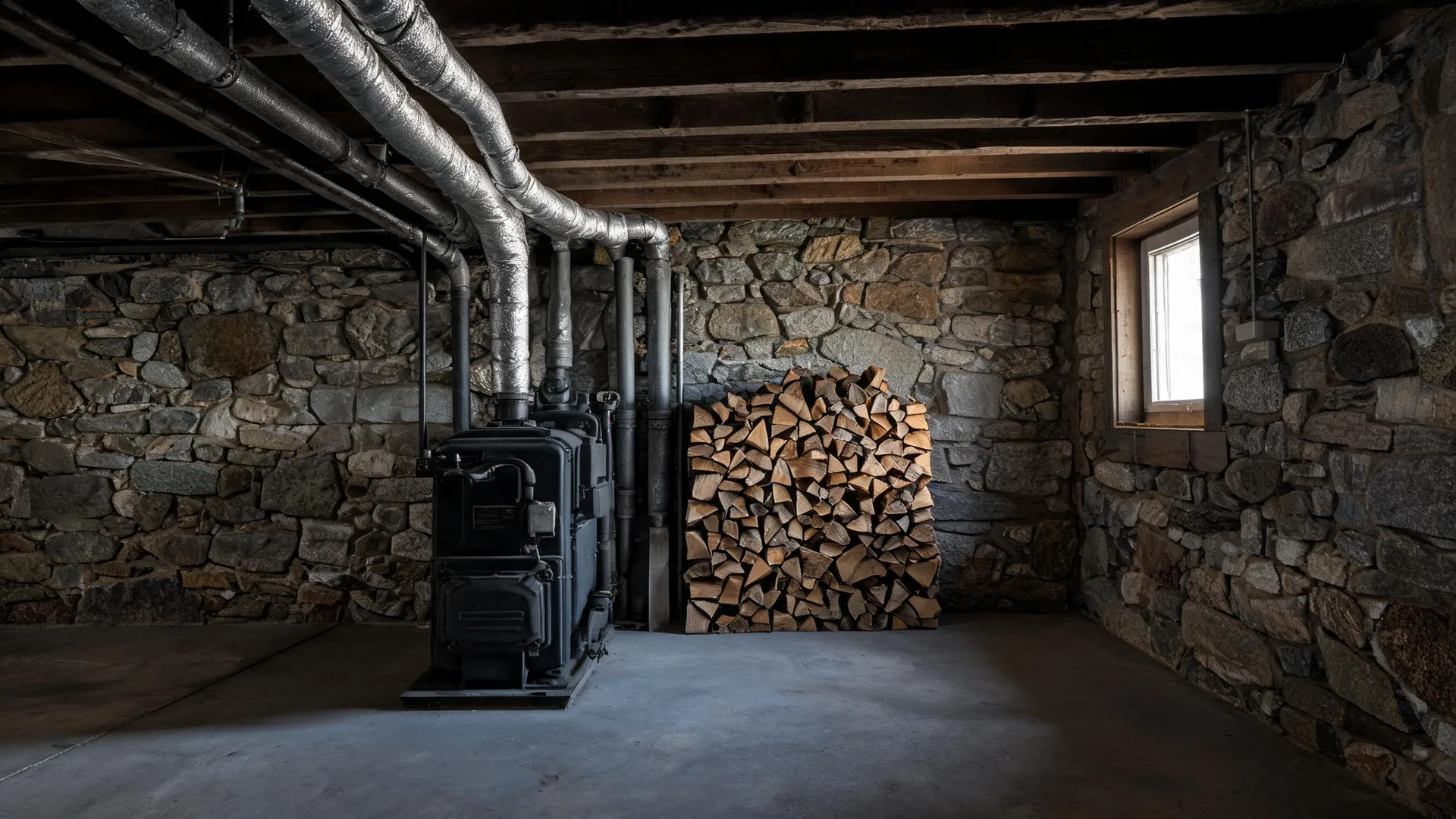
A gray residential gas furnace installed in an unfinished basement, surrounded by ductwork, a metal flue pipe, and a gas supply line.

This furnace won't get much rest. Size it right before it starts.

Nine months a year the burner is cycling, not idling. There's not much of the year left over for a wrong-sized unit to coast through. Too big and it short cycles, kicking on and off without running long enough to heat evenly. Too small and it runs flat out on those 16°F nights and still can't keep up. Get the size matched to the house before the season starts, not after the old one quits.

The rating measures fuel, not heat output

The efficiency number tells you how much of the fuel burned turns into heat in the house versus how much goes out the flue. It has nothing to do with how big a space the furnace can heat. A high rating on a furnace sized wrong for the house still leaves rooms cold or burns more gas than it should.

A higher rating changes how the furnace vents

Furnaces with a high efficiency rating pull enough heat out of the exhaust that it's too cool to rise up a chimney, so they vent through a sidewall pipe instead. That means the installer has to plan where that vent terminates, clear of windows and walkways, not just drop the new unit where the old one sat.

A gray forced-air furnace with ductwork stands in an unfinished concrete basement surrounded by storage items and clutter.

A high-efficiency gas furnace would save about $170 a year to run in Madison County compared with a gas furnace.

  • A high-efficiency gas furnace$780 a year
  • A gas furnace$950 a year

Estimates for a typical Madison County home, from EIA household energy data, New York fuel prices and NOAA climate normals. Your home will differ.

The old furnace comes out first, along with the flue pipe or vent line running to it, and the gas line gets capped while the work is going on. The new unit gets set, leveled, and connected to the ductwork, the gas supply, and the vent. If it's a high efficiency model, that means running new PVC pipe through a sidewall rather than reusing the old chimney flue. The electrical and the thermostat wire get hooked up, and the condensate line gets run for the models that produce it. Once everything's connected, the contractor fires it up, checks the gas pressure, checks the temperature rise across the heat exchanger, and makes sure the airflow matches what the furnace is rated for. Before they leave, they should walk you through the thermostat and show you where the filter goes and how often it needs changing.