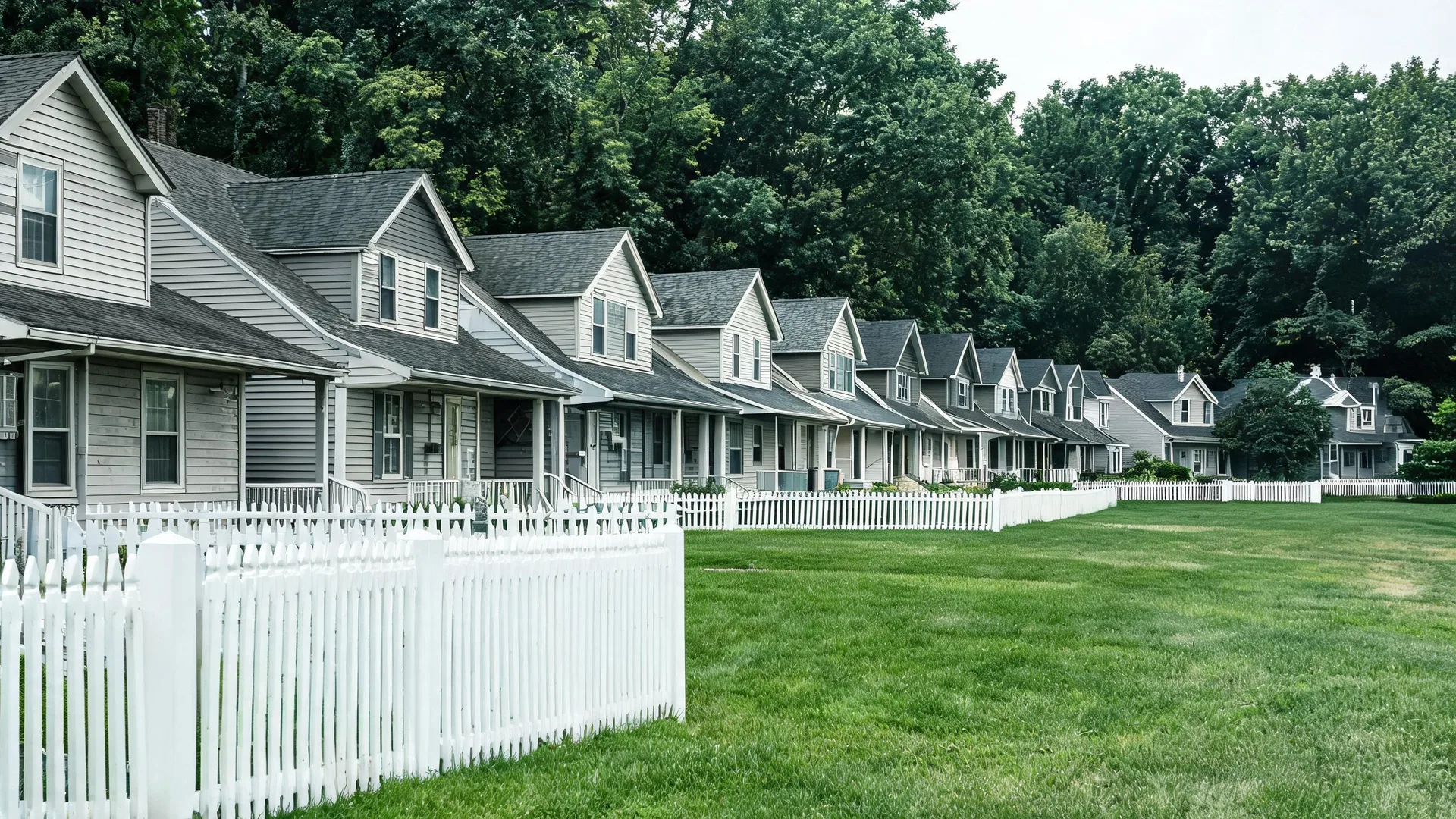




A row of similar gray and white wood-sided houses with gabled roofs behind a white picket fence, with a mowed lawn in the foreground and dense green trees behind.

Furnace Installation in Niagara Falls, NY

Tell us about the job

Takes about a minute. No obligation.

New system or replacementFurnace or heatingNiagara County, NY
Step 1 of 2

What ZIP code is the job in?

Natural gas in New York runs $16.03 per million Btu, among the higher rates in the country. That number matters more over the life of a furnace than the price on the install quote. A furnace that wastes less gas on every cycle costs less to run every month it's cold, and in Niagara Falls that's most of the year. When you're comparing furnaces, the efficiency rating is worth weighing against the purchase price, not just the size of the unit or the brand name on it.

8 months
October through May, your furnace is on duty
21°F
the average winter night it heats against
76%
of homes here heat with gas, so most furnaces here burn gas
80% AFUE
the federal minimum any new unit must meet
Isometric cutaway illustration of a single-story house with a dark shingled roof, showing interior rooms with beds and furniture, overhead ductwork, and a gray furnace with a tall flue pipe at the exterior wall.
Your furnace works hardest from November through March.

NOAA nClimDiv, 1991–2020 normals

Furnaces in Niagara Falls run from October through May, with overnight lows averaging 21°F in January.

A furnace here is working most of the year, so the size and efficiency you pick matters more than it would somewhere milder.

Eight months of heat a year means September is the month to get this done

Heat runs October through May
Winter nights average 21°F
Climate zone 5A

Gas heats 76.2% of homes in Niagara County, more than electricity, propane and oil combined. If your furnace runs on gas now, replacing it with another gas furnace keeps the gas line, the vent and the gas meter you already have. That's the path most homeowners here take, and it's usually the simplest one. A switch to electric heat means different wiring and a different kind of equipment, which is a bigger project than a straight swap.

Half the homes here were built in 1958 or earlier. Your furnace should fit the one you've got.

Half the homes in Niagara County were built in 1958 or earlier. A furnace sized for a new build isn't necessarily the one that fits a house that age. Sizing the replacement to the house you have, not just the unit coming out, is worth asking your contractor about.

Find a contractor
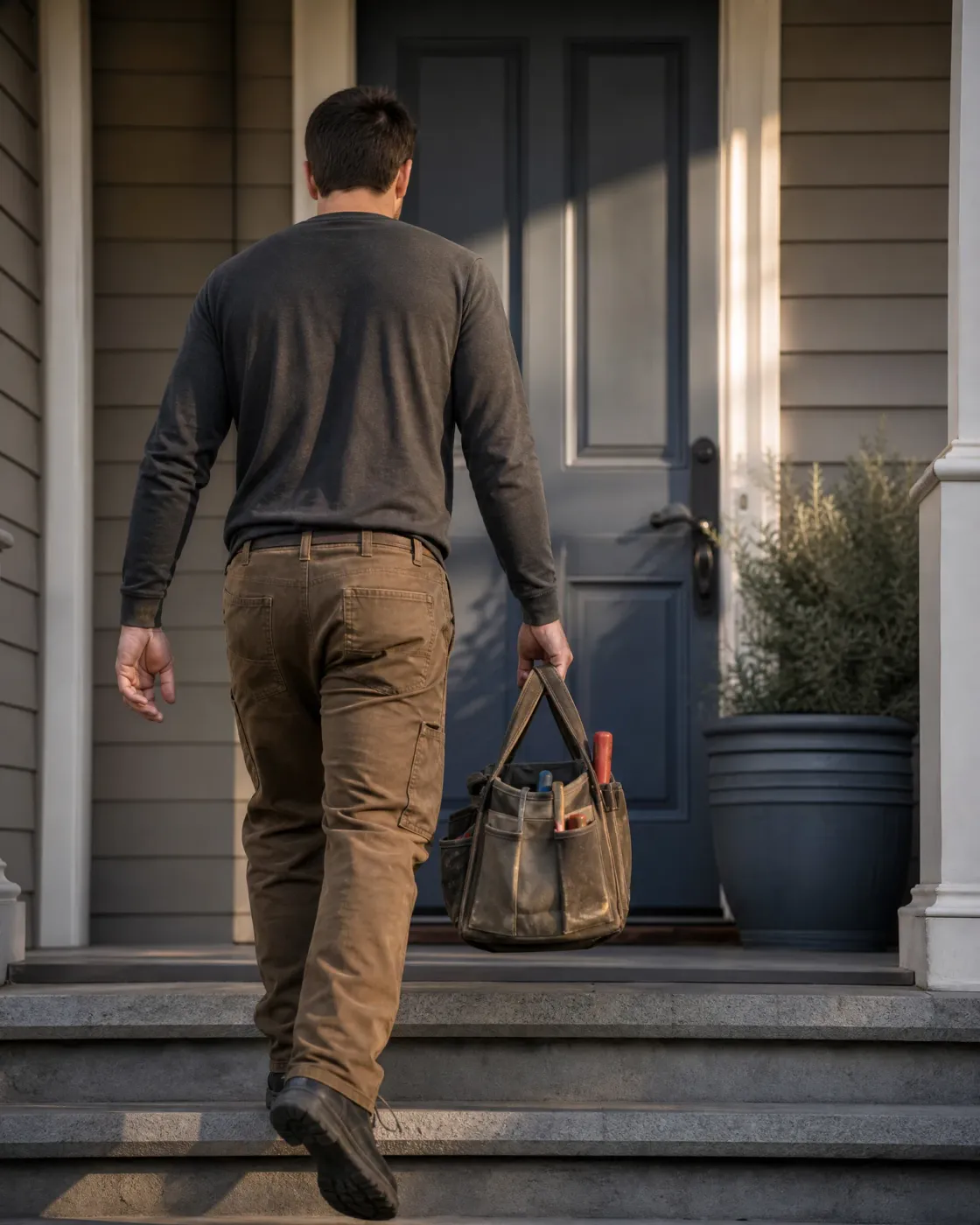
A man in a dark long-sleeved shirt and brown pants walks up concrete steps toward a dark blue front door, carrying a canvas tool bag with tools in it, beside a potted shrub.
A gray high-efficiency gas furnace installed in an unfinished basement, surrounded by gas lines, a condensate drain, and sheet-metal ductwork.

Eight months a year is a long time to run the wrong size

Get the size right before you sign off. A furnace that's too big short cycles, and one that's too small runs flat out all winter trying to keep up. Either way it's eight months of strain instead of eight months of steady work. Ask the contractor for the load calculation on your house, not just a quote based on the old unit's size.

The old furnace isn't the measuring stick

A load calculation looks at the walls, the windows, the ceiling height and how they all lose heat, room by room. It has nothing to do with what size furnace happens to be sitting in the basement now. If that one was never sized right, or the house changed since it went in, copying its size just repeats the mistake.

Oversized fails differently than undersized

A furnace that's too big heats the house fast, shuts off, and starts again soon after, which wears the ignition system and the blower harder than steady running would. A furnace that's too small never gets that break. It runs long stretches trying to reach the thermostat setting and still leaves rooms short on cold mornings. Getting the size right avoids both.

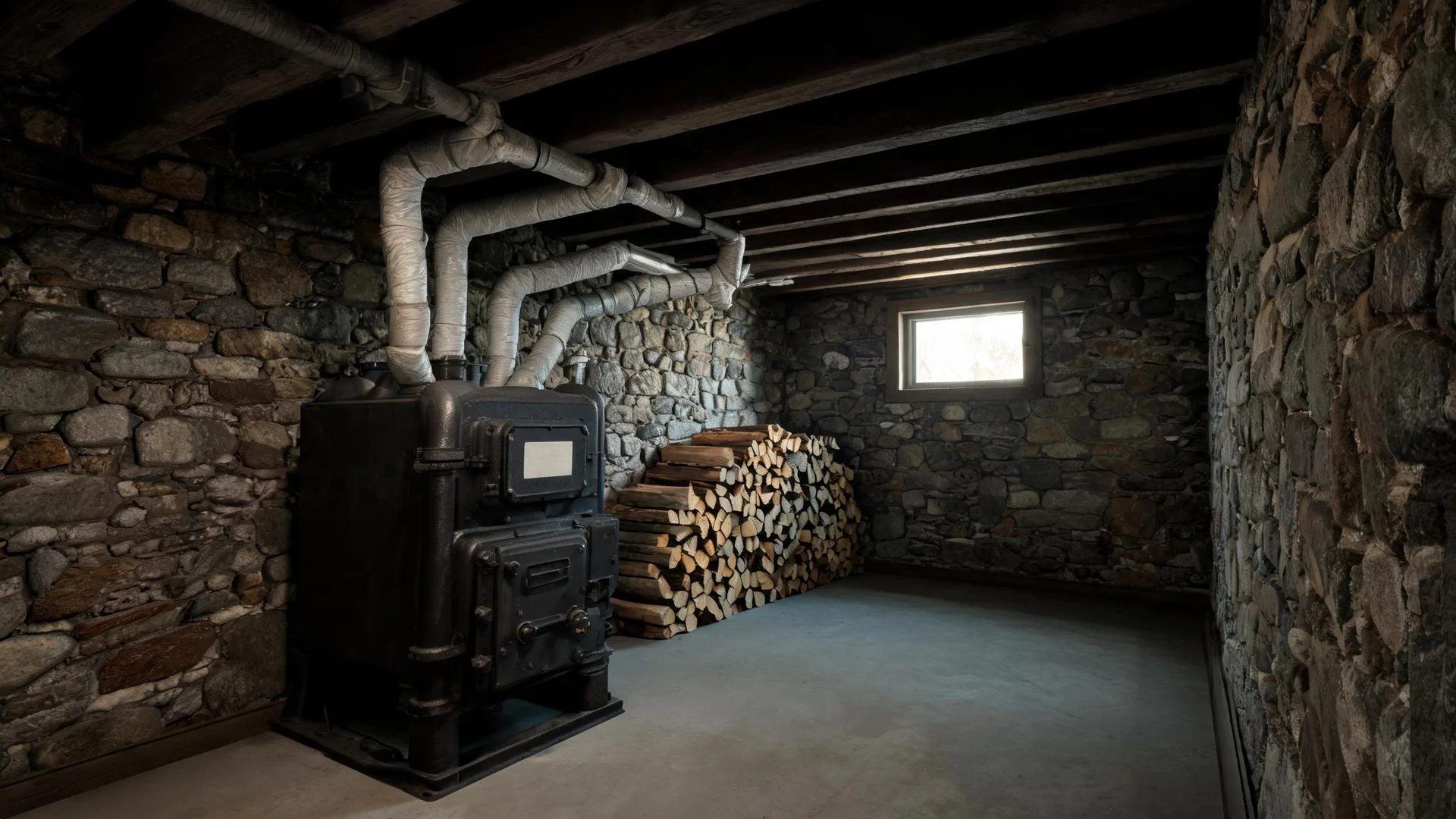
An unfinished basement interior featuring a large metal furnace unit, exposed ceiling joists, concrete walls, and scattered boxes and cables on the floor.

A high-efficiency gas furnace would save about $140 a year to run in Niagara County compared with a gas furnace.

  • A high-efficiency gas furnace$690 a year
  • A gas furnace$830 a year

Estimates for a typical Niagara County home, from EIA household energy data, New York fuel prices and NOAA climate normals. Your home will differ.

Installation day starts with the old furnace coming out, along with the venting and ductwork connections tied to it. The contractor sets the new unit, then connects the gas line, the venting, the ductwork and the electrical. Each connection gets checked on its own before anything moves on to the next. Once it's hooked up, the furnace runs through a full cycle while the contractor checks the gas pressure, the temperature rise across the heat exchanger and the airflow at the vents. That test run is what confirms the furnace is venting correctly and firing the way it should, not just that it turns on.