






A row of white Colonial-style houses with glowing windows photographed at dusk along a road bordered by a stone wall.

Furnace Installation in Lindenhurst, NY

Tell us about the job

Takes about a minute. No obligation.

New system or replacementFurnace or heatingSuffolk County, NY
Step 1 of 2

What ZIP code is the job in?

Oil heats more homes in Suffolk County than any other fuel, at 44 percent. Gas is close behind at 41.1 percent. If your furnace runs on oil now, going with another oil furnace keeps the venting and fuel line as they are, which usually makes for a more straightforward swap. The same goes if you're on gas. Switching fuels for a furnace installation is a bigger job, since it can mean new venting, a new gas line or a new oil tank depending on which way you're moving. Worth knowing before you start getting quotes.

8 months
October through May, your furnace is on duty
26°F
the average winter night it heats against
80% AFUE
the federal minimum any new unit must meet
Isometric cutaway illustration of a single-story house in gray tones, showing interior rooms with furniture, ceiling ductwork, and an exterior furnace unit with a tall flue pipe.
Your furnace works hardest from November through March.

NOAA nClimDiv, 1991–2020 normals

Half the homes in Lindenhurst were built in 1970 or earlier.

A furnace going into a house that old has to work with the ductwork and venting already there, not the other way around.

A furnace sized right for this house is all this winter asks for

Heat runs October through May
Winter nights average 26°F
82 winter storms from 2015 to 2024

Lindenhurst sits in zone 4A, which asks real work of both sides of the system, heating through the winter and cooling through the summer. Any gas furnace installed today has to hit at least 80 percent AFUE. That rule has been in place for years, so most furnaces on the market already clear it, but it's worth confirming on the spec sheet rather than taking on faith. The minimum does move higher later this decade, so a furnace bought now and one bought a few years from now won't necessarily meet the same bar. Worth asking a contractor which standard the unit you're looking at was built to meet.

A standard furnace, sized and installed right, is what this county calls for

Suffolk County sees its share of winter storms and wind, and power goes out with them. None of that calls for an oversized furnace or a higher efficiency tier than the county already requires. A unit sized to the house and installed to meet the current AFUE minimum is the right call here, nothing more is needed to handle what this county sees.

Find a contractor
A man in a cap, gray shirt and tan work pants walks up steps toward a dark front door, carrying a worn canvas and leather tool bag, with a potted shrub to the right.
A gas furnace with attached ductwork, gas piping, and condensate lines installed in a concrete-block basement.

September is the month to do this, before heat season starts

Heat runs here from October through May, eight months out of the year. Once October hits, a new furnace install has to work around whatever the old one left behind, or around weather that makes the job harder to schedule. September is the month before that start, and it's open. Getting the new furnace in then means the install happens because it's time, not because the old one quit on a cold night.

Ask what size calculation the quote is based on

A furnace sized off the old unit or a square footage chart alone is a guess. A contractor should walk the house, or at least ask enough about it to account for insulation, window area and layout before naming a size. Bigger is not safer here. An oversized furnace short cycles, meaning it heats the house fast and shuts off before it has run long enough to heat evenly, which wears the heat exchanger and blower over time.
Ask what happens to the existing ductwork and venting

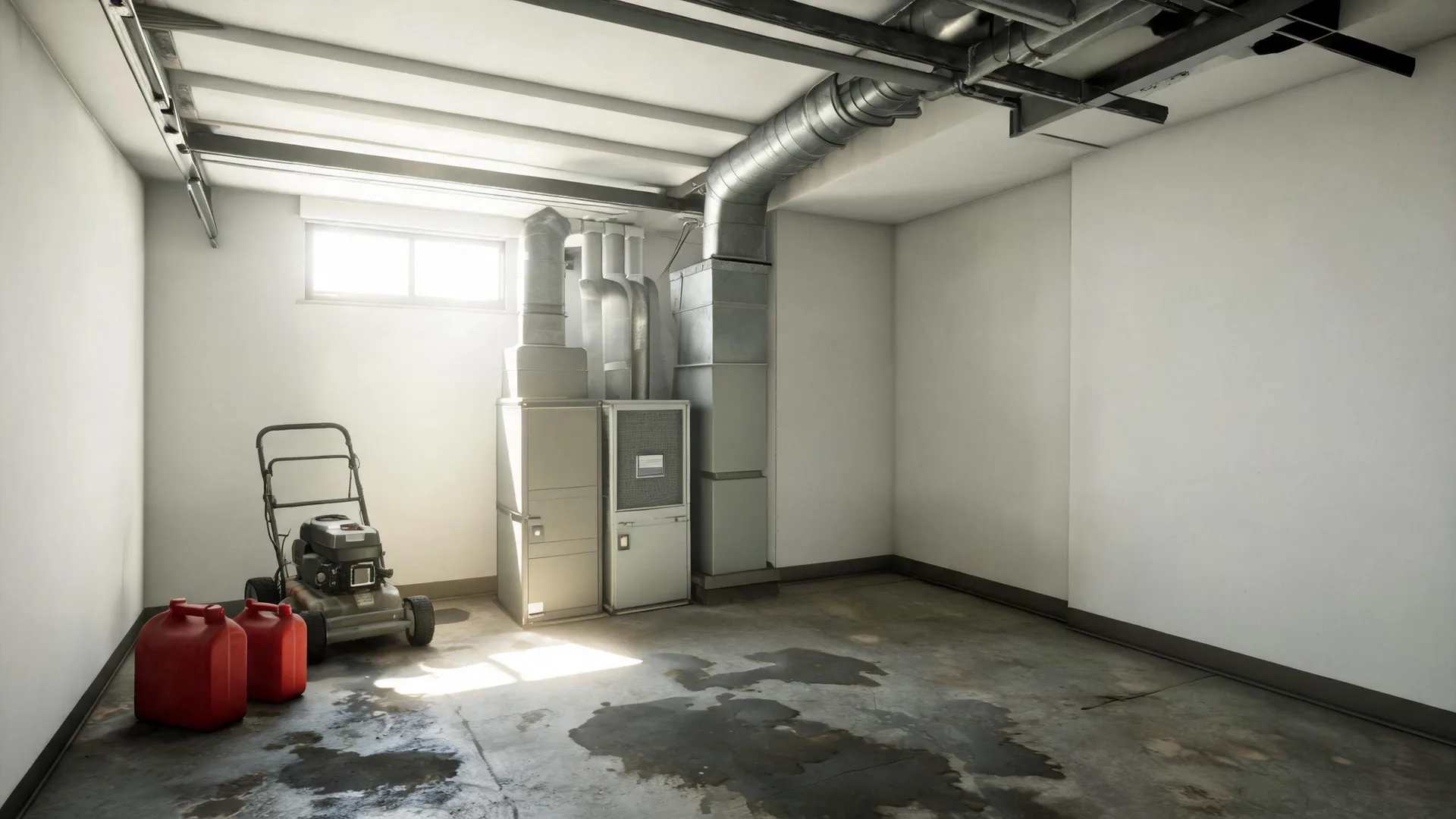
The furnace is one piece of a system that includes the ducts carrying air and the vent carrying exhaust out. A quote should say whether those get reused as is, modified or replaced, and why. A furnace that is a good match on paper can still perform poorly if the ductwork it ties into was sized for a different unit or a different fuel.

The AFUE rating on the label is a measure of how much of the fuel burned actually becomes heat in the house, rather than going out the vent as exhaust. A furnace with a higher rating wastes less fuel doing the same job. But that number describes the furnace alone, not the system it's tied into. A well built furnace connected to ductwork that leaks air into an attic or crawlspace still loses heat it already paid to produce. The rating also assumes the furnace is sized correctly for the house. One that's too large cycles on and off before it ever runs long enough to hit its rated efficiency, so the label and the way the house actually heats can tell different stories. Worth asking what that rating is actually measuring before treating it as the only number that matters on a quote.

Installation day starts with the old furnace coming out. The contractor shuts off the gas or oil line, disconnects it from the ductwork and venting, and removes it from the house. What happens next depends on whether the new furnace matches the footprint of the old one. If it does, setting it in place, connecting the plenum, and tying back into the existing gas or oil line is straightforward. If the new furnace is a different size or runs on a different fuel, there's more to it. New ductwork transitions. New venting run to the right spot outside. Sometimes a new flue. Once the furnace is set and connected, the contractor fires it up and checks the flame, the temperature rise across the heat exchanger, and the draft pulling exhaust out through the vent. A gas furnace also gets checked for leaks at every joint before the job is called done. Expect some noise, some dust from the old ductwork being disturbed, and a stretch with no heat running while the swap happens. A straightforward swap is a shorter day than one that involves new venting or duct work, and a good contractor will tell you which one this is before starting, not after.