





Two white multi-story colonial houses with lit windows and black shutters photographed at night, fronted by a stone wall.

Furnace Installation in Brewster, NY

Tell us about the job

Takes about a minute. No obligation.

New system or replacementFurnace or heatingPutnam County, NY
Step 1 of 2

What ZIP code is the job in?

Oil ran $23.11 per million Btu across New York homes in 2024. That number sits on top of a furnace that runs most of the year in this county, from the first cold snap in fall through the last cold mornings in spring. A furnace that wastes heat burns more oil doing it, and at that price the waste shows up fast on the bill. Two furnaces rated for the same house can land on very different running costs once winter actually gets here. How the new system handles that oil, how much of it turns into heat in the house instead of going up the flue, is worth knowing before it goes in.

8 months
October through May, your furnace is on duty
21°F
the average winter night it heats against
80% AFUE
the federal minimum any new unit must meet
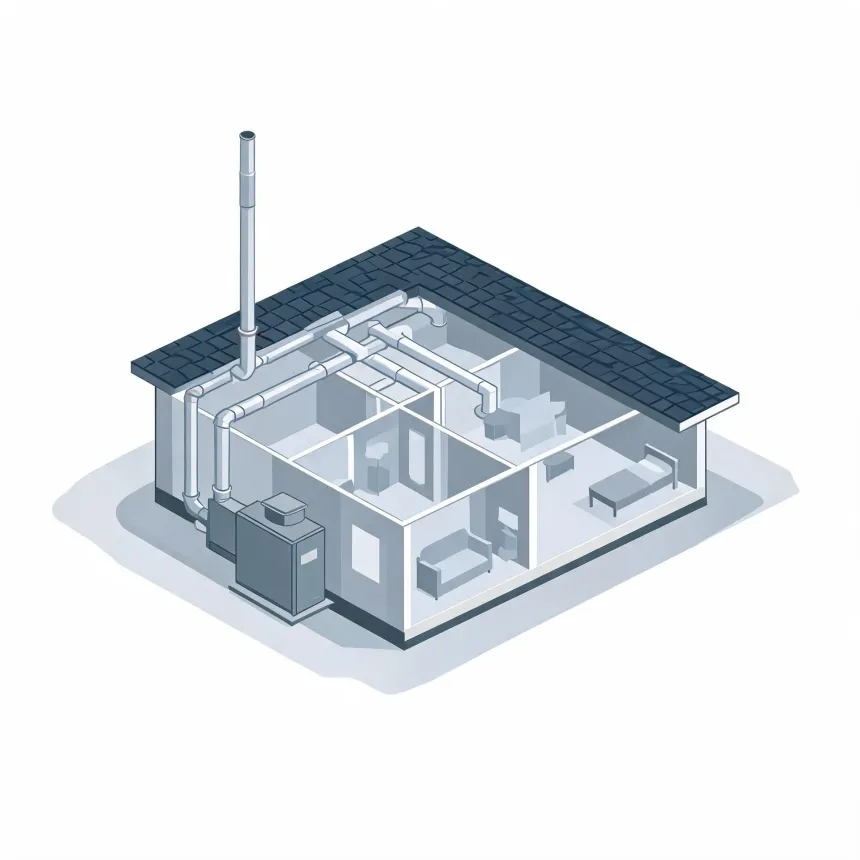
Isometric cutaway illustration of a single-story house with a dark shingled roof, showing interior rooms with furniture, a ducted air distribution system, a tall vertical flue pipe, and a gray furnace unit outside the wall.
Your furnace works hardest from November through March.

NOAA nClimDiv, 1991–2020 normals

Most homes in Putnam County heat with fuel oil.

A new furnace built for oil heat is the straightforward choice for most houses here.

Half these homes were built by 1968. A new furnace has to work with that house, not a hypothetical one.

Half the homes here were built by 1968
Climate zone 5A
Heat runs October through May
Get it installed before OctoberHeat season runs eight months here, October through May, so the window to do this without rushing is now.

Putnam County falls under zone 5A in the 2021 energy code, a cool zone where the heating load carries more weight than the cooling load. Any furnace going into a house here has to meet that standard. Furnaces built on or after November 19, 2015 have to turn at least 80 percent of the gas they burn into heat over the winter. That floor holds until December 18, 2028, when it rises to 95 percent for furnaces built from that date on. A furnace installed before then only has to clear 80, so two units sold side by side this year can still land far apart on what they waste. For a house that heats most of the year, that gap is worth asking about before deciding which one goes in.

Ask about the efficiency rating before you decide

Ask what efficiency rating the new furnace carries before it goes in. That number follows the furnace onto every bill for as long as it runs, and here that's most of the year.

Find a contractor
A gray residential gas furnace installed in an unfinished basement, surrounded by ductwork, a metal flue pipe, and a gas supply line.

Size it for the house you have, not the one on paper

An older home often means the ductwork or the venting was sized for whatever furnace came with the house, not for the one going in now. Before the new furnace goes in, that's worth having checked against the house rather than assumed. A furnace sized and set up for the place it's actually heating runs the way it's rated to, year after year.

Ask what the AFUE rating actually covers

That percentage is measured under steady conditions in a lab, not during a cold snap with the burner cycling on and off all night. Ask how the unit performs on a call for heat that doesn't run long enough to settle in. A furnace that cycles short loses more of its rating in real use than one sized to run longer, steadier stretches.
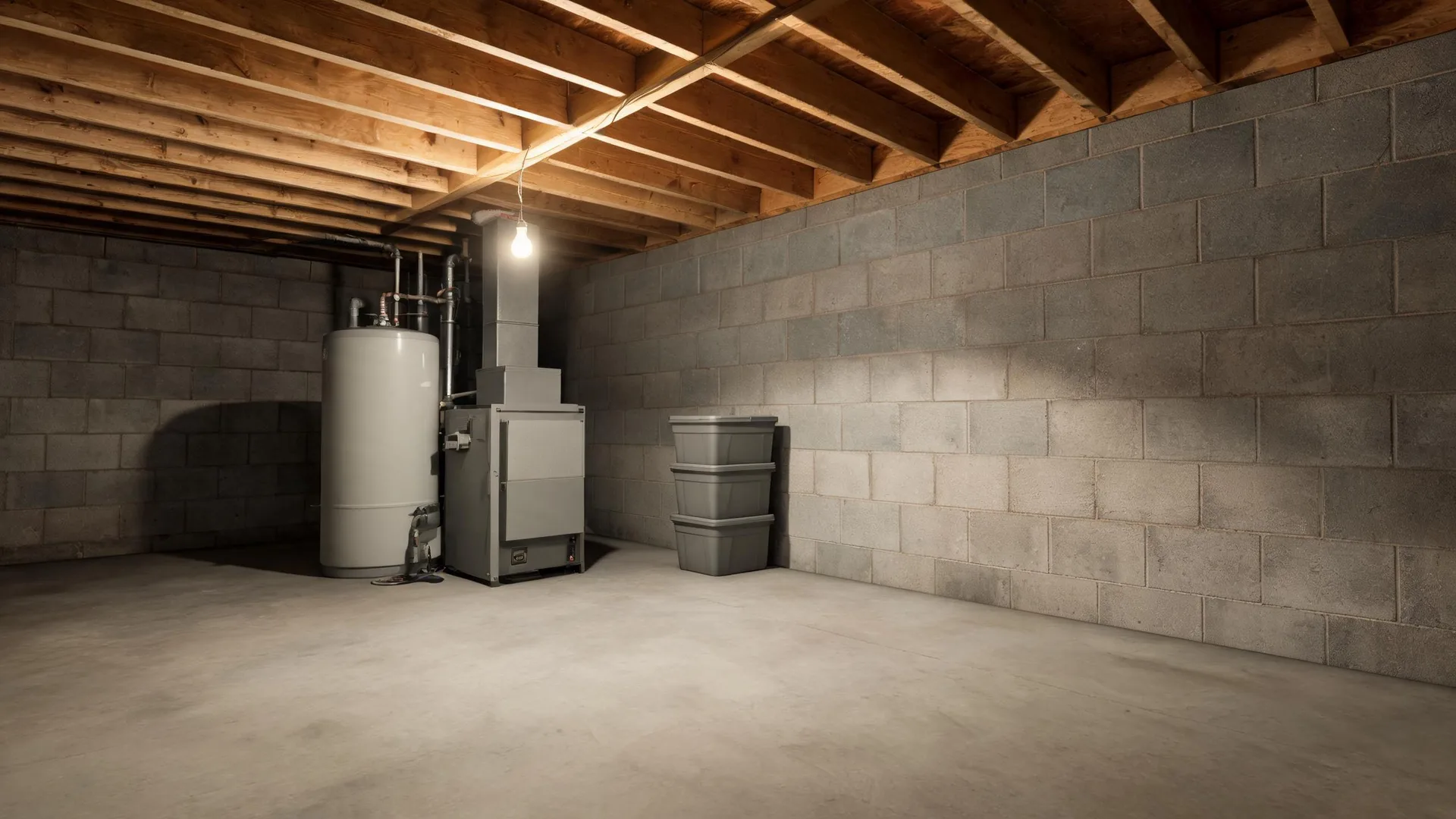
Ask what happens to the old venting

A more efficient furnace runs cooler exhaust, and that exhaust has to leave the house somewhere. Venting built for an older, hotter-burning furnace isn't automatically right for the replacement. Ask whether the new unit needs its own vent pipe or can share what's already there, because getting that wrong shows up as a problem after the furnace is already in.

A furnace that's too big for the house doesn't heat it better. It shuts off almost as soon as it starts, before the heat it made gets pulled through every room, so the air near the thermostat warms up fast while rooms farther off stay cold. That short cycle also means the blower never settles into a steady airflow, and the metal inside the furnace heats and cools more times than it needs to. A furnace that's too small runs the opposite way: it keeps burning through the coldest stretch and still can't catch up. Getting the size right starts with a load calculation, a room by room look at the house itself, how much wall and window area it has, how it's insulated, how air moves through it, not just the square footage. That calculation is what tells an installer what the old furnace's rating never could, because the old one may have been oversized from the day it went in.

Installation day starts before anyone touches the old furnace. The oil supply line gets shut off and the existing unit gets disconnected, drained if it's been running on a wet-base system, and pulled out. Whoever's doing the work should check the chimney or vent connector at this point too, since a new furnace often needs different venting than what the old one used. Setting the new furnace means leveling it, connecting the supply and return ductwork, running the oil line to the burner, and wiring it to the thermostat and power. Once it's in place, the technician fires it and checks the burner flame, sets the draft, and tests the limit switch and safety controls before closing anything up. The last part is balancing airflow through the ducts so heat actually reaches every room instead of just the one nearest the furnace. None of this is quick work, and a furnace that gets rushed through setup rarely runs the way its rating says it should.