A row of white Colonial-style houses with glowing windows photographed at dusk along a road bordered by a stone wall.

Furnace Installation in Albany, NY

Tell us about the job

Takes about a minute. No obligation.

New system or replacementFurnace or heatingAlbany County, NY
Step 1 of 2

What ZIP code is the job in?

Gas costs more to burn here

Natural gas in New York ran $16.03 per million Btu in 2024, well above what homes in many other states pay. A furnace in Albany burns that gas all winter, so a unit that wastes heat up the flue costs more here than it would somewhere cheaper.

The AFUE rating is worth reading

A furnace's AFUE rating tells you how much of the gas you buy actually turns into heat in the house, and how much goes out the flue unburned. At New York's gas price, a higher rating is worth more here than it would be in a state paying less per Btu.

8 months
October through May, your furnace is on duty
17°F
the average winter night it heats against
65%
of homes here heat with gas, so most furnaces here burn gas
80% AFUE
the federal minimum any new unit must meet
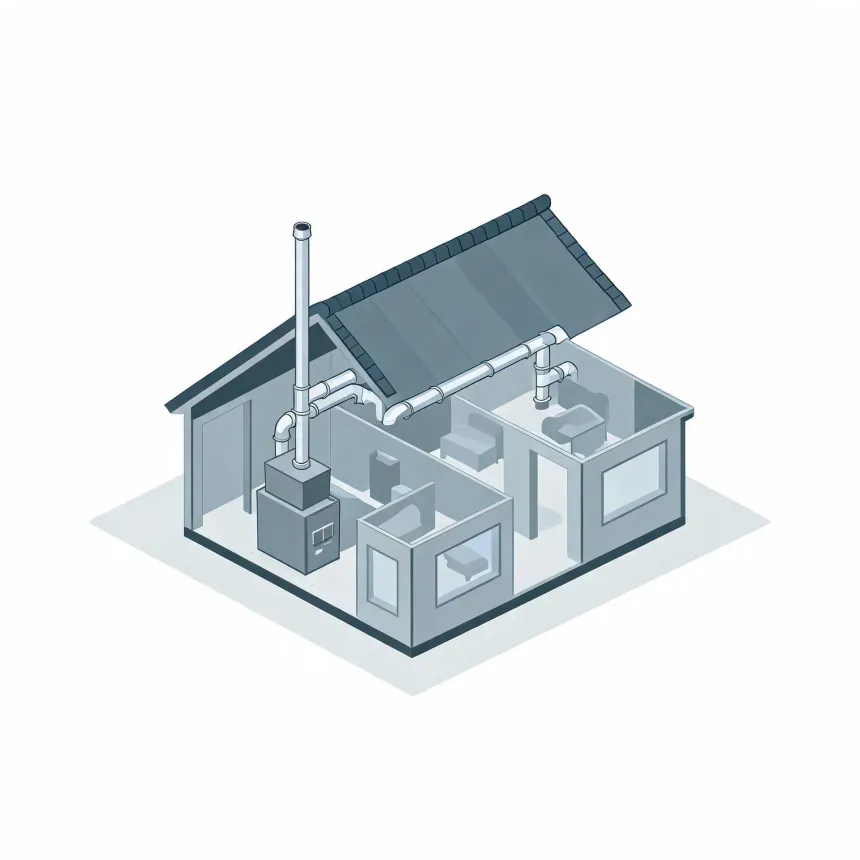
Isometric grayscale illustration of a cutaway house showing an interior furnace with a tall flue pipe and ductwork running to rooms under a partially lifted roof.
Your furnace works hardest from November through March.

NOAA nClimDiv, 1991–2020 normals

Gas heats 64.5% of occupied homes in Albany County.

When a furnace needs replacing here, another gas furnace is usually the straightforward choice.

Eight months of heat start in October. Get it installed before then.

Heat runs October through May
Winter nights average 17°F
46 winter storms from 2015 to 2024

Half the homes in Albany County went up in 1964 or earlier. If yours is one of them, the furnace going in now has to work with a house that wasn't built with modern heating in mind. Old ductwork can be the wrong size for a new high-efficiency unit, and additions or finished basements may have changed what each room actually needs. None of that shows up until someone sizes the job properly. A furnace picked by the size of the one it replaces, rather than by what your house needs now, is a common way to end up paying more to heat it than you should.

Efficiency pays here

Power costs more here, so an efficient system pays you back on every bill.

Find a contractor
A man in a dark cap, gray T-shirt and brown work pants walks up porch steps toward a dark front door, carrying a canvas tool bag filled with tools, with a potted shrub beside the entry.
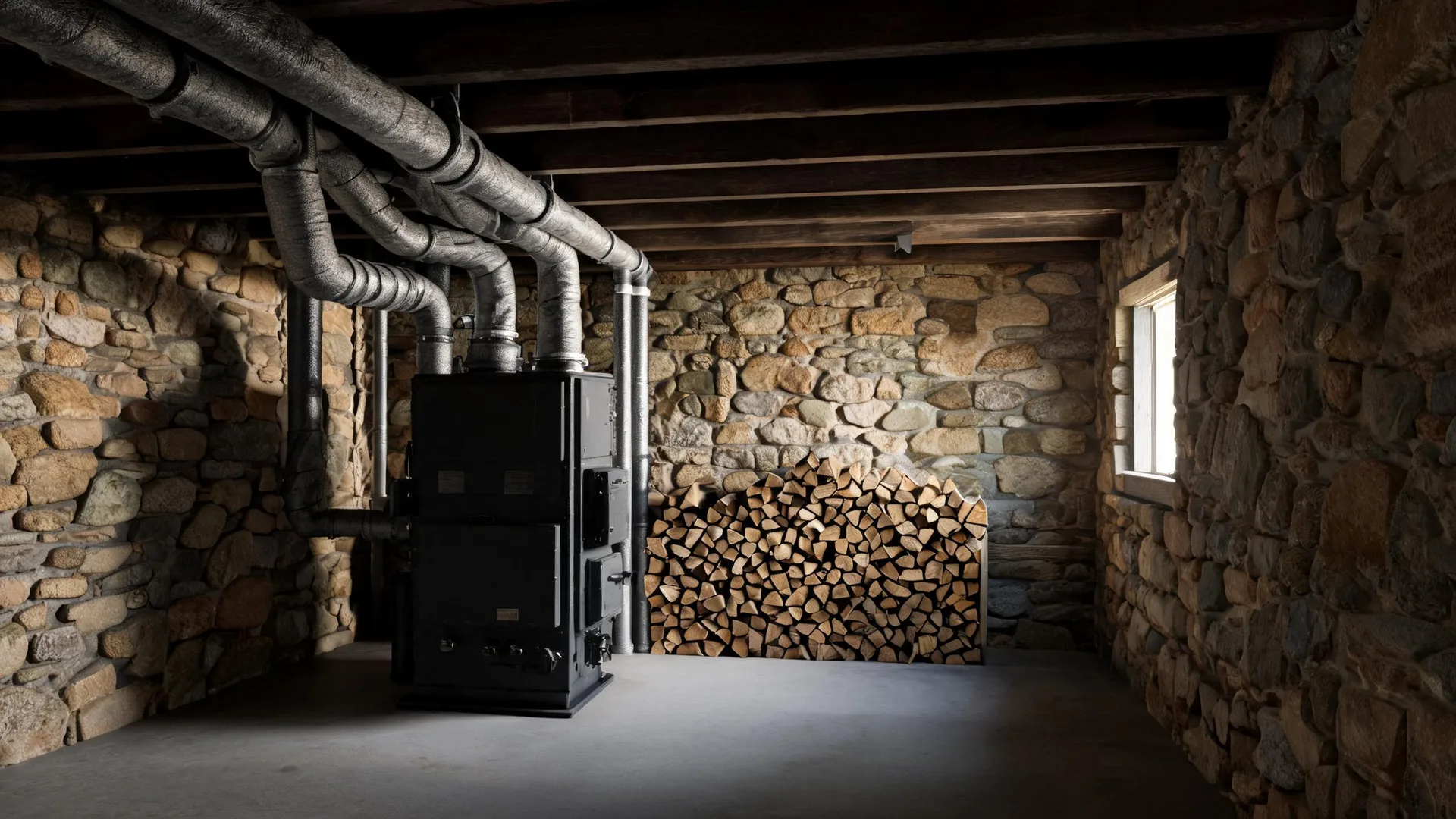
A gray residential gas furnace installed in an unfinished basement, connected to sheet-metal ductwork and PVC pipes.

This furnace earns its keep eight months a year

Furnaces here run about eight months a year, October through May. That's most of the year spent heating, not a few cold snaps. Overnight lows average 17°F across December, January and February, so the furnace is working against real cold most nights it runs. Winter storms, heavy snow, ice, blizzards, have hit Albany County 46 times in the past decade. A furnace sized right for the house handles that load without strain. One sized off the old unit, or picked without checking the house it's heating, ends up running longer and harder than it should, and that shows up in the parts first.

The number is a percentage, not a model name

AFUE tells you how much of each unit of gas becomes heat in the house versus how much goes out the flue. A high-efficiency furnace turns nearly all of it into heat. A lower-rated furnace loses more out the exhaust, burning the same gas to deliver less warmth into the rooms.

The rating also tells you what venting the job needs

A high-efficiency furnace condenses the exhaust and vents through plastic pipe out a wall or the roof. A lower-rated furnace vents hot through a metal flue, often tied into the chimney. Moving from one to the other can mean rerouting the venting, not just setting a new unit where the old one sat.

An unfinished basement featuring concrete block walls, exposed floor joists, and a metal forced-air furnace with ductwork near a central pillar.

A high-efficiency gas furnace would save about $150 a year to run in Albany County compared with a gas furnace.

  • A high-efficiency gas furnace$710 a year
  • A gas furnace$860 a year

Estimates for a typical Albany County home, from EIA household energy data, New York fuel prices and NOAA climate normals. Your home will differ.

The old furnace comes out first. That's when the installer can finally see the duct trunk, the gas line and the vent pipe clearly, not just guess from the outside. Setting the new unit in place doesn't take long. Connecting it does. The supply and return plenums have to match up to the new cabinet, and if the furnace burns more efficiently than the old one, the venting gets run new rather than reused. The gas line gets checked too, to make sure it can deliver enough fuel for what the new unit needs. Once everything's connected, the installer fires it up and checks the flame, the airflow at the registers and the draw at the flue before calling the job done.