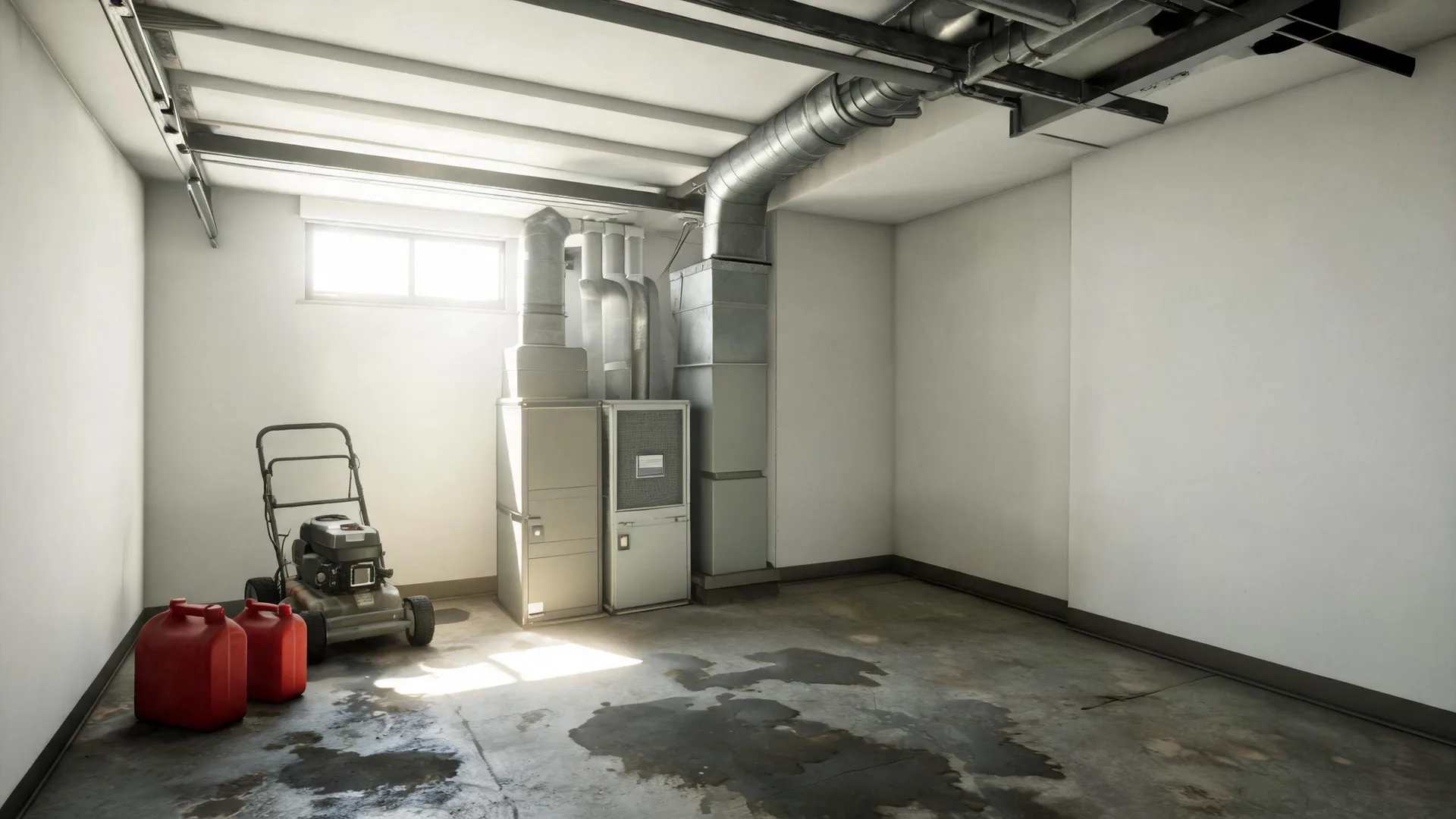
Oil runs expensive in New York
Fuel oil cost New York homes $23.11 per million Btu in 2024. If your furnace runs on oil, that price sets the floor for every winter bill no matter how new the equipment is.
Takes about a minute. No obligation.
Fuel oil cost New York homes $23.11 per million Btu in 2024. If your furnace runs on oil, that price sets the floor for every winter bill no matter how new the equipment is.
A furnace that wastes less fuel getting heat into the house needs less of that expensive oil to do the job. The AFUE rating on the unit you choose is worth comparing before you decide, not after.
NOAA nClimDiv, 1991–2020 normals
Half the homes in Dutchess County were built in 1971 or earlier.
A furnace going into a house that old has to match the ductwork and layout already there, not the other way around.



Furnace here runs from October through May, eight months of the year. Overnight lows average 20°F across December, January and February, and the system has to hold that line for weeks at a stretch, not just on the coldest night. Dutchess County has seen winter storms with heavy snow and ice almost every year over the past decade, and a furnace does its hardest work during exactly those stretches when the house needs it most. That kind of run time wears on an undersized unit fast. Sizing the new furnace to the house, not just to the specs on paper, is what decides whether it keeps up when the temperature drops and stays down.
Power costs more here, so an efficient system pays you back on every bill.
Find a contractor
October through May, that's eight months of heat every year. September is the month to get a new furnace in, not the first cold night in October. Once the house needs heat, a dead furnace is an emergency, and you take whatever scheduling and whatever unit is on hand. Replace it ahead of that and you get the size and the install done right, on a day that works for you.
An oversized furnace heats the house fast, then shuts off, then kicks on again a few minutes later. That short cycling keeps the heat exchanger from ever reaching a steady temperature, and it's the start and stop that wears out igniters and blower motors long before their time. A furnace sized right runs longer, steadier stretches and actually holds the house at temperature instead of chasing it.
A contractor works out the right size with a heat loss calculation, room by room, accounting for window area, wall and ceiling insulation, and how the ductwork is laid out. The nameplate rating on the old furnace isn't a safe stand in for that number, since the old unit may have been sized wrong from the start or sized for a house that's since been added onto or re-insulated.
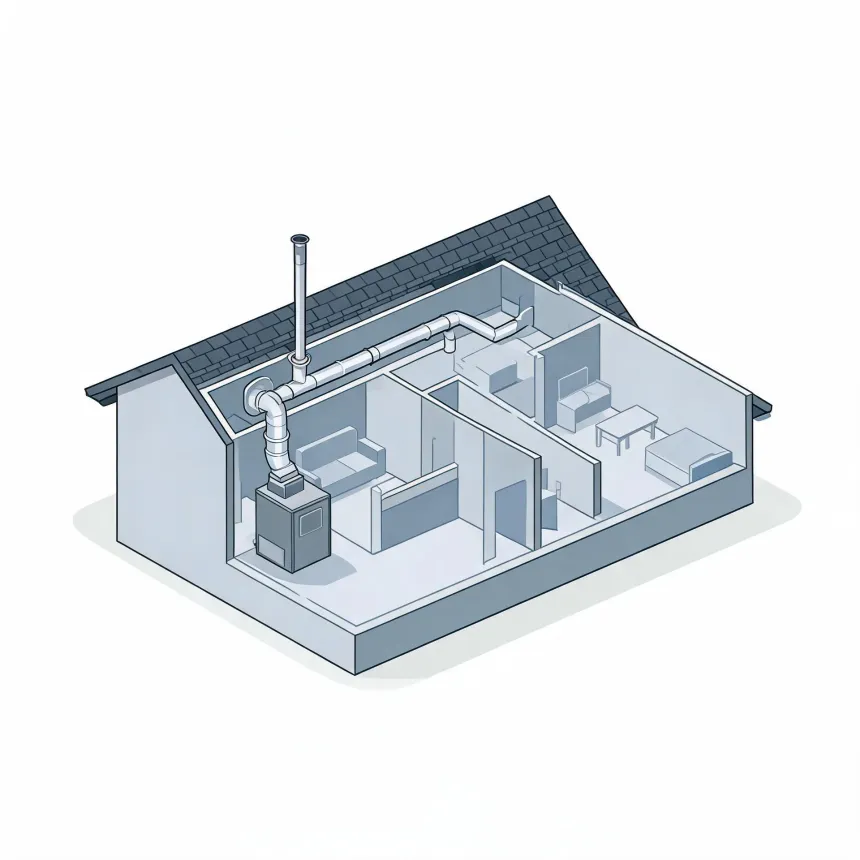
Taking out the old furnace is part of the job, not an extra step tacked on after. A gas furnace gets disconnected from the gas line and the vent, and that vent connection matters since a flue sized for one appliance doesn't always draw right once it's venting something else, or nothing at all. An oil furnace means dealing with the oil line and the old tank setup too, depending on what's feeding it. The ductwork usually stays and gets fitted to the new unit, since tearing out and replacing duct runs is a different job than swapping the furnace sitting at the end of them. Whoever hauls the old unit away should be handling the refrigerant or oil residue and the metal properly, not just setting it at the curb. None of that complicates the install, it's just part of doing it right.
Install day starts with the old furnace still running, so the first step is shutting off the gas or oil line and killing power before anything gets disconnected. The new furnace gets set in place and leveled, then the ductwork gets fitted to it, with new transitions wherever the old connections don't line up. Gas line, vent pipe and condensate line all get run fresh or reconnected, and the condensate line is new work entirely if the old furnace never made any. Once it's hooked up, the furnace doesn't just get switched on and left. A tech checks gas pressure, checks the temperature rise across the heat exchanger, and confirms the blower is moving the right amount of air for the ductwork it's tied to. A furnace moving too little air runs hotter than it should, and one moving too much never brings the house to temperature evenly. Those checks are what tell you the install was done right, not just that the furnace turns on.