



What the cold actually does here
Your winter low averages 11°F, and it runs nine months, September through May. That's the number that matters more than any other in this decision. A standard heat pump starts losing ground before it even gets to 11°F: below 40°F it puts out less heat than its rating, and below about 35°F it usually needs backup heat to make up the difference. Every one of your roughly 155 nights at or below freezing falls under both of those marks.
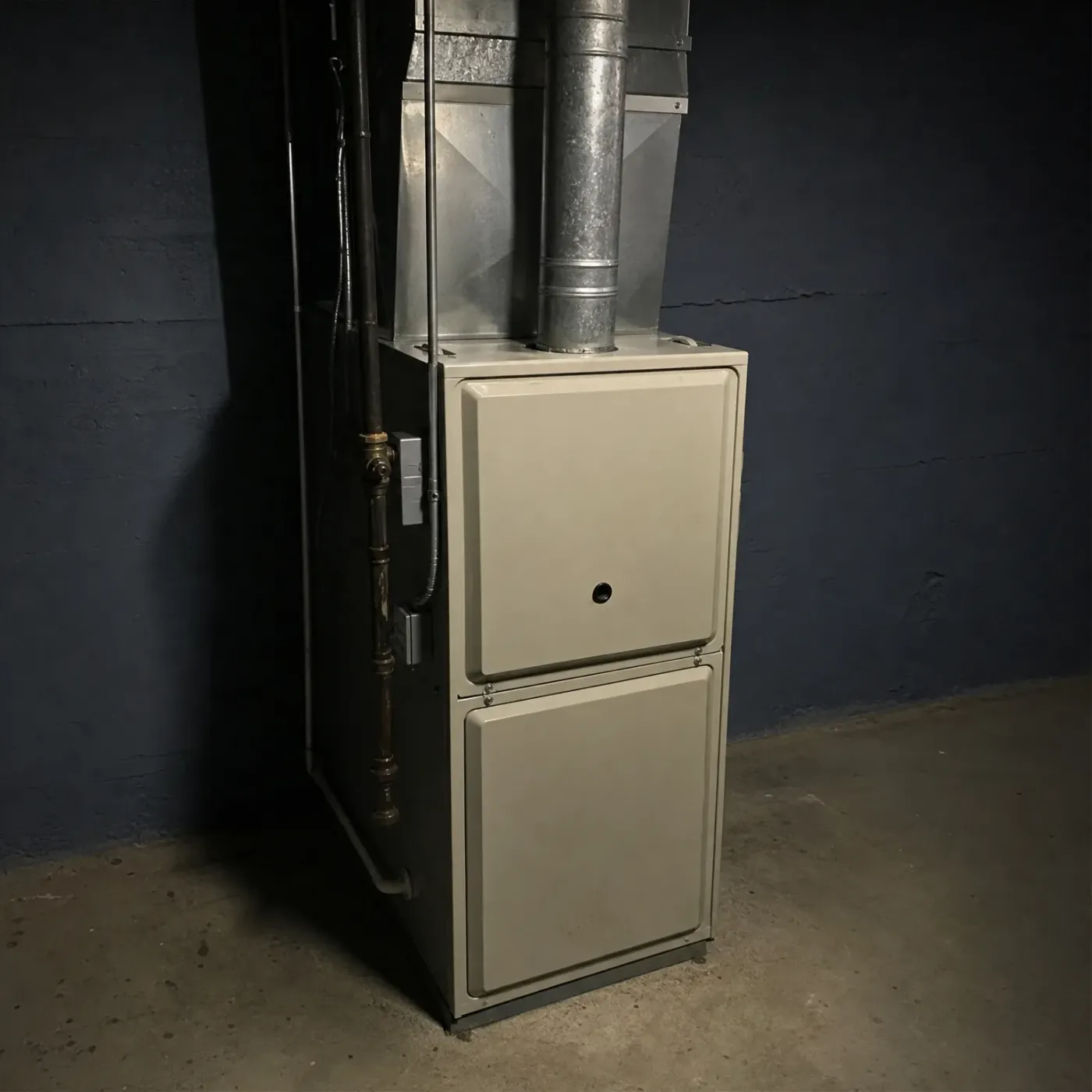
That doesn't mean a heat pump can't heat your house. It means it needs help doing it, on more than half the nights of a nine-month heating season. Fourteen nights a year drop to 0°F or below, and on those a standard heat pump is running on backup for most of its heat. A furnace, gas or oil, doesn't have a point where it starts to struggle. It makes the same heat at 11°F as it does at 40°F.
Cold climate heat pumps are built for exactly this. To carry the ENERGY STAR Cold Climate label, a heat pump has to keep making real heat at 5°F, at least 1.75 units of heat per unit of electricity, and hold onto 70 percent of its warm-weather capacity at that temperature. In field testing of that kind of equipment, backup heat only carried a small part of the load between 0°F and 35°F, and running on backup alone was rare even above 0°F. That is a different machine than the federal-minimum unit priced in the running-cost numbers above, and it is the one worth asking about if you are leaning toward a heat pump here.