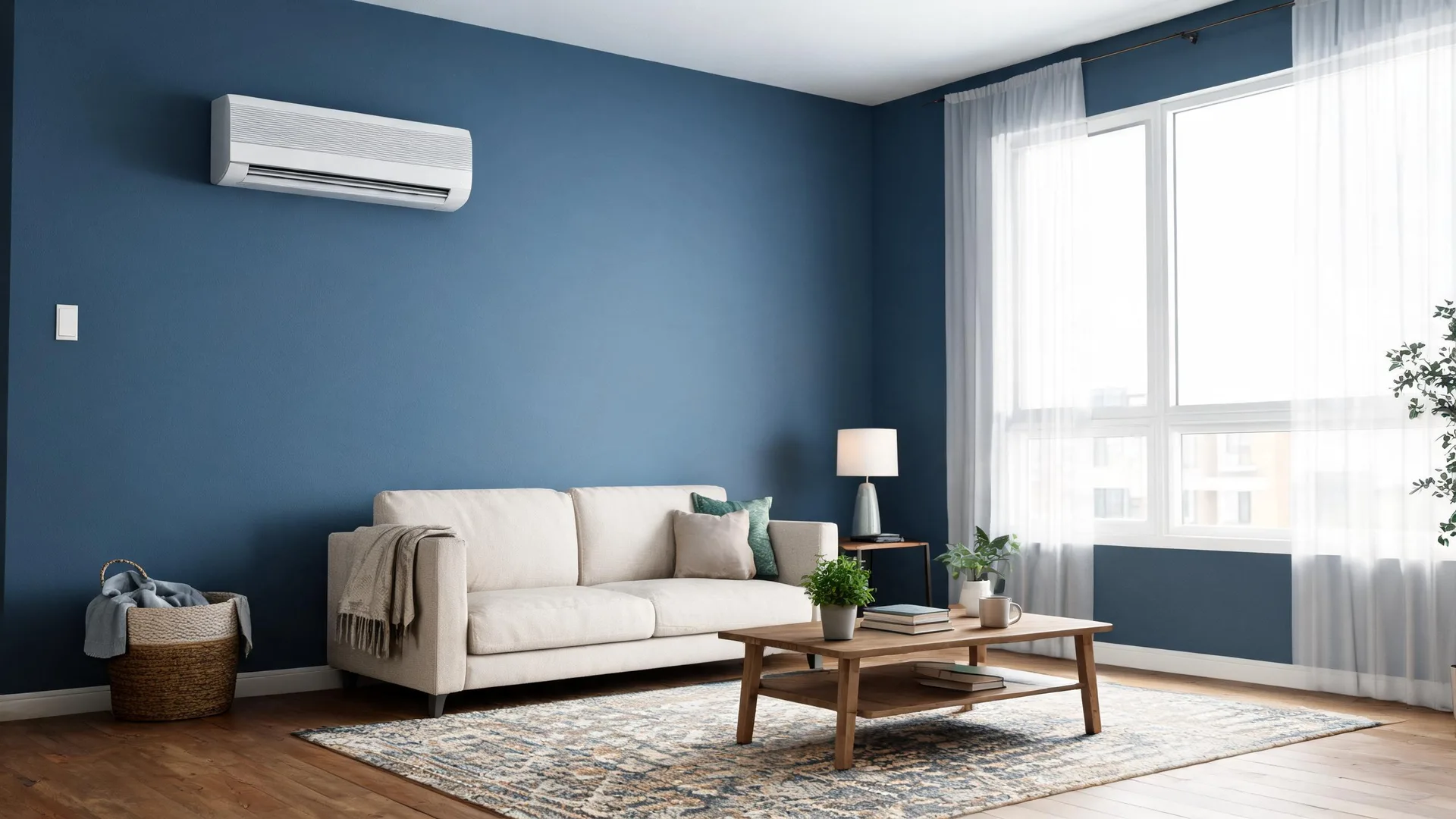
Oil heats most homes here
In Clinton County, 37.3% of occupied homes heat with fuel oil or kerosene, more than any other fuel. Electricity is next at 34.5%, with gas well behind that.
Takes about a minute. No obligation.
In Clinton County, 37.3% of occupied homes heat with fuel oil or kerosene, more than any other fuel. Electricity is next at 34.5%, with gas well behind that.
If your house runs on oil, a mini split gives you cooling you may not have now and a second way to heat rooms without touching the oil system. It works alongside what you already have instead of replacing it.
NOAA nClimDiv, 1991–2020 normals
A mini split in Plattsburgh only has to cool through July.
A system that light on duty does not need to be the top of the lineup to hold up.



Clinton County falls under climate zone 6A. Any split system heat pump sold here has to meet the federal minimum, 14.3 SEER2 for cooling and 7.5 HSPF2 for heating. That rule covers ductless mini splits too. The standard does not carve out a separate class for them. So the unit going in has to clear the same bar as any ducted heat pump, even though it will spend most of its year on heat and just the one month on cooling. A system built to that minimum is not a stripped-down option here. It is what the region requires.
Electricity here runs 24.43 cents per kilowatt-hour, higher than a lot of the country, so efficiency is worth paying attention to. The federal minimum already builds that in. There's no reason to pay more than this climate asks for.
Find a contractorHalf the homes in Clinton County were built in 1974 or earlier, half after. A mini split does not care which half yours falls into. The outdoor unit and the indoor head mount new regardless of the wall behind them. What decides the install is the size of the room and where the lines can run, not the age of the house around it.
If a window AC or electric baseboard is handling cooling or backup heat now, it can usually keep running until the mini split is in and tested. There's no stretch where the room goes without either one.
A window unit gets pulled and hauled off. Baseboard heaters can stay as backup or get disconnected and capped, depending on what the room needs once the mini split is doing the work. Either way it's a separate conversation from the install itself, not a step that holds it up.
When you're comparing systems, ask what the capacity is for both heating and cooling, not just one. A mini split sized to cool a room well can come up short keeping it warm, or the other way around, so get both numbers and compare them against the room itself. Ask how many indoor heads the outdoor unit can run and whether this is a single zone or multi zone setup. That matters if you're thinking about adding another room later, because not every outdoor unit has the capacity to take on a second head down the road. Ask what the warranty covers on the compressor versus the parts, and whether it holds if someone other than the installing contractor ever works on it. And ask about the line length, since how far the outdoor unit sits from the indoor head can affect how the system performs.
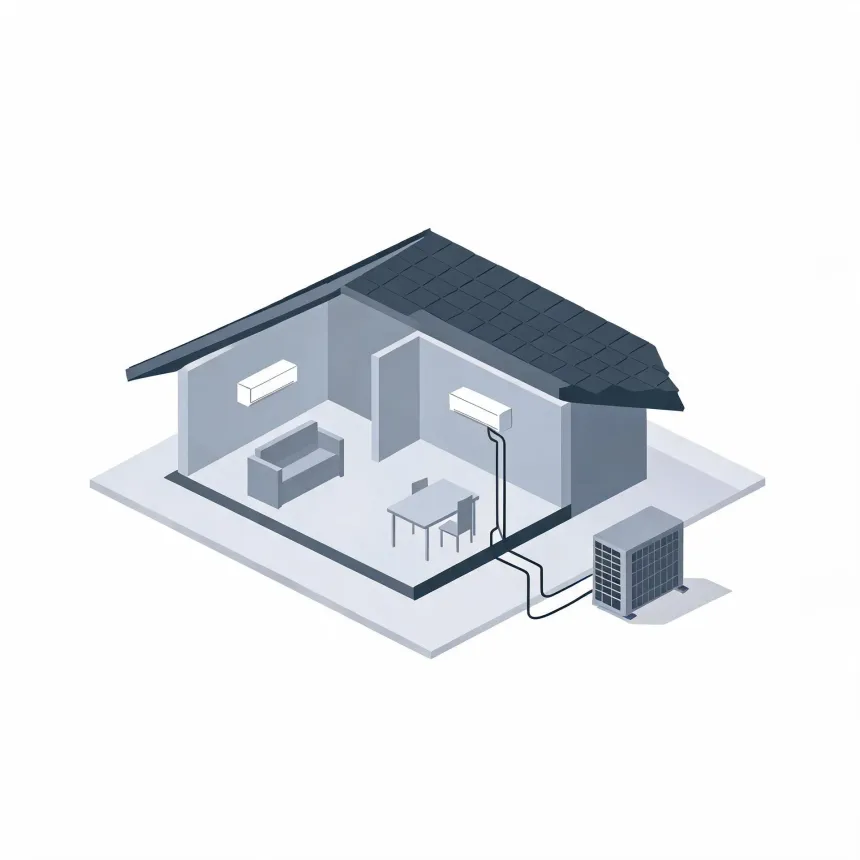
Installation starts outside, not in. The outdoor unit needs a spot with clear airflow on all sides and a solid pad to sit on, away from where snow slides off a roof or piles up from plowing. From there the installer runs a line set through a hole drilled in the wall, usually behind where the indoor head will hang, carrying refrigerant lines, a drain line and electrical in one bundle wrapped together. That hole gets sealed once the lines are through, so cold air and pests stay out. The indoor head mounts on a bracket set into the studs, leveled before anything connects. Once both ends are in place, the lines get connected, the system is evacuated to pull out air and moisture, then charged with refrigerant and tested for pressure. The last step is running it in both modes to check that it actually heats and cools before anyone calls the job done.