Gas heats most of Newark
Utility gas heats 53.6% of occupied homes in Wayne County. Most of the furnaces behind those walls are gas furnaces, ducted to move warm air through the house.

Takes about a minute. No obligation.
Utility gas heats 53.6% of occupied homes in Wayne County. Most of the furnaces behind those walls are gas furnaces, ducted to move warm air through the house.
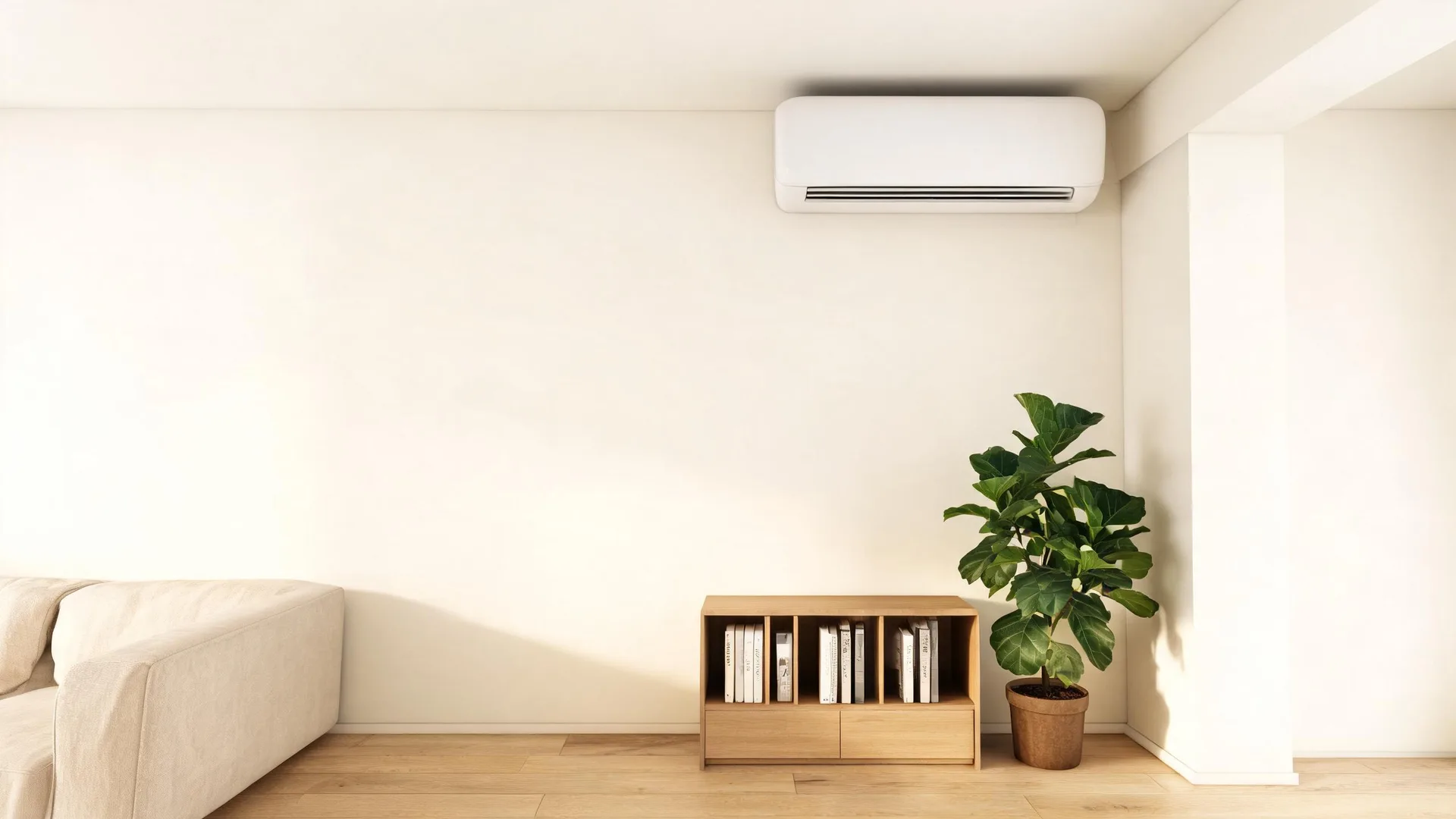
A mini split doesn't replace ductwork, it adds a zone that gas heat and central air don't reach well, a bonus room, a garage, an addition. It runs on electricity, so it's a second system working with what's already there, not instead of it.
NOAA nClimDiv, 1991–2020 normals
Cooling in Newark runs July through August.
June is the month to get a mini split installed, before the first hot stretch hits.



Half the homes in Wayne County were built in 1968 or earlier. A house that age wasn't built with a mini split in mind, and whoever installs yours has to work with what's actually there, the wall it mounts on, the path the line set has to take to get outside, where the condenser can sit. None of that is a problem for a mini split specifically. It's a smaller, simpler install than running new ductwork would be. But it does mean the job starts with a look at your walls and your electrical panel, not a catalog page.
Two months of real cooling load, afternoon highs around 79, is not much to ask of a system. A standard mini split handles that without strain, so there's no reason to size up or chase the highest efficiency rating for a room like this.
Find a contractorThe unit on the wall is the easy part. What decides how this goes is the wall itself, and the panel. If your house still has its original electrical service, have the installer check it can take another circuit before anything gets mounted. That one check tells you more about the job ahead than the brand of the unit will.
If this install is replacing an older mini split or window unit, ask whether the new one draws more power or needs a different breaker. Manufacturers change amp draw between models even when the unit looks the same size on paper. An installer should check this before quoting, not after running the line.
The compressor outside and the parts inside usually carry a manufacturer warranty, but the labor to replace them under that warranty is a separate thing, covered by whoever installed it, for a separate length of time. Get both periods in writing. A long parts warranty does not help much if the labor coverage runs out first.
Sizing a mini split isn't guesswork, and it isn't just matching the room's square footage to a number on a brochure either. The installer works out how much heat that room gains in summer and loses in winter, factoring in things like how many windows it has, which way it faces, and what's on the other side of its walls. Too big and the unit cools the room fast, shuts off, and leaves the air damp and clammy because it never ran long enough to pull moisture out. Too small and it runs constantly without ever catching up on the hottest days. The right size runs long, steady cycles, holding the room at temperature instead of racing to it and quitting. That balance matters more than any spec on the unit itself.
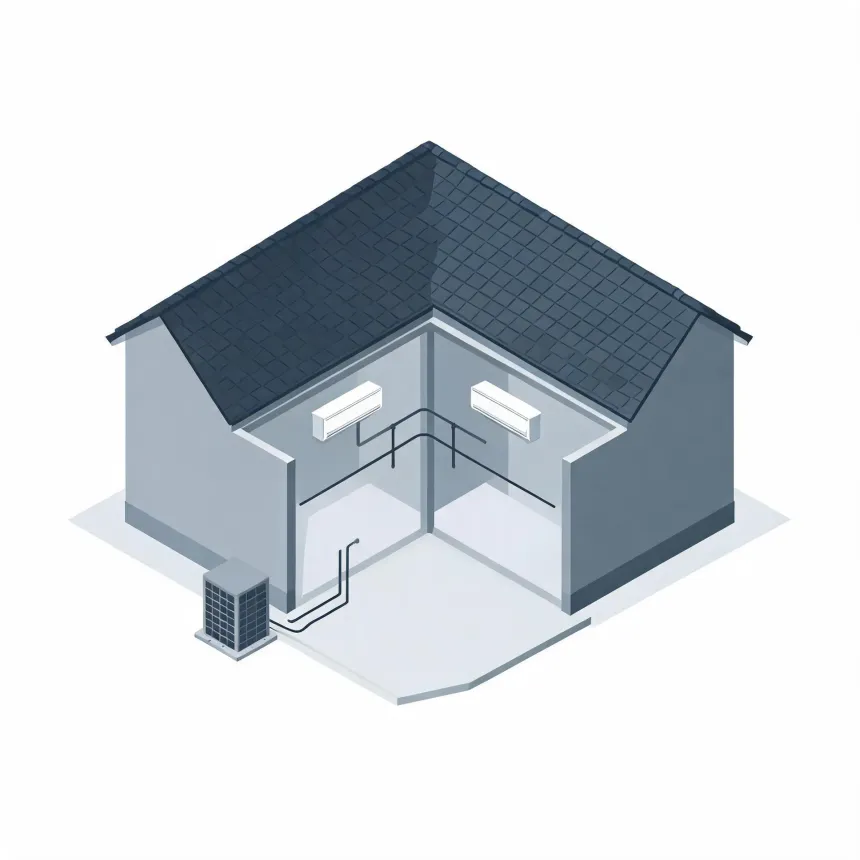
Installation day itself is shorter than most homeowners expect, because the planning happened before anyone showed up with a unit. The indoor head goes on an interior wall, usually high up, with a small hole drilled through to the outside for the line set. That line set carries refrigerant lines, a drain line, and electrical wiring, all bundled together and run through that one hole to the condenser outside. The condenser gets set on a pad or mounted on brackets, close enough to the house that the line set can reach it without excess length. Once everything is connected, the installer pulls a vacuum on the line set to clear out air and moisture before refrigerant ever flows through it. Skip that step, and moisture left inside the lines can cause problems well after the crew has packed up and gone.